Methodology
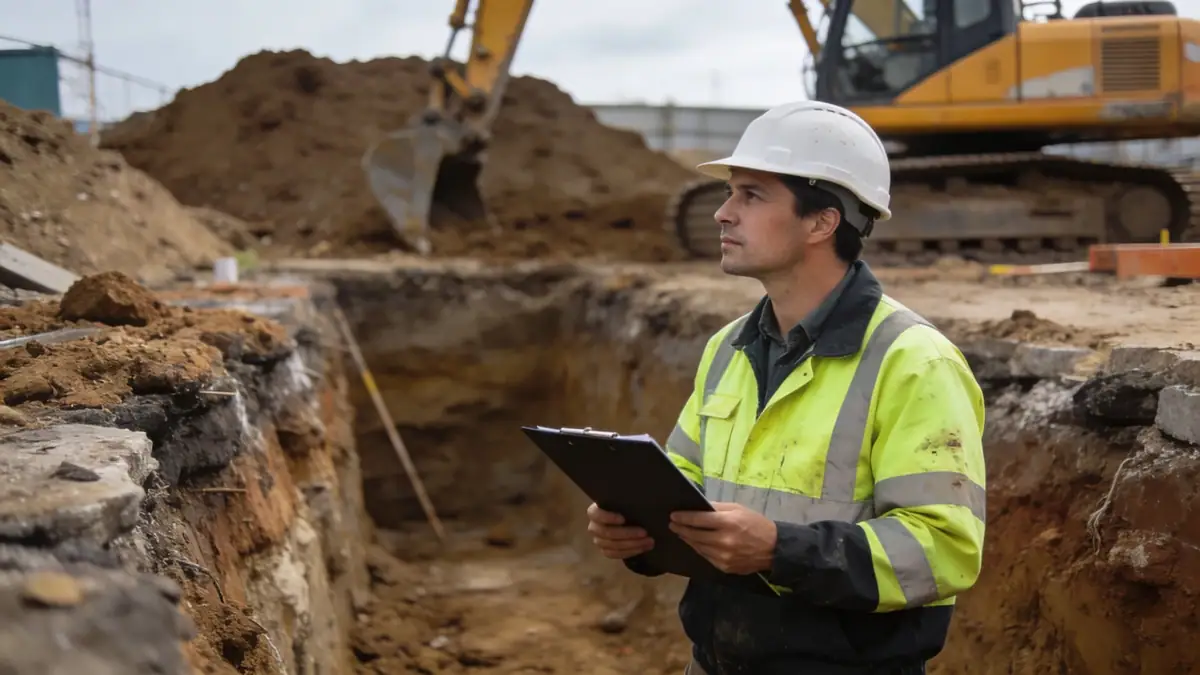
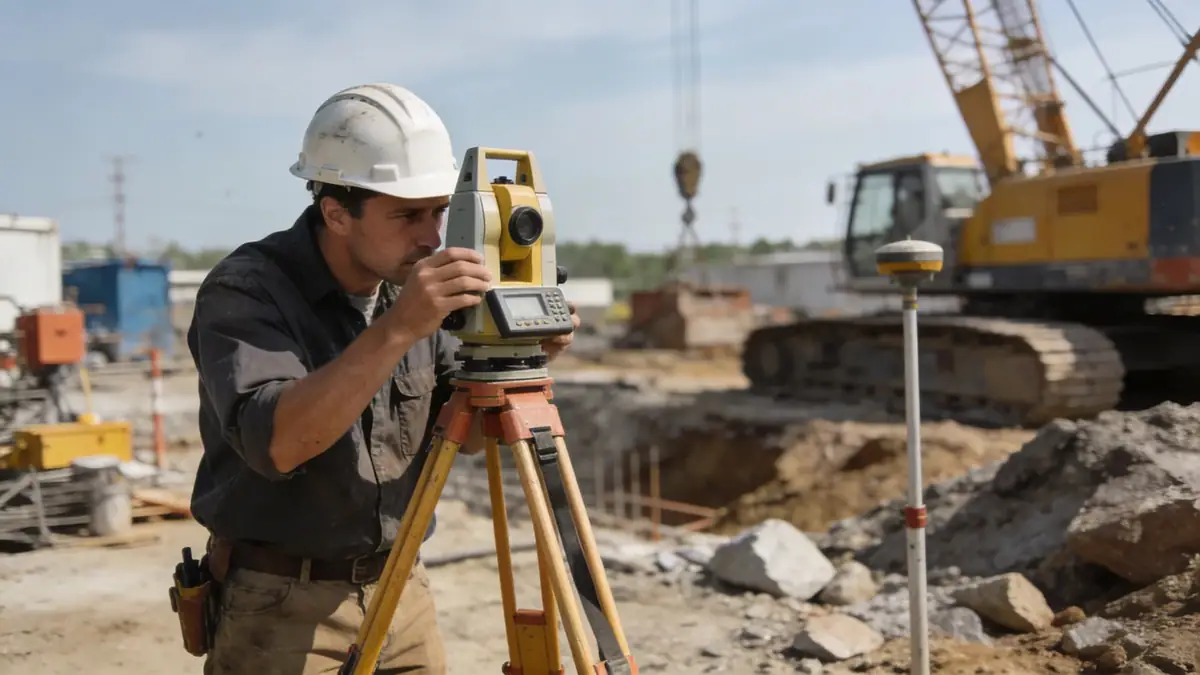
Our methodology in Santa Ana follows rigorous ASTM standards, including ASTM D1586 for Standard Penetration Tests. We conduct field investigations to characterize soil stratigraphy and groundwater conditions. In the laboratory, we perform index tests, strength tests, and consolidation tests to derive design parameters. Our approach integrates local seismic hazard data to evaluate liquefaction and settlement potential. For a deeper understanding of our capabilities, visit our soil mechanics laboratory page.
Reference Technical Parameters
| Parameter | Reference Value |
|---|---|
| Predominant soil type | Alluvial sand, silt, clay with interbeds |
| Maximum seismic acceleration (PGA) | 0.4g (ASCE 7-16 Seismic Design Category D) |
| Typical groundwater level | 3–6 meters below grade |
| Bedrock depth | Variable, generally > 30 meters |
| Typical N60 range (0–15 m) | 5–30 blows per foot |
Local Considerations — Santa Ana
Santa Ana lies within the Peninsular Ranges geomorphic province, characterized by alluvial fans and floodplain deposits. The soil profile typically consists of interbedded sands, silts, and clays, often with high plasticity near the surface. Groundwater is shallow in many areas, ranging from 3 to 6 meters deep, requiring dewatering considerations for excavations. Seismic hazard is significant due to nearby fault systems; ASCE 7-16 maps indicate PGA up to 0.4g. Our team has extensive experience in this setting, having completed numerous projects for residential subdivisions and commercial centers. For more on our local work, see our proctor & cbr testing page.
Request a Quote
Our team reviews your project and issues an initial report at no cost.
Or write us directly at [email protected]
Services in Santa Ana
Applicable Standards
- ASTM D1586 (Standard Penetration Test)
- ASTM D2487 (Unified Soil Classification)
- ASCE 7-16 (Minimum Design Loads for Buildings)
- California Building Code (CBC 2022)
- Santa Ana Municipal Code (Title 7 – Building Regulations)
Frequently Asked Questions
What are the typical soil conditions in Santa Ana?
Santa Ana soils are predominantly alluvial, with interbedded sands, silts, and clays. Groundwater is often shallow (3–6 m), and the area is seismically active with PGA up to 0.4g. Proper soil mechanics testing is essential for foundation design.
Is geotechnical investigation mandatory for construction in Santa Ana?
Yes, the Santa Ana Municipal Code and California Building Code require a geotechnical report for most new buildings and additions. Seismic hazard analysis is also required due to the region's fault proximity.
Which seismic code governs soil mechanics studies in Santa Ana?
ASCE 7-16 is the primary standard for seismic design, with seismic design category D. The California Building Code adopts this with amendments. Our laboratory tests provide parameters for site-specific response analysis.