Methodology
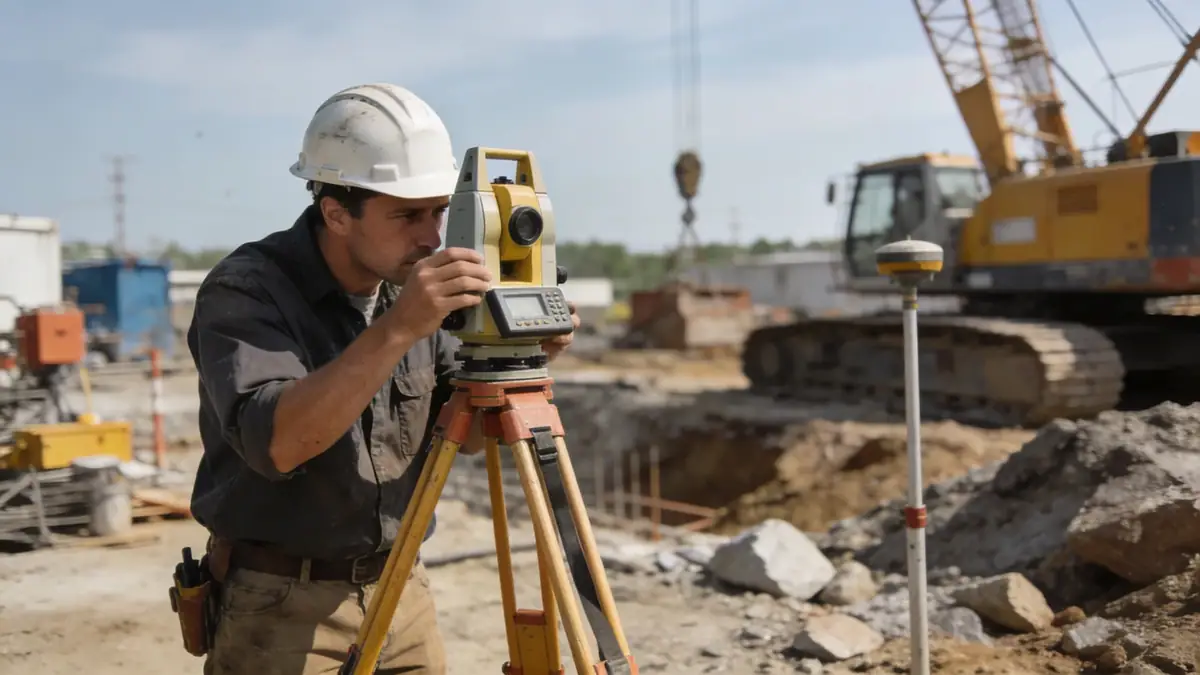
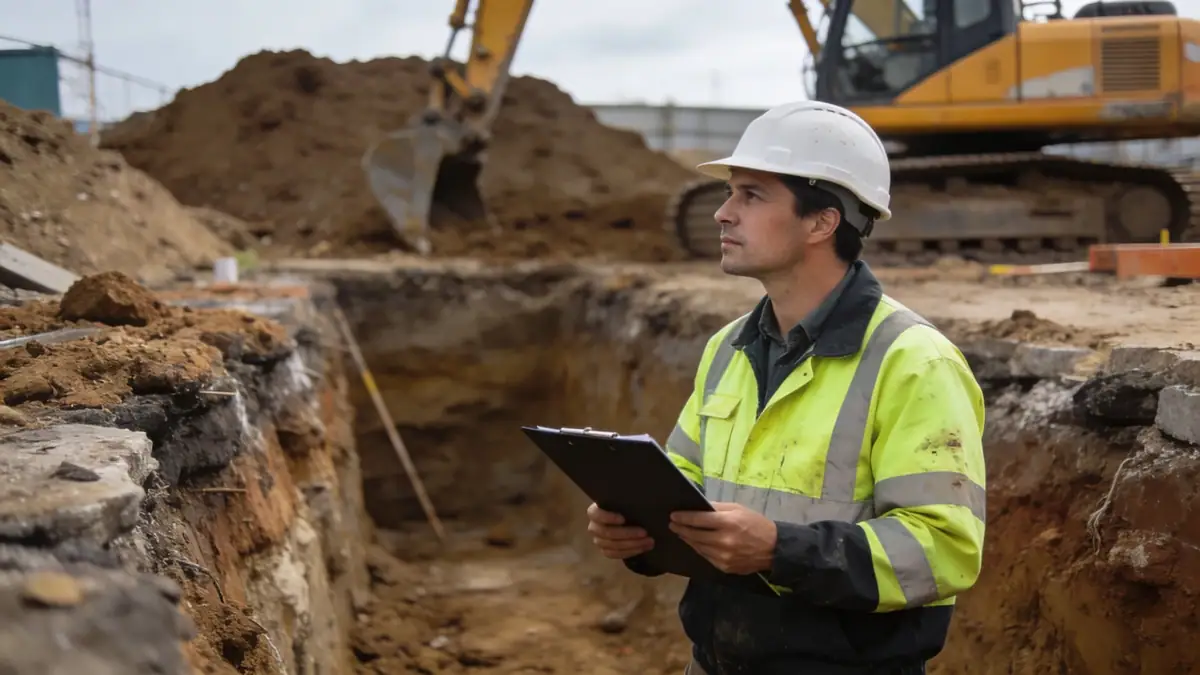
Our methodology for soil mechanics laboratory services in San Jose follows established standards, including ASTM D1586 for Standard Penetration Tests. We perform continuous sampling at 1.5-meter intervals to characterize subsurface conditions. Sample retrieval and handling adhere to strict protocols to maintain in-situ moisture and density. Laboratory testing, such as our soil mechanics laboratory procedures, includes classification, compaction, and strength tests. All results are cross-referenced with local geotechnical databases to ensure accuracy for San Jose's specific soil stratigraphy.
Reference Technical Parameters
| Parameter | Reference Value |
|---|---|
| Predominant soil type | Silty clay and sandy gravel (alluvial deposits) |
| Maximum seismic acceleration (PGA) | 0.4g (ASCE 7-16, Site Class D) |
| Typical groundwater level | 3–10 m below surface |
| Bedrock depth | 10–30 m (variable) |
| Typical N60 range | 5–30 blows/ft |
Local Considerations — San Jose
San Jose's geology is dominated by alluvial fans and floodplain deposits from Coyote Creek and Guadalupe River. 1. Soil conditions vary laterally, requiring multiple borings. 2. High seismic risk (0.4g PGA) demands liquefaction assessment per ASCE 7. 3. Groundwater is shallow near creeks, complicating excavations. 4. Older downtown fills pose settlement risks. 5. Hillside areas have colluvial soils requiring slope stability analysis. For regional expertise, see our soil mechanics laboratory en Los Angeles. We also offer granulometry & atterberg testing for soil classification.
Request a Quote
Our team reviews your project and issues an initial report at no cost.
Or write us directly at [email protected]
Services in San Jose
Applicable Standards
- ASTM D1586 (Standard Penetration Test)
- ASCE 7-16 (Minimum Design Loads for Buildings)
- California Building Code (CBC) 2022
- ASTM D2487 (Unified Soil Classification System)
Frequently Asked Questions
What are the typical soil types encountered in San Jose?
San Jose's soils are primarily quaternary alluvium, including silty clays, sandy gravels, and occasional clayey sands. Near the bay, soft bay mud deposits may be present. These variations necessitate site-specific investigations for foundation design.
How does seismic activity in San Jose affect soil testing requirements?
San Jose lies in a high seismic zone with PGA up to 0.4g. Soil mechanics laboratory tests must evaluate liquefaction potential, site class, and dynamic properties. Standards like ASTM D1586 and ASCE 7 guide sampling and analysis for earthquake-resistant design.
Are soil mechanics laboratory studies mandatory for construction in San Jose?
Yes, the California Building Code requires geotechnical investigations for most structures. A soil mechanics laboratory report is typically needed for permits, especially for seismic design. Local jurisdictions may have additional requirements for hillside or floodplain areas.