Methodology
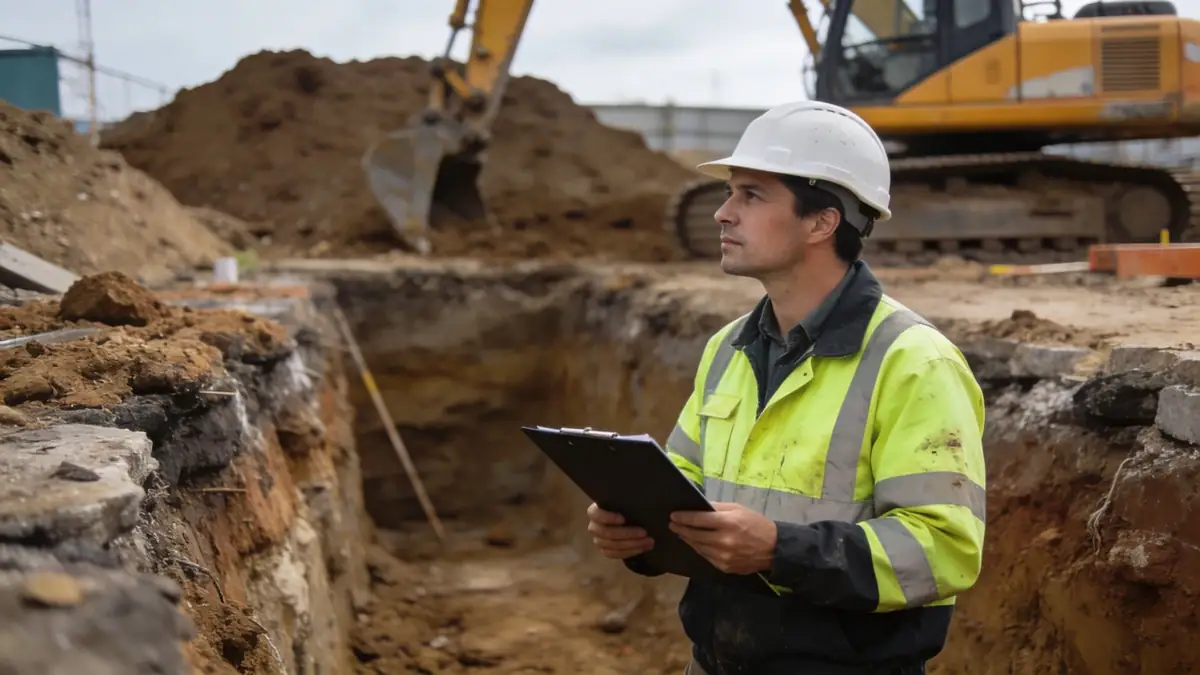
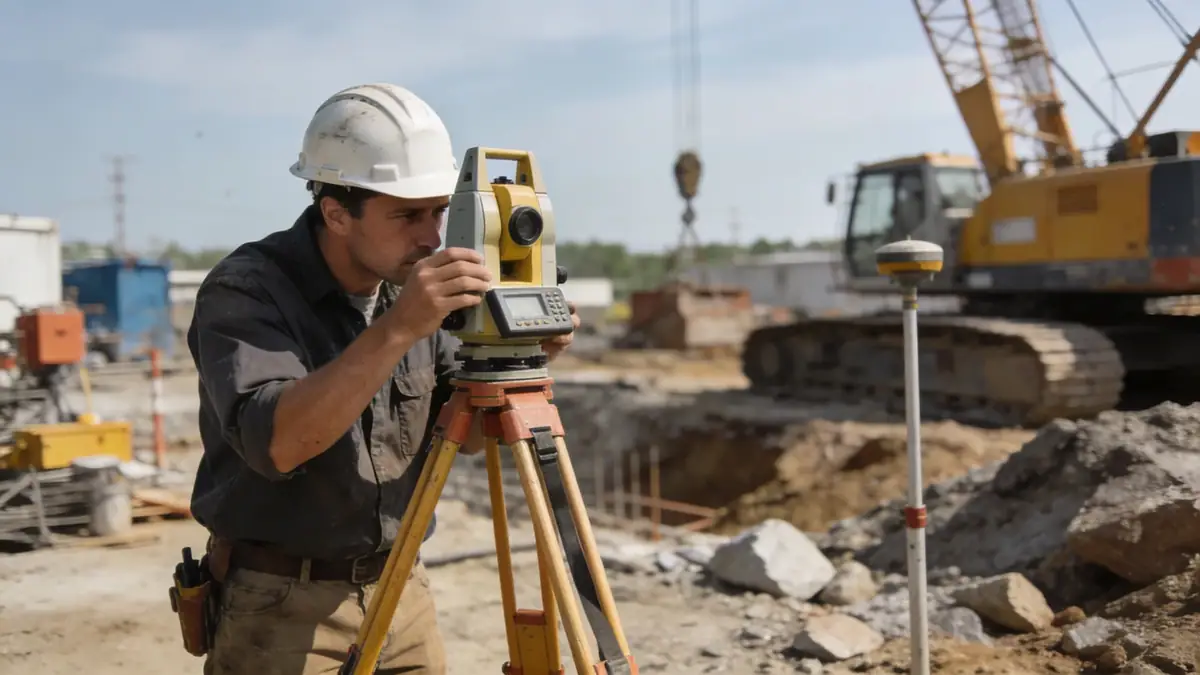
Our methodology in San Francisco adheres strictly to ASTM D1586 for Standard Penetration Tests, ensuring consistent and reliable subsurface characterization. We employ a phased approach: initial desktop study of geological maps and seismic hazard data, followed by field exploration including SPT borings and Cone Penetration Tests. Laboratory analyses such as soil mechanics laboratory procedures quantify index properties, strength, and consolidation parameters. Our team integrates these results with site-specific seismic hazard analyses to evaluate liquefaction and slope stability, aligning with local building codes. This systematic approach provides clients with actionable geotechnical recommendations for safe and economical foundation design.
Reference Technical Parameters
| Parameter | Reference Value |
|---|---|
| Predominant soil type | Marine sands and clay (Colma Formation) |
| Maximum seismic acceleration (PGA) | 0.6g (MCEr for Seismic Design Category D) |
| Typical groundwater level | 5-15 ft below ground surface |
| Bedrock depth | 50-200 ft (Franciscan Complex) |
| Typical N60 range | 10-30 blows/ft (sands, variable) |
Local Considerations — San Francisco
San Francisco's geology is dominated by the Franciscan Complex, with shallow bedrock in the hills and deep marine deposits in the eastern fill areas. Liquefaction hazard is significant in the Marina and Mission districts, where loose sands and high groundwater prevail. Our firm evaluates these risks through advanced cyclic testing and compliance with ASCE 7. For projects near the bay, we assess settlement and lateral spreading. Additionally, we provide recommendations for deep foundations in areas underlain by Colma sand. For a broader perspective, our team also offers soil mechanics laboratory en Los Angeles services, ensuring consistency across California's challenging environments.
Request a Quote
Our team reviews your project and issues an initial report at no cost.
Or write us directly at [email protected]
Services in San Francisco
Applicable Standards
- ASTM D1586
- ASCE 7
- California Building Code (CBC)
- San Francisco Building Code (SFBC)
Frequently Asked Questions
What are the typical soil types encountered in San Francisco?
San Francisco's soils vary from dense sands and clays in the hills to loose, liquefiable sands and soft bay mud in filled areas. The Franciscan Complex bedrock underlies much of the city, often at shallow depths in the west and deeper in the east.
Why is seismic hazard analysis critical for San Francisco geotechnical projects?
San Francisco is in a high-seismicity zone with major faults (San Andreas, Hayward). ASCE 7 requires site-specific ground motion and liquefaction assessments to ensure structures can withstand design-level earthquakes, reducing risk of failure.
Are geotechnical studies mandatory for construction in San Francisco?
Yes, most construction requires a geotechnical report per the San Francisco Building Code. The Department of Building Inspection mandates soil investigations to verify foundation safety, especially in areas with known liquefaction or landslide hazards.