Methodology
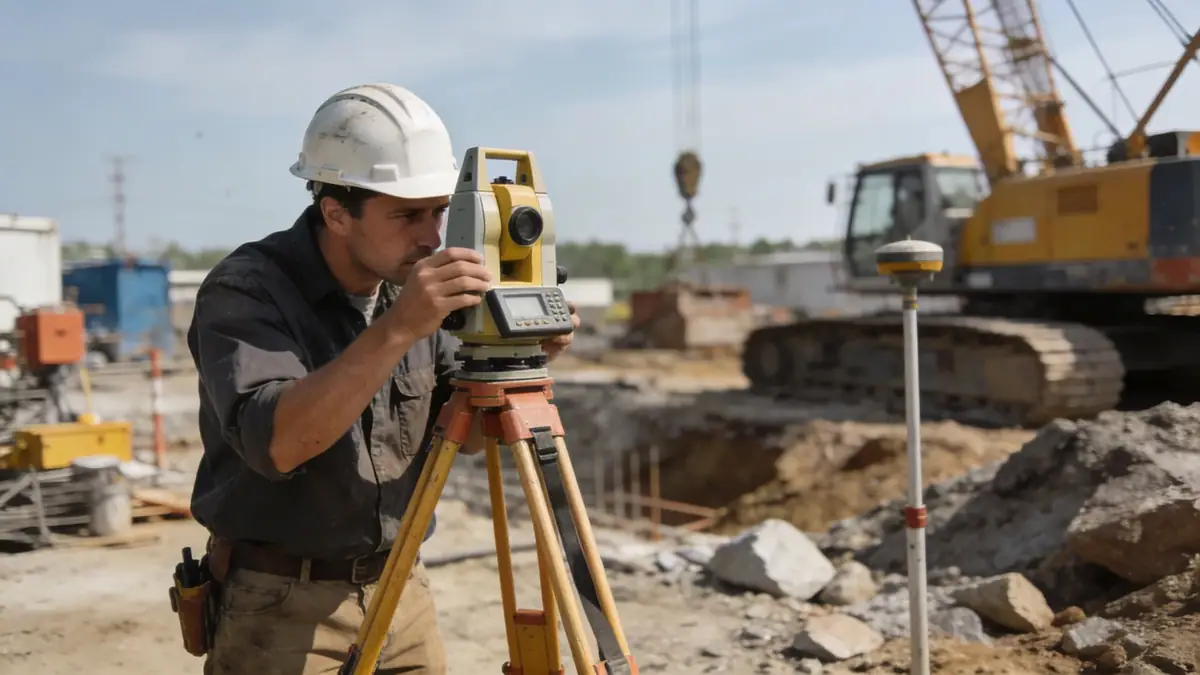
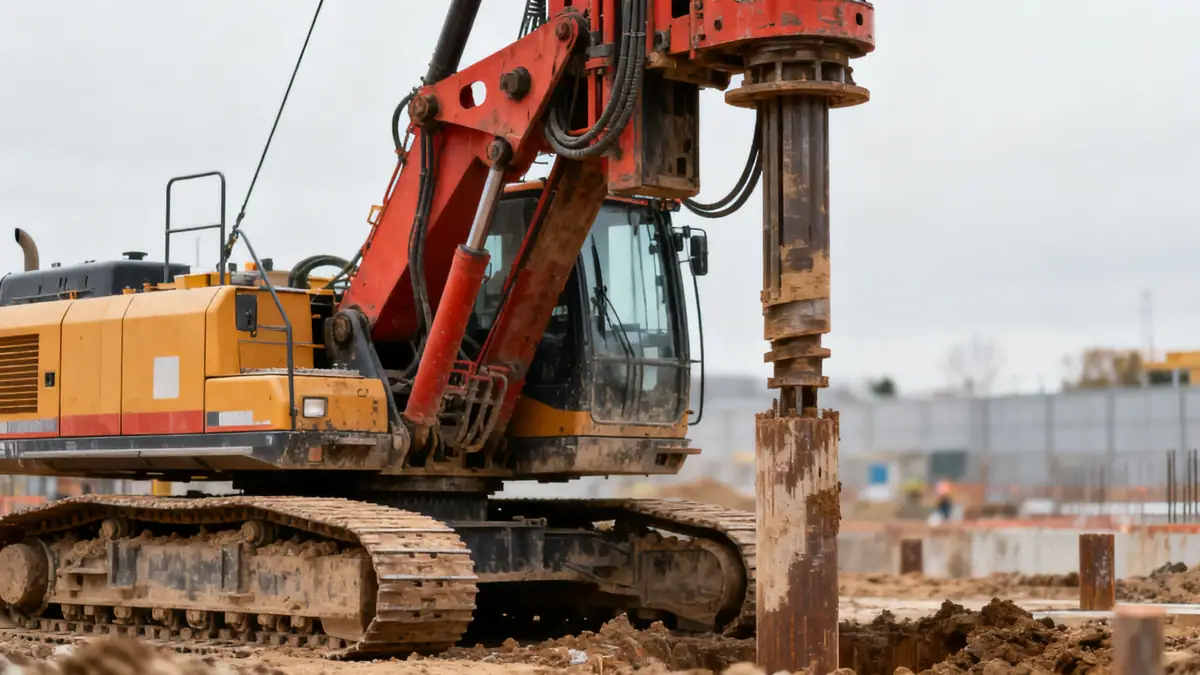
Our methodology for soil mechanics laboratory investigations in San Diego follows rigorous standards to capture the region's subsurface variability. We conduct standard penetration tests (SPT) per ASTM D1586 at 1.0–1.5 m intervals, reaching depths of 8–15 m for residential projects and up to 30 m for industrial sites. Continuous Cone Penetration Testing (CPT) provides detailed stratigraphic profiles at 1–2 cm intervals. In areas with shallow groundwater, test pits are excavated to 1.5–3 m depth. All samples are processed at our accredited laboratory, where we perform grain size analysis (ASTM D6913, D7928), Atterberg limits, and compaction tests (ASTM D698/D1557). Our integrated approach ensures that each project benefits from a comprehensive understanding of soil behavior under San Diego's specific conditions. For more on our core capabilities, visit our soil mechanics laboratory page.
Reference Technical Parameters
| Parameter | Reference Value |
|---|---|
| Predominant soil type | Alluvial sands and silty clays, with cobble deposits near river channels |
| Maximum seismic acceleration (PGA) | 0.4g–0.6g (Seismic Design Category D/E per ASCE 7) |
| Typical groundwater level | 1.5–6.0 m below ground surface, variable seasonally |
| Bedrock depth | 10–30 m in coastal areas; shallower (3–8 m) in eastern foothills |
| Typical N60 range | 5–30 blows/ft for sands; 2–15 blows/ft for cohesive soils |
Local Considerations — San Diego
San Diego's geology is dominated by Quaternary alluvial deposits, marine terraces, and Cretaceous sedimentary rocks. The coastal plain features loose sands and soft clays with high groundwater levels, often requiring dewatering for excavations. Inland areas exhibit more competent soils but with variable colluvium on hillsides. Seismic considerations are critical, as the region lies near the Rose Canyon and Elsinore faults, with design spectral accelerations up to 0.6g. Our team frequently addresses liquefaction potential in saturated sands and expansive clay behavior in the eastern valleys. Typical projects include high-rise foundations in downtown, hillside stabilization in La Jolla, and infrastructure along the I-15 corridor. For comprehensive testing services, refer to our granulometry & atterberg page and proctor & cbr testing page.
Request a Quote
Our team reviews your project and issues an initial report at no cost.
Or write us directly at [email protected]
Services in San Diego
Applicable Standards
- ASTM D1586
- ASCE 7-22
- California Building Code (CBC) 2022
- ASTM D2487 (USCS)
- ASTM D6913/D7928
Frequently Asked Questions
What are the typical soil types encountered in San Diego?
San Diego's soils vary from loose alluvial sands and silty clays near the coast to more competent marine terrace deposits and colluvium inland. Expansive clays are common in eastern areas, while cobble and gravel layers appear in river valleys.
How do seismic regulations affect soil testing in San Diego?
San Diego is in Seismic Design Categories D/E per ASCE 7, requiring site-specific response spectra and liquefaction analysis. Soil mechanics laboratory data—such as shear wave velocity and SPT N-values—are essential for seismic site classification and foundation design.
Are soil mechanics studies mandatory for construction in San Diego?
Yes, the California Building Code mandates geotechnical investigations for most new structures, especially in seismic zones. Local jurisdictions often require soil reports for permits, and lenders may demand them for project financing.