Methodology
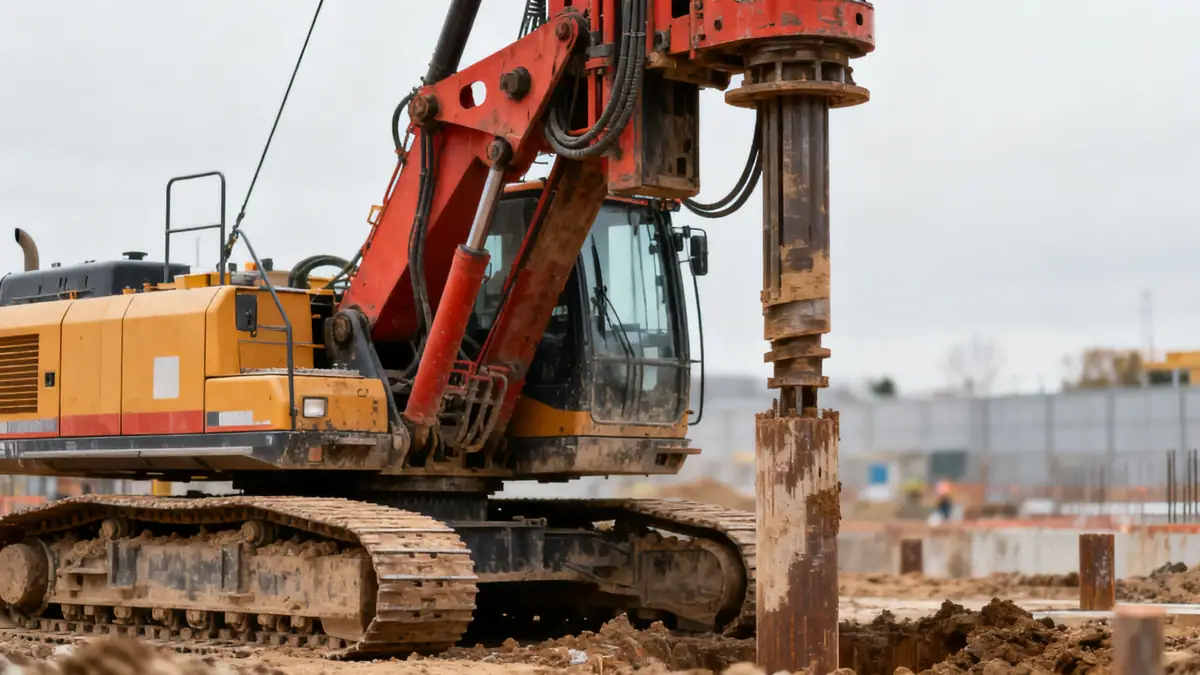
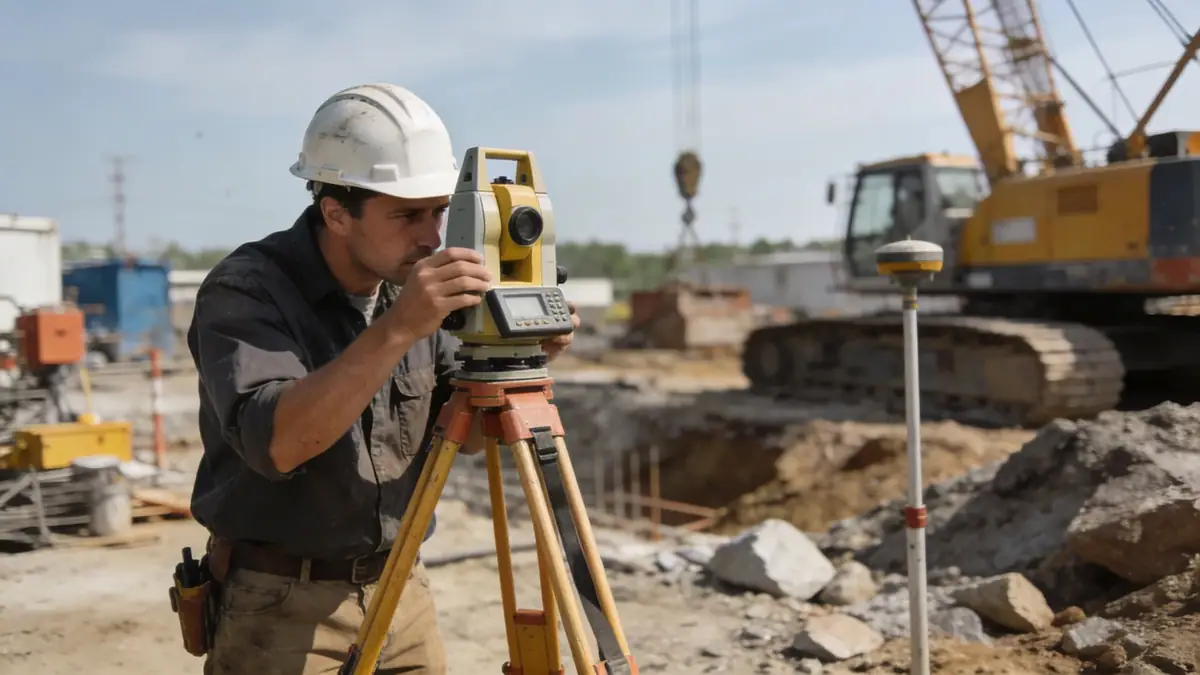
Our methodology for soil mechanics laboratory services in San Bernardino follows a systematic approach: site reconnaissance, subsurface exploration via Standard Penetration Test (SPT) per soil mechanics laboratory practices, and sampling for advanced lab analysis. We use ASTM D1586 for SPT, with sampling intervals every 1.0 to 1.5 meters, and perform index tests (granulometry, Atterberg limits) to classify soils. Our team integrates seismic hazard assessment per ASCE 7-22 to evaluate liquefaction potential and site class (A–F) for San Bernardino projects. This ensures foundation designs are both safe and cost-effective.
Reference Technical Parameters
| Parameter | Reference Value |
|---|---|
| Predominant soil type | Silty sand and gravel (SM, GP-GM) |
| Maximum seismic acceleration (PGA) | 0.4g to 0.6g (NEHRP site class D) |
| Typical groundwater level | 3 to 10 m below grade (variable) |
| Bedrock depth | 30 to 100 m (crystalline basement) |
| Typical N60 range | 10 to 30 blows/ft (alluvium) |
Local Considerations — San Bernardino
San Bernardino's alluvial soils exhibit high variability due to historical flooding and fault activity. The water table is shallow near the Santa Ana River (3–5 m), requiring dewatering considerations. Seismic site class is typically D, with PGA up to 0.6g, demanding liquefaction analysis per ASCE 7. Older commercial zones (e.g., downtown) have undocumented fill, while newer developments on the valley floor encounter loose sands. Our team has extensive experience with these conditions, including granulometry & atterberg testing to assess fines content and plasticity, critical for evaluating collapsible soils and expansive clays. We also coordinate with our soil mechanics laboratory en Los Angeles hub for regional consistency.
Request a Quote
Our team reviews your project and issues an initial report at no cost.
Or write us directly at [email protected]
Services in San Bernardino
Applicable Standards
- ASTM D1586 (Standard Penetration Test)
- ASCE 7-22 (Minimum Design Loads for Buildings, Seismic)
- California Building Code (Title 24, CBC 2022)
- ASTM D2487 (Unified Soil Classification System)
- ASTM D422 (Particle-Size Analysis)
Frequently Asked Questions
What are the dominant soil types in San Bernardino?
San Bernardino's soils are primarily Quaternary alluvium, composed of silty sands (SM) and gravels (GP-GM) with cobbles. Older Pleistocene deposits include cemented sands and clayey layers. Expansive clays (CH) are found in localized basins, requiring special foundation design.
How does seismic activity affect soil mechanics laboratory testing in San Bernardino?
San Bernardino is near the San Andreas Fault, with PGA values up to 0.6g. Our testing includes cyclic triaxial and resonant column tests to evaluate liquefaction potential, modulus reduction, and damping. We also perform SPT and CPT for site class determination per ASCE 7.
Is a soil mechanics laboratory study mandatory for construction in San Bernardino?
Yes, the California Building Code requires geotechnical investigation for most new structures, additions exceeding 100 m², and any project in Seismic Design Categories D, E, or F. Our lab provides the necessary soil classification, compaction, and strength tests to meet these requirements.