Methodology
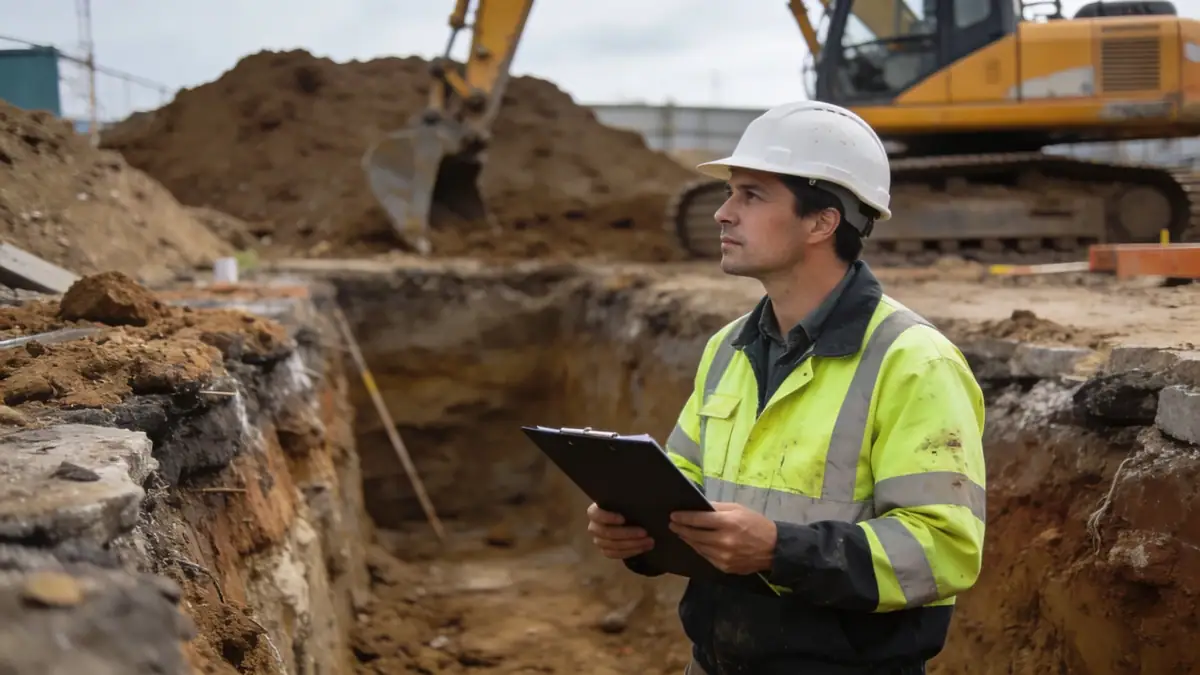
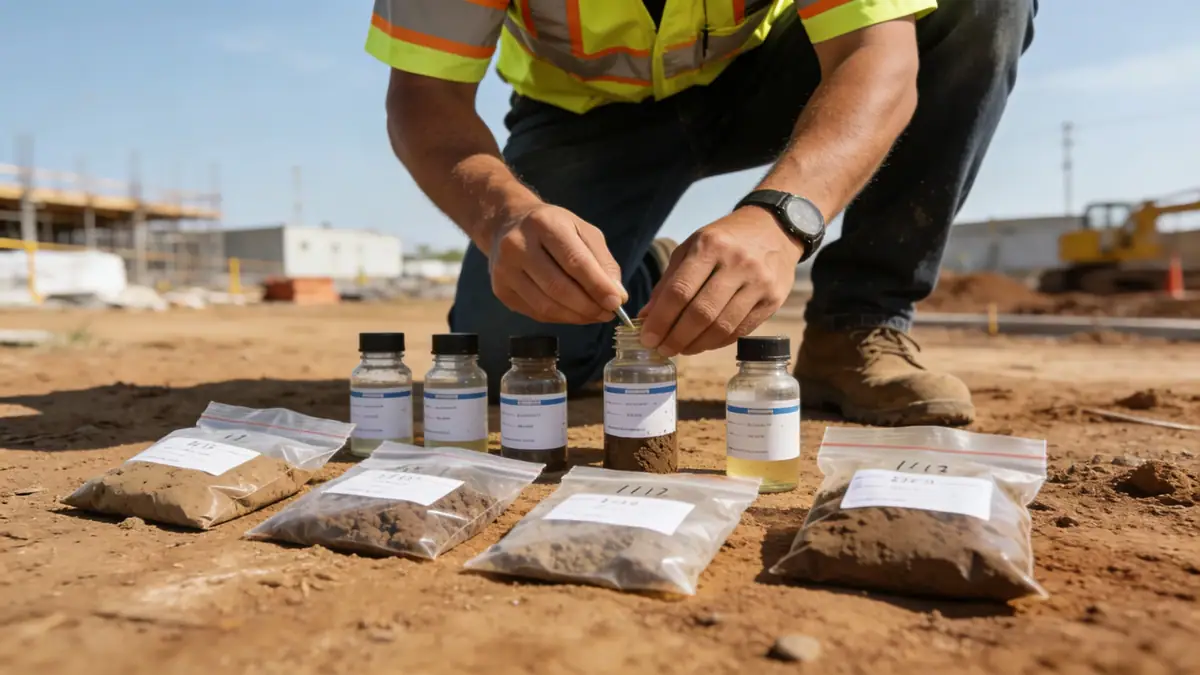
Our methodology in San Antonio integrates field exploration and laboratory analysis following ASTM standards. For subsurface investigation, we employ Standard Penetration Testing (SPT) per ASTM D1586 with sampling intervals of 1.0 to 1.5 meters, reaching depths of 8–15 meters for residential projects and up to 30 meters for industrial structures. Laboratory tests include grain size distribution (ASTM D6913), Atterberg limits (ASTM D4318), and compaction testing (ASTM D698). Our soil mechanics laboratory procedures are tailored to the local limestone and clay formations, ensuring accurate classification and strength parameters for foundation design.
Reference Technical Parameters
| Parameter | Reference Value |
|---|---|
| Predominant soil type | Clayey sand and limestone residuals |
| Maximum seismic acceleration (PGA) | 0.2g (ASCE 7 hazard map) |
| Typical groundwater level | 5–15 m depth |
| Bedrock depth | 3–20 m (Cretaceous limestone) |
| Typical N60 range | 15–35 blows/ft |
Local Considerations — San Antonio
San Antonio's geology is dominated by the Edwards Aquifer and Cretaceous limestone, with variable clay layers. The city's location in a moderate seismic zone (PGA ~0.2g per ASCE 7) requires consideration of dynamic soil properties. Groundwater levels fluctuate with aquifer recharge, affecting excavation dewatering. Contrasting urban areas like downtown (shallow bedrock) versus northern suburbs (deeper soils) demand tailored approaches. Common challenges include expansive clays in the south and karst features in the recharge zone. Our team references granulometry & atterberg testing to assess plasticity and collapse potential, critical for foundation design in this region.
Request a Quote
Our team reviews your project and issues an initial report at no cost.
Or write us directly at [email protected]
Services in San Antonio
Applicable Standards
- ASTM D1586 (Standard Penetration Test)
- ASCE 7 (Minimum Design Loads for Buildings)
- ASTM D2487 (Unified Soil Classification)
- IBC 2021 (International Building Code)
Frequently Asked Questions
What are the typical soil types found in San Antonio?
San Antonio soils primarily consist of clayey sands and limestone residuals derived from the Cretaceous Edwards Formation. Expansive clays are common in low-lying areas, while shallow bedrock is present downtown. Proper classification per ASTM D2487 is essential for foundation design.
How does seismic activity affect soil mechanics in San Antonio?
San Antonio has moderate seismic hazard with PGA up to 0.2g per ASCE 7. Site-specific response analysis may be required for critical structures. Our laboratory evaluates dynamic soil properties to ensure compliance with seismic design provisions.
Are geotechnical studies mandatory for construction in San Antonio?
While not always mandatory for all projects, local building codes often require soil reports for commercial and multi-family structures. For single-family homes, recommendations are strongly advised, especially in areas with expansive clays or shallow bedrock to mitigate differential settlement.