
Methodology
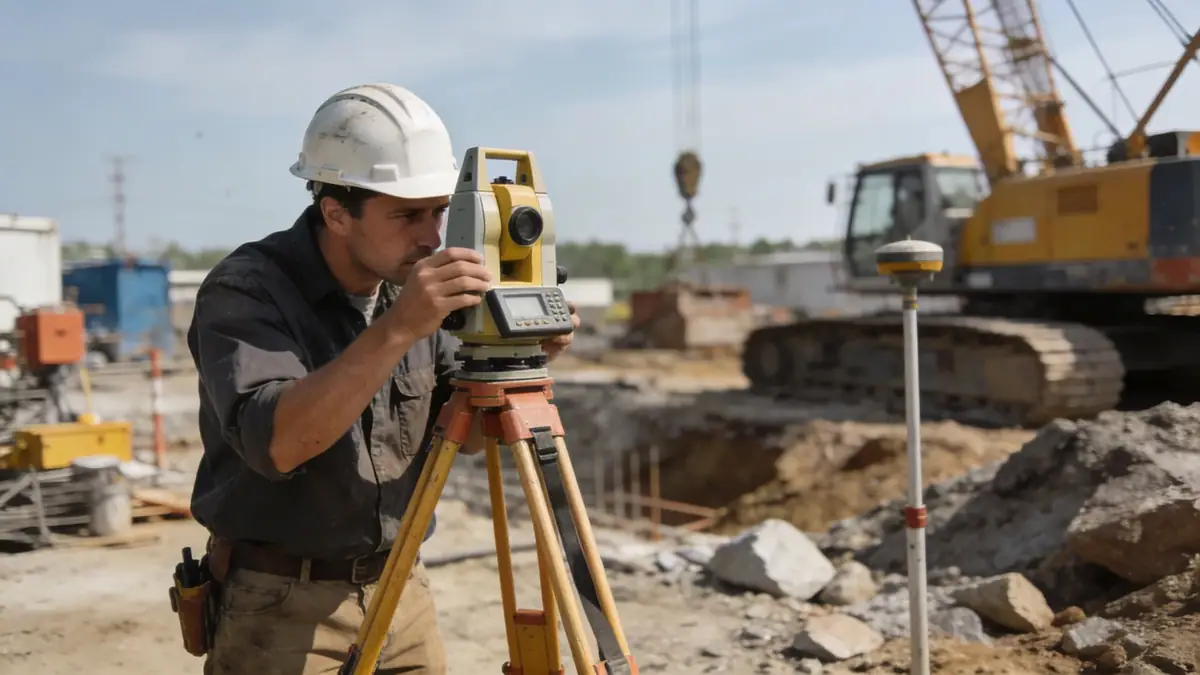
Our methodology for soil mechanics laboratory in Rochester follows standardized procedures such as ASTM D1586 for Standard Penetration Tests. We conduct drilling, sampling, and in-situ testing to characterize soil stratigraphy and engineering properties. Laboratory analyses include moisture content, Atterberg limits, grain size distribution, and shear strength tests. Our approach integrates regional geologic data with site-specific investigations to deliver reliable recommendations. For advanced studies, we refer to our soil mechanics laboratory services for detailed geotechnical assessments.
Reference Technical Parameters
| Parameter | Reference Value |
|---|---|
| Predominant soil type | Glacial till and lacustrine silts/clays |
| Maximum seismic acceleration (PGA) | 0.15g (ASCE 7-16) |
| Typical groundwater level | 2–5 m below surface |
| Bedrock depth | Variable, 10–30 m (shale/limestone) |
| Typical N60 range | 5–30 blows per 0.3 m |
Local Considerations — Rochester
Rochester's geology is dominated by glacial till and lacustrine deposits overlying bedrock of the Lockport Group. The region has low seismic hazard (PGA ~0.15g per ASCE 7). Groundwater is shallow near the Genesee River, requiring dewatering considerations. Soil variability across neighborhoods—from dense tills in the south to soft lacustrine clays in the north—demands site-specific investigation. Common cases include bearing capacity failures in old fills and differential settlement in clay-rich areas. For detailed soil characterization, we recommend our granulometry & atterberg analyses.
Request a Quote
Our team reviews your project and issues an initial report at no cost.
Or write us directly at [email protected]
Services in Rochester
Applicable Standards
- ASTM D1586
- ASCE 7-16
- New York State Building Code (2019)
- ASTM D2487 (Unified Soil Classification System)
- ASTM D4318 (Atterberg Limits)
Frequently Asked Questions
What soil types are commonly encountered in Rochester?
Rochester primarily features glacial till, lacustrine silts and clays, and occasional outwash sands. These deposits result from Pleistocene glaciation and vary in compaction and plasticity.
Is seismic analysis required for projects in Rochester?
Yes, per ASCE 7-16, Rochester falls in Seismic Design Category B, with a maximum PGA of 0.15g. Site-specific seismic analysis is recommended for critical structures or soft soil conditions.
Are geotechnical studies mandatory for new construction in Rochester?
While not explicitly required for all projects, building officials often require a geotechnical report for foundations, especially for larger or complex structures, to ensure compliance with code.