Methodology
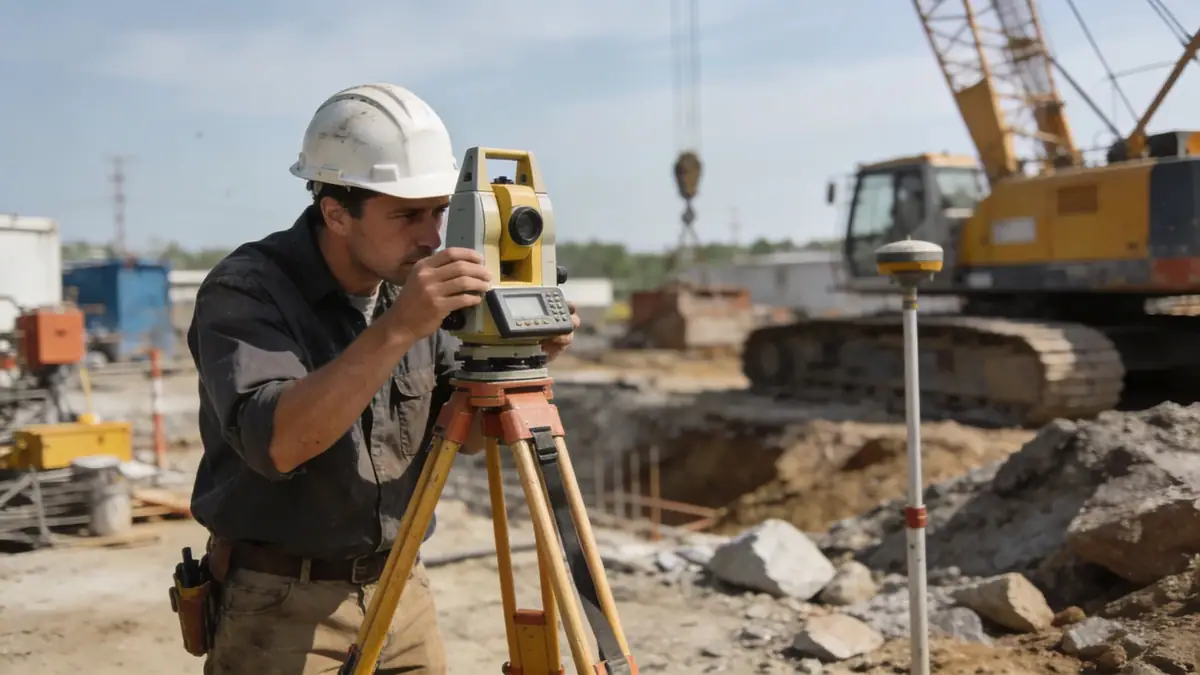
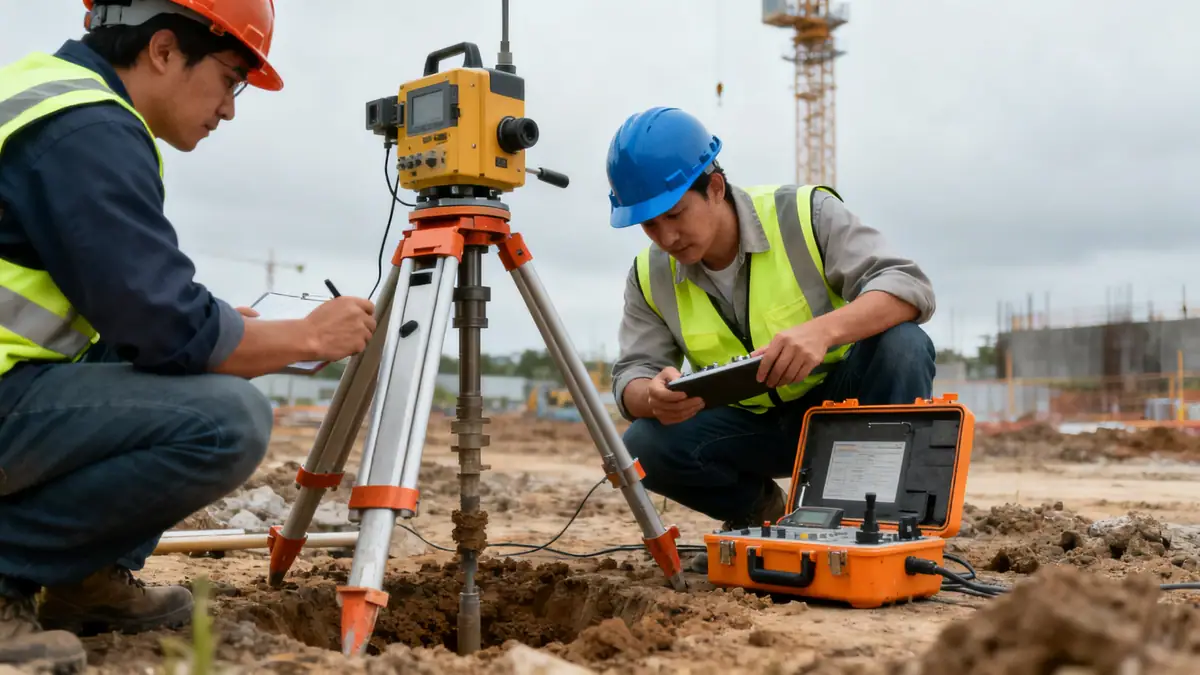
Our methodology for soil mechanics laboratory in Riverside follows a systematic approach tailored to the region's unique geology. We begin with a detailed site reconnaissance and review of existing geological maps, followed by a subsurface exploration program using Standard Penetration Testing (SPT) per ASTM D1586 at intervals of 1.0 to 1.5 meters. Soil samples are retrieved for laboratory classification, including grain size distribution and Atterberg limits. Our soil mechanics laboratory utilizes advanced equipment for moisture-density relationships and shear strength testing. All procedures adhere to ASTM standards, ensuring data reliability for foundation and pavement design. The results are synthesized into a comprehensive geotechnical report that addresses Riverside's specific seismic and soil conditions, providing clients with actionable recommendations.
Reference Technical Parameters
| Parameter | Reference Value |
|---|---|
| Predominant Soil Type | Alluvial sands, silts, and clays with gravel lenses |
| Maximum Seismic Acceleration (PGA) | 0.4g to 0.6g (per ASCE 7, Site Class D) |
| Typical Groundwater Level | 10 to 30 feet below ground surface, varies seasonally |
| Bedrock Depth | 100 to 300 feet (deep alluvium over granitic basement) |
| Typical N60 Range (SPT) | 5 to 40 blows per foot (loose to very dense sands) |
Local Considerations — Riverside
Riverside's geology is dominated by alluvial fan deposits from the San Bernardino Mountains and Santa Ana River. Soils range from loose sands in active washes to stiff clays in older terraces. Shallow groundwater can be encountered near the river corridor, requiring dewatering for deep excavations. Seismic hazards include strong shaking during major earthquakes on the San Andreas and San Jacinto faults, with liquefaction potential in saturated sandy layers. Older neighborhoods near downtown may have undocumented fill, demanding careful investigation. A typical case involved a 5-story building where variable clay layers caused differential settlement, mitigated by deep foundations. For broader coverage, our soil mechanics laboratory en Los Angeles extends similar expertise across Southern California.
Request a Quote
Our team reviews your project and issues an initial report at no cost.
Or write us directly at [email protected]
Services in Riverside
Applicable Standards
- ASTM D1586 (Standard Penetration Test)
- ASCE 7 (Minimum Design Loads for Buildings and Other Structures)
- California Building Code (CBC) Chapter 18
- ASTM D2487 (Unified Soil Classification System)
- ASTM D4318 (Atterberg Limits)
Frequently Asked Questions
What are the typical soil types found in Riverside?
Riverside's soils are primarily alluvial deposits, including sands, silts, and clays with varying gravel content. The region's geological history has created interbedded layers, so conditions can change significantly over short distances. Proper soil testing is essential to characterize these variations for foundation design.
Does Riverside have specific seismic design requirements?
Yes, Riverside is in a high seismic zone due to nearby faults like San Andreas and San Jacinto. The California Building Code (CBC) requires site-specific ground motion analysis per ASCE 7. Soil liquefaction potential must be evaluated for saturated sandy soils, and foundation designs must accommodate lateral spreading and settlement.
Is a soil mechanics study mandatory for construction in Riverside?
While not always legally required for minor structures, most building departments in Riverside County mandate a geotechnical report for new construction, additions, or significant renovations. Lenders and insurance companies also often require one. A thorough study helps avoid costly failures and ensures compliance with seismic codes.