Methodology
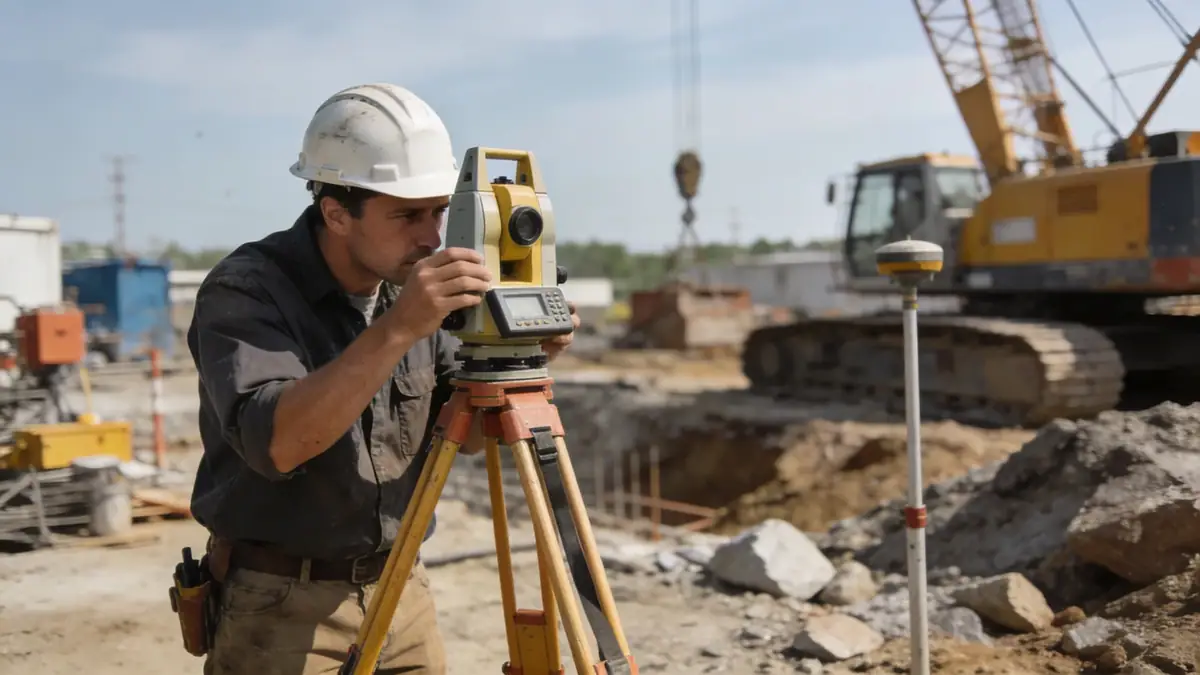
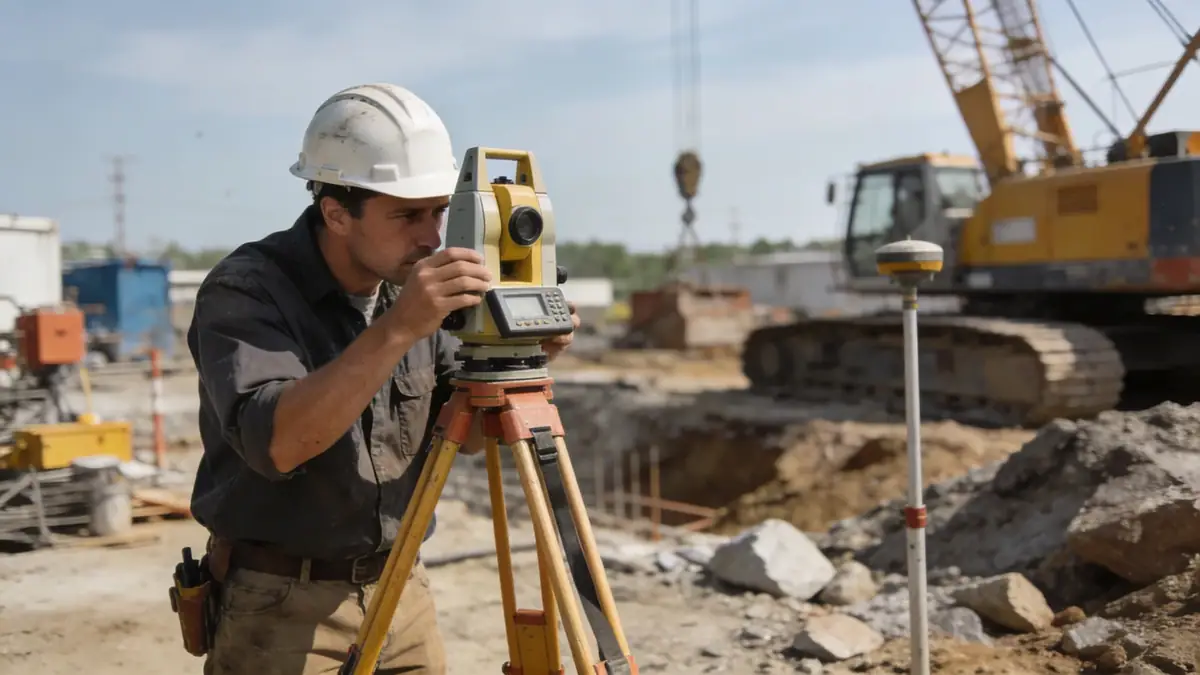
Our methodology for soil mechanics laboratory in Reno follows a systematic approach: subsurface exploration via standard penetration testing (SPT) per ASTM D1586, undisturbed sampling, and in-situ groundwater monitoring. Samples are transported to our accredited lab for classification, strength, and compressibility testing. We employ soil mechanics laboratory procedures including grain size analysis, Atterberg limits, and compaction testing to characterize soil behavior. Data interpretation aligns with local seismic criteria and bearing capacity requirements, ensuring recommendations are tailored to Reno's unique geology. Each project undergoes peer review for accuracy and regulatory compliance.
Reference Technical Parameters
| Parameter | Reference Value |
|---|---|
| Predominant soil type | Silty sands, gravels, and clayey sands (alluvial fan deposits) |
| Maximum seismic acceleration (PGA) | 0.2g to 0.3g (per USGS seismic hazard maps) |
| Typical groundwater level | 5 to 15 feet below grade (variable near Truckee River) |
| Bedrock depth | 50 to 150 feet (volcanic and metasedimentary bedrock) |
| Typical N60 range (SPT) | 10 to 40 blows/foot (loose to dense sands) |
Local Considerations — Reno
Reno's geology is dominated by alluvial fans, playa deposits, and fluvial sediments along the Truckee River, with shallow groundwater in low-lying areas. The region lies within a seismically active zone (Washoe County), requiring site-specific seismic site classification per ASCE 7-16. Downtown Reno features variable fill and soft soils, while outlying areas may encounter expansive clays or collapsible sands. Typical projects include mid-rise buildings, residential subdivisions, and infrastructure. Our team references the granulometry & atterberg testing to assess soil behavior for foundation design. For regional coordination, our soil mechanics laboratory en Los Angeles provides additional support for multi-state projects.
Request a Quote
Our team reviews your project and issues an initial report at no cost.
Or write us directly at [email protected]
Services in Reno
Applicable Standards
- ASTM D1586 (Standard Penetration Test)
- ASCE 7-16 (Minimum Design Loads and Associated Criteria for Buildings and Other Structures)
- International Building Code (IBC) 2021
- Nevada Administrative Code (NAC) Chapter 623
Frequently Asked Questions
What types of soil are commonly found in Reno, Nevada?
Reno's subsurface typically consists of silty sands, gravels, and clayey sands derived from alluvial fans, along with finer-grained playa deposits. Near the Truckee River, fluvial sands and silts are common, while the foothills may contain colluvium and residual soils over volcanic bedrock.
Is seismic site classification required for construction in Reno?
Yes, due to Reno's moderate-to-high seismic hazard, the International Building Code (IBC) requires site-specific seismic site classification (Site Class A through F) based on shear wave velocity, SPT N60, or undrained shear strength. This classification directly impacts design spectral accelerations and foundation detailing.
Are geotechnical investigations mandatory for building permits in Reno?
While not universally required for all projects, most commercial and multi-family residential developments in Reno necessitate a geotechnical report per IBC and local amendments. Single-family homes on sites with known soil hazards (e.g., expansive soils, fill, high water table) also benefit from soil testing to ensure safe foundation design.