
Methodology
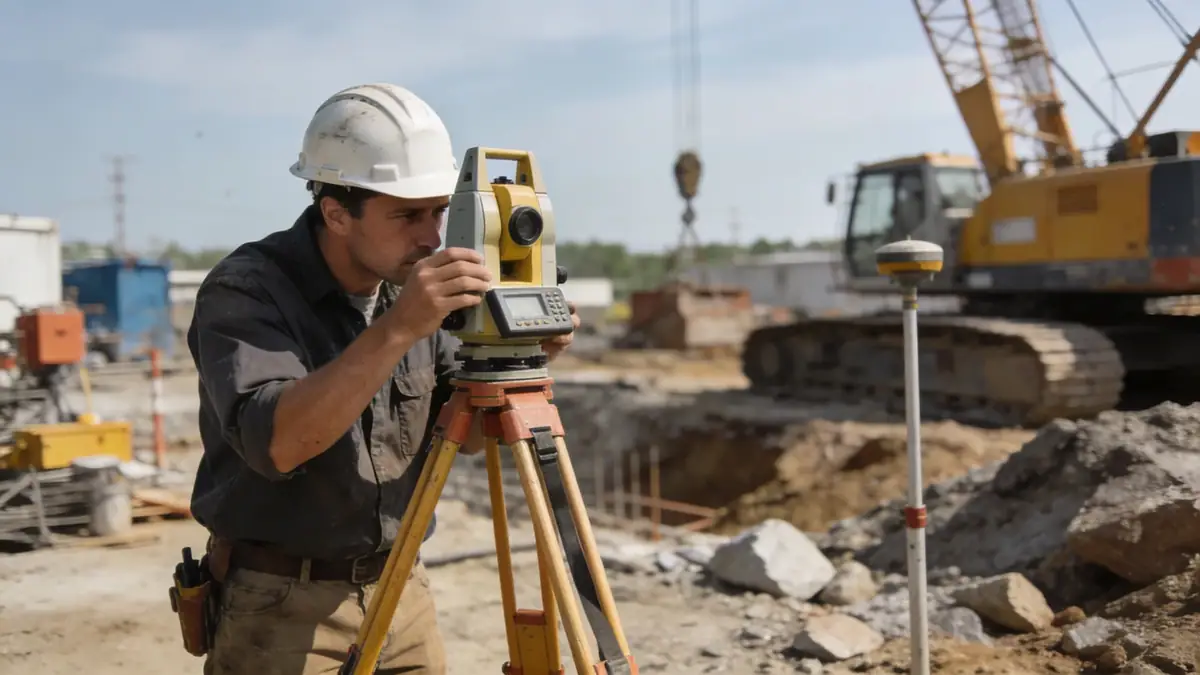
Our methodology for soil mechanics laboratory work in Rancho Cucamonga follows standardized protocols to ensure data reliability. We conduct field investigations using Standard Penetration Testing (SPT) per ASTM D1586, with sampling intervals of 1.0–1.5 m to capture stratigraphic variations. Samples are transported to our accredited laboratory for index property testing, including natural moisture content and unit weight. Our team integrates geological mapping with subsurface data to develop site-specific ground models. This systematic approach supports accurate bearing capacity and settlement analyses for projects ranging from single-family homes to commercial developments.
Reference Technical Parameters
| Parameter | Reference Value |
|---|---|
| Predominant soil type | Alluvial sands, silts, and gravels |
| Maximum seismic acceleration (PGA) | 0.4–0.6g (ASCE 7-16 Site Class D) |
| Typical groundwater level | 10–25 ft below grade |
| Bedrock depth | 100–300 ft |
| Typical N60 range (SPT) | 10–40 blows/ft |
Local Considerations — Rancho Cucamonga
Rancho Cucamonga's geology consists of Quaternary alluvial fan deposits from the San Gabriel Mountains, with varying grain sizes and occasional cobble layers. The region lies within the Cucamonga Fault zone, requiring site-specific seismic hazard analyses per ASCE 7. Groundwater is typically deep but may rise near recharge zones. Older neighborhoods near the foothills often have colluvial soils with higher plasticity. Our team has extensive experience with local conditions, supporting projects from residential subdivisions to commercial centers. For broader regional context, see our soil mechanics laboratory in Los Angeles.
Request a Quote
Our team reviews your project and issues an initial report at no cost.
Or write us directly at [email protected]
Services in Rancho Cucamonga
Applicable Standards
- ASTM D1586 (Standard Penetration Test)
- ASCE 7-16 (Minimum Design Loads for Buildings)
- California Building Code (CBC) Chapter 18
- ASTM D2487 (Unified Soil Classification System)
Frequently Asked Questions
What types of soil are common in Rancho Cucamonga?
The predominant soils are alluvial sands, silts, and gravels deposited by historic flood events from the San Gabriel Mountains. Colluvial soils with higher clay content are found near the foothills. These materials generally provide good bearing capacity but require proper compaction for fill applications.
Is seismic analysis required for projects in Rancho Cucamonga?
Yes, due to the proximity of the Cucamonga Fault and regional seismic activity. The California Building Code mandates site-specific ground motion analysis per ASCE 7, including determination of Site Class and liquefaction potential. Our laboratory provides the necessary soil data to support these evaluations.
Are soil mechanics laboratory studies mandatory for construction in Rancho Cucamonga?
For most new building permits, geotechnical reports are required by the City of Rancho Cucamonga and the California Building Code. Even small additions may need soil testing if they affect structural loads. Our team can help determine the appropriate scope of investigation for your project.