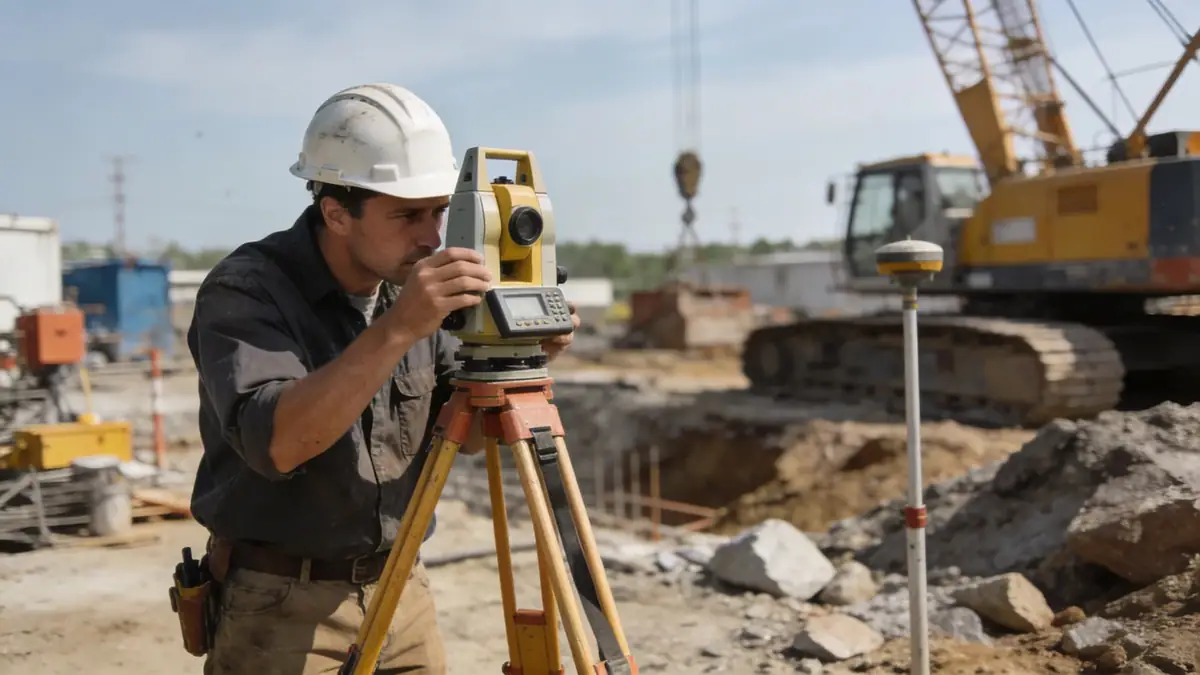
Methodology
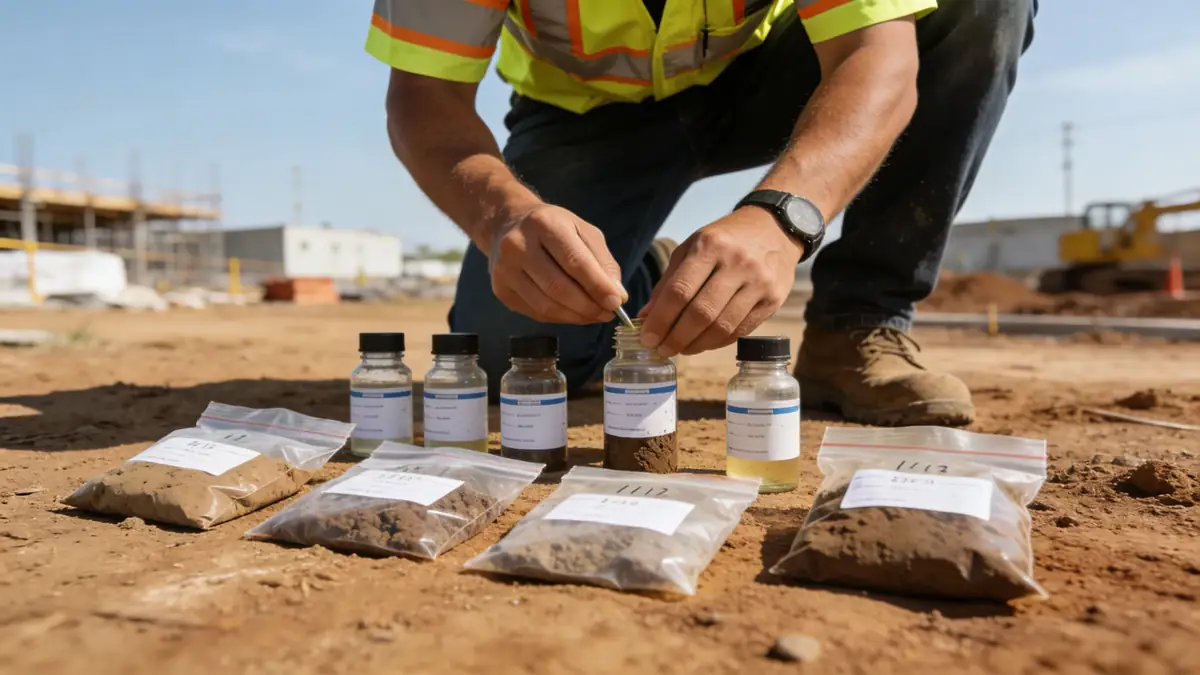
Our methodology for soil mechanics laboratory in Raleigh integrates field investigation and laboratory testing per ASTM D1586 (Standard Penetration Test). We coordinate SPT borings with continuous sampling at 1.5-meter intervals, typical N60 values ranging from 4 to 50 blows per foot depending on soil type. Our team analyzes soil behavior through our soil mechanics laboratory protocols, including grain size distribution and plasticity indices. This systematic approach provides reliable data for foundation design in Raleigh's variable subsurface conditions.
Reference Technical Parameters
| Parameter | Reference Value |
|---|---|
| Predominant soil type | Residual sandy silt and clay (Piedmont) / Alluvial sands and silts (Neuse floodplain) |
| Maximum seismic acceleration (PGA) | 0.2g (ASCE 7-16, Site Class C-D) |
| Typical groundwater level | 2–6 m below grade (variable by season and location) |
| Bedrock depth | 6–20 m (weathered granite/gneiss saprolite over sound rock) |
| Typical N60 range | 4–15 (residual soils) / 10–40 (alluvial sands) |
Local Considerations — Raleigh
Raleigh's geological setting in the Piedmont region features deep saprolitic soils over crystalline bedrock, with localized alluvial deposits near the Neuse River. Groundwater levels fluctuate seasonally, often encountered at 3–5 m in low-lying areas. Seismic hazard is moderate (PGA 0.2g), requiring site-specific response spectra per ASCE 7. Older downtown areas may have undocumented fill, while newer subdivisions encounter variable residual soil thickness. Our team frequently addresses slope stability for cut-and-fill sites. For broader context, our soil mechanics laboratory en Philadelphia provides analogous expertise in another urban center. We also incorporate granulometry & atterberg testing to classify fine-grained soils accurately.
Request a Quote
Our team reviews your project and issues an initial report at no cost.
Or write us directly at [email protected]
Services in Raleigh
Applicable Standards
- ASTM D1586 (Standard Penetration Test)
- ASCE 7-16 (Minimum Design Loads and Associated Criteria for Buildings and Other Structures)
- North Carolina State Building Code (2018, based on IBC 2015)
- ASTM D2487 (Standard Practice for Classification of Soils for Engineering Purposes)
Frequently Asked Questions
What soil types are commonly found in Raleigh?
Raleigh predominantly features Piedmont residual soils—sandy silts and clays derived from weathered granite and gneiss—along with alluvial sands and silts in the Neuse River floodplain. These materials exhibit variable strength and compressibility, necessitating site-specific testing.
What seismic design requirements apply in Raleigh?
Raleigh falls under Seismic Design Category B per ASCE 7, with a maximum considered earthquake spectral response acceleration (S1) of approximately 0.2g. Site-specific soil classification (Site Class C or D) is required to determine design spectra for structures.
Is a geotechnical investigation mandatory for new construction in Raleigh?
While not universally required for all projects, the North Carolina State Building Code mandates geotechnical investigations for structures in Seismic Design Category B or higher, and for sites with suspected fill, slopes, or high groundwater. Lenders and insurers often require soil reports for financing.