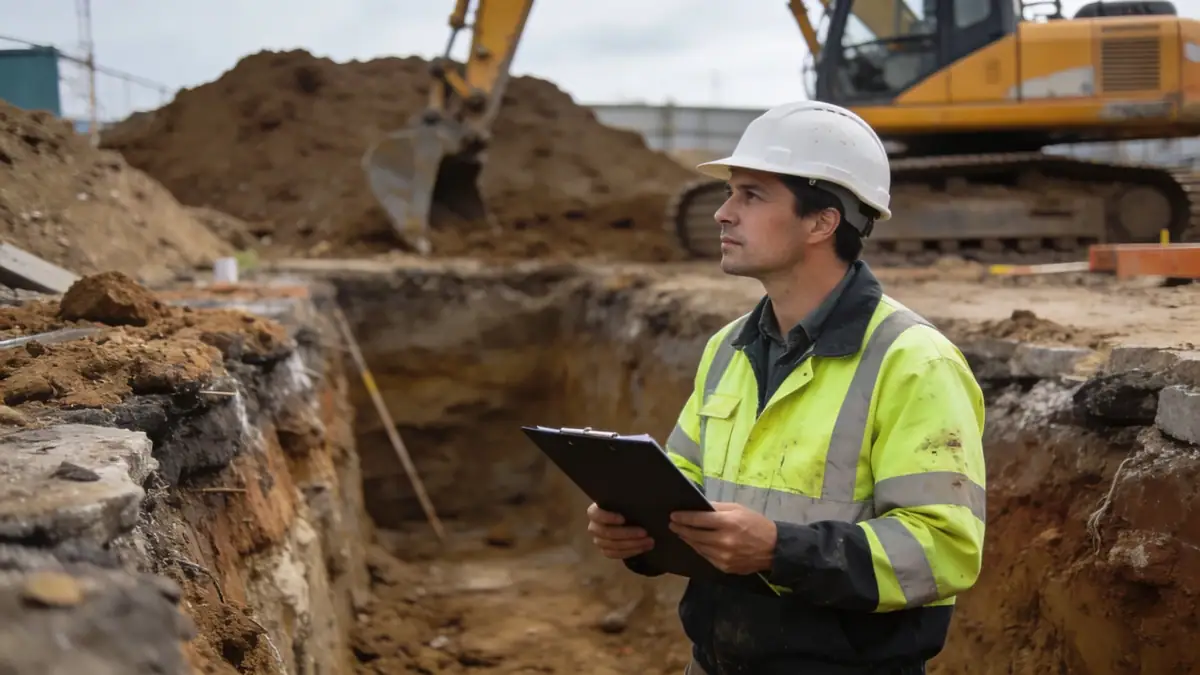
Methodology
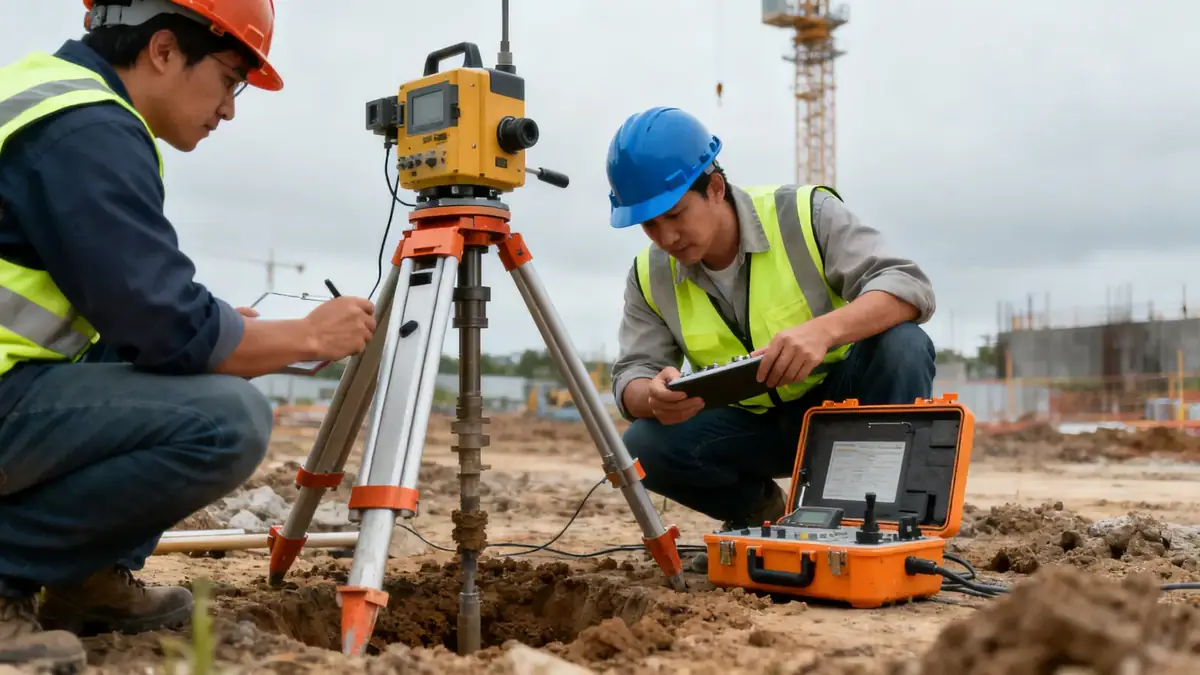
Our methodology for soil mechanics laboratory in Pomona follows standardized procedures, including ASTM D1586 for Standard Penetration Tests. We conduct borings to depths of 10-30 meters, with sampling intervals of 1.5 meters. Field and laboratory tests are performed to characterize soil behavior, such as shear strength and compressibility. Our team integrates site-specific data with regional seismic parameters to develop recommendations. For further details, visit our soil mechanics laboratory page.
Reference Technical Parameters
| Parameter | Reference Value |
|---|---|
| Predominant soil type | Alluvial sands and silts, with clay lenses |
| Maximum seismic acceleration (PGA) | 0.40g (Seismic Zone 4 per ASCE 7) |
| Typical groundwater level | 3-6 meters below ground surface |
| Bedrock depth | 15-30 meters (sedimentary bedrock) |
| Typical N60 range | 10-30 blows/0.3m (variable with depth) |
Local Considerations — Pomona
Pomona's geology is dominated by Quaternary alluvium from the San Gabriel Mountains, with variable clay and sand layers. The area is seismically active due to nearby faults (e.g., San Jose, Elsinore). Groundwater levels fluctuate seasonally, affecting soil behavior. Older neighborhoods may have undocumented fill, requiring careful investigation. New developments often demand deep foundations or ground improvement. Our team in Pomona addresses these challenges with local expertise. For broader projects, we also coordinate with our soil mechanics laboratory en Los Angeles.
Request a Quote
Our team reviews your project and issues an initial report at no cost.
Or write us directly at [email protected]
Services in Pomona
Applicable Standards
- ASTM D1586
- ASCE 7-16 Seismic Provisions
- California Building Code (CBC) 2022
- ASTM D2487 (Unified Soil Classification)
- ASTM D2435 (One-Dimensional Consolidation)
Frequently Asked Questions
What types of soil are commonly found in Pomona?
Pomona typically has alluvial soils including sands, silts, and clays. These soils can be variable in composition and density, requiring careful site-specific testing to determine engineering properties.
Is seismic analysis required for construction in Pomona?
Yes, Pomona is in Seismic Zone 4 per ASCE 7, with a PGA of 0.40g. The California Building Code mandates site-specific seismic hazard analysis for most structures, including soil liquefaction and settlement evaluations.
Are geotechnical studies mandatory for residential projects in Pomona?
Local building departments often require a geotechnical report for new construction and additions, especially in areas with known soil hazards. It is advisable to consult with the city engineer to confirm specific requirements.