Methodology
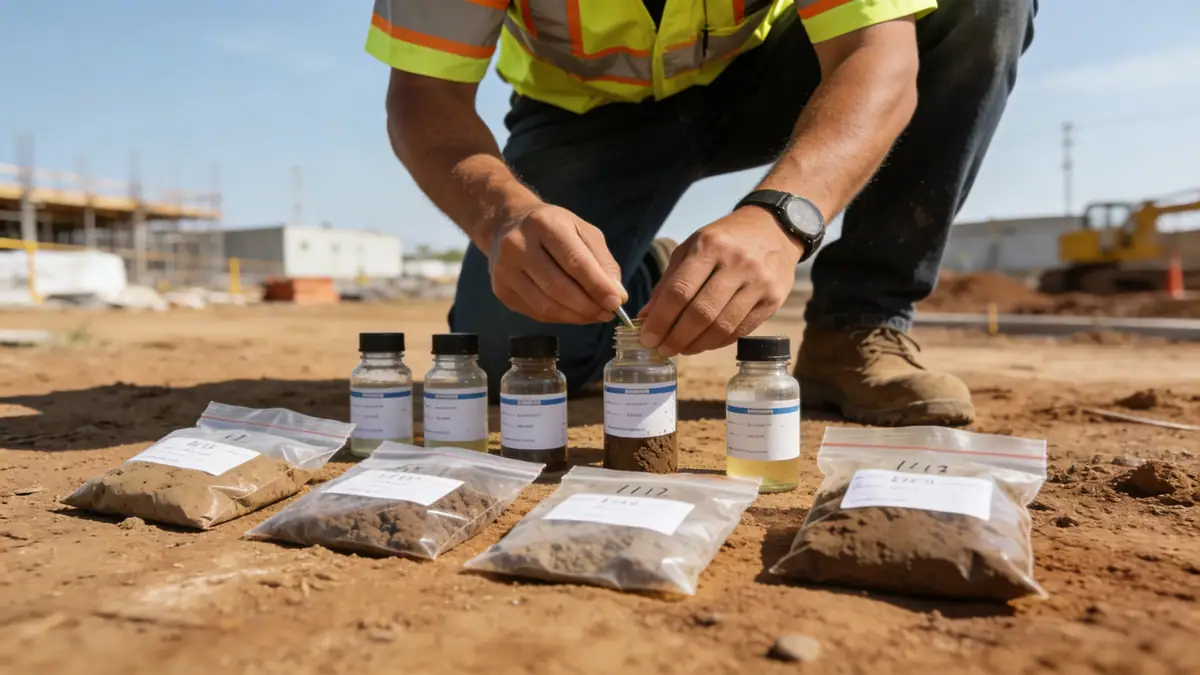
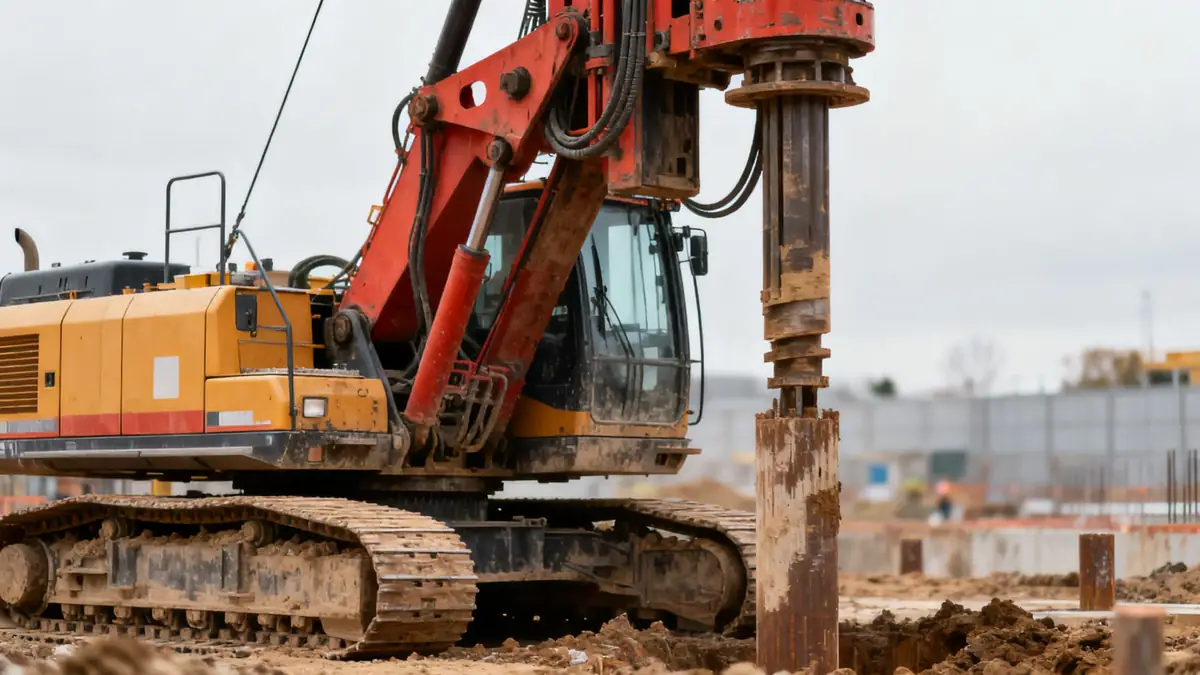
Our methodology for soil mechanics laboratory in Plano Texas follows ASTM D1586 for standard penetration testing, with sampling intervals every 1.5 meters to capture soil variability. We employ continuous CPT soundings for detailed stratigraphic profiling and install monitoring wells to assess groundwater levels. Laboratory testing includes Atterberg limits, grain size distribution, and Proctor compaction to classify soils and determine their engineering properties. Our integrated approach, from field exploration to final reporting, ensures that each project receives site-specific recommendations. For more on our core capabilities, visit soil mechanics laboratory.
Reference Technical Parameters
| Parameter | Reference Value |
|---|---|
| Predominant soil type | Expansive clay (Houston Black, vertisols) |
| Maximum seismic acceleration (PGA) | 0.15g (ASCE 7-16, Site Class C) |
| Typical groundwater level | 3–8 m below surface |
| Bedrock depth | >30 m (Austin Chalk formation) |
| Typical N60 range | 5–20 blows/ft (clay), 15–40 blows/ft (sand) |
Local Considerations — Plano Texas
Plano Texas sits on the Blackland Prairie, underlain by expansive clay soils that swell and shrink with moisture changes. This behavior imposes specific requirements for foundation design, often necessitating deep piers or post-tensioned slabs. The area lies in Seismic Design Category C per ASCE 7-16, with a mapped PGA of 0.15g. Our team has extensive experience with these conditions, having conducted numerous investigations across residential subdivisions in West Plano and commercial sites near the Legacy corridor. For detailed analysis of soil behavior, refer to granulometry & atterberg testing, which quantifies plasticity and shrink-swell potential. Additionally, proctor & cbr testing is essential for compaction control in pavement and fill applications.
Request a Quote
Our team reviews your project and issues an initial report at no cost.
Or write us directly at [email protected]
Services in Plano Texas
Applicable Standards
- ASTM D1586 (Standard Penetration Test)
- ASCE 7-16 (Minimum Design Loads for Buildings)
- Texas Department of Transportation (TxDOT) geotechnical manuals
- City of Plano Engineering Design Standards
Frequently Asked Questions
What soil types are common in Plano Texas?
Plano Texas predominantly features expansive clay soils, including Houston Black and vertisols, which exhibit high plasticity and significant volume changes with moisture. Sandy loam and alluvial deposits are found near creek beds. Understanding these soil types is critical for foundation design to mitigate differential movement.
What seismic design considerations apply in Plano Texas?
Per ASCE 7-16, Plano Texas falls under Seismic Design Category C with a peak ground acceleration (PGA) of 0.15g. Site-specific soil amplification must be evaluated per Chapter 20 of ASCE 7, as the deep clay profiles can modify ground motion. Our team incorporates these factors into geotechnical recommendations for structural design.
Are soil studies mandatory for construction in Plano Texas?
While Texas state law does not mandate soil studies for all construction, the City of Plano requires geotechnical reports for most building permits, especially for commercial structures and residential subdivisions. Lenders and insurers also often require such studies to manage risk associated with expansive soils.