Methodology

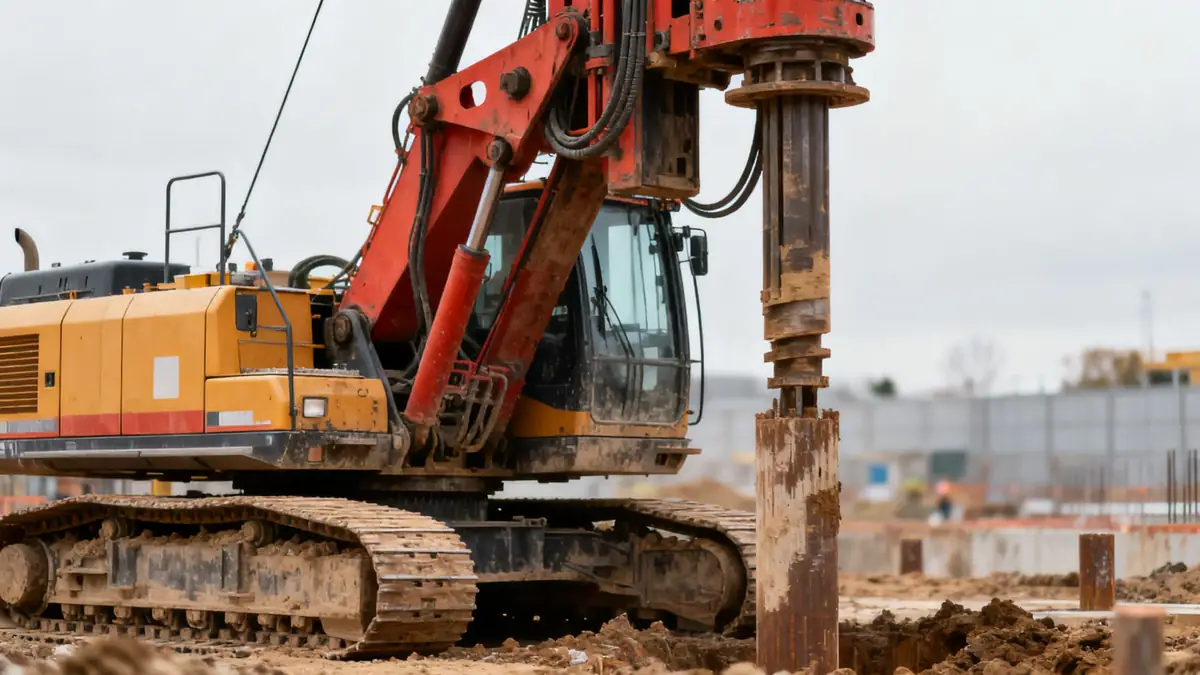
Our methodology in Pittsburgh begins with a thorough review of existing geologic maps and historic mine maps, as much of the region is underlain by abandoned coal mines. We then conduct field investigations using standard penetration testing (SPT) per ASTM D1586, with sampling intervals of 1.0–1.5 m to capture variability in glacial till and lacustrine deposits. Laboratory testing at our soil mechanics laboratory includes grain size analysis, Atterberg limits, and consolidation tests to evaluate settlement potential. For seismic design, we assess site class per ASCE 7 based on shear wave velocity measurements. Our integrated approach ensures that foundation designs account for Pittsburgh's unique geologic hazards, including collapsible soils, landslides, and mine subsidence.
Reference Technical Parameters
| Parameter | Reference Value |
|---|---|
| Predominant soil type | Glacial till, colluvium, alluvium |
| Maximum seismic acceleration (PGA) | 0.15g (ASCE 7 Site Class D, 2% probability in 50 years) |
| Typical groundwater level | 3–10 m below grade, variable with season |
| Bedrock depth | 5–30 m, with shallow rock in hilltops |
| Typical N60 range | 4–40 blows/0.3 m (dense till to soft clay) |
Local Considerations — Pittsburgh
Pittsburgh's geology presents distinct challenges: glacial till with cobbles and boulders complicates standard penetration testing, while abandoned mine voids require careful geophysical surveys. Our team has experience with the city's variable bedrock—Pittsburgh coal, sandstone, and limestone—at depths from 5 to 30 m. Groundwater levels fluctuate seasonally, especially near the three rivers. We provide specialized services for hillside developments, where slope stability analysis is critical. For clients requiring advanced geotechnical support, our granulometry & atterberg testing provides essential data on fine-grained soils. Our local knowledge ensures compliance with Pittsburgh's building codes and Allegheny County regulations.
Request a Quote
Our team reviews your project and issues an initial report at no cost.
Or write us directly at [email protected]
Services in Pittsburgh
Applicable Standards
- ASTM D1586 (Standard Penetration Test)
- ASCE 7 (Minimum Design Loads for Buildings and Other Structures)
- ASTM D6913 (Particle-Size Distribution)
- ASTM D4318 (Atterberg Limits)
- ASTM D2435 (Consolidation Properties)
Frequently Asked Questions
What are the typical soil types found in Pittsburgh?
Pittsburgh's soils are predominantly glacial till, colluvium, and alluvium. Glacial till contains a mix of clay, silt, sand, and gravel with occasional cobbles. Colluvial soils are found on slopes, while alluvial deposits occur along river valleys. Bedrock consists of interbedded sandstone, shale, limestone, and coal seams.
Is seismic design required for structures in Pittsburgh?
Yes, according to ASCE 7, Pittsburgh is in a moderate seismic zone with a maximum considered earthquake PGA of 0.15g for Site Class D. Seismic design is required for most buildings, with site-specific ground motion analysis recommended for critical facilities. Our laboratory provides shear wave velocity testing to determine site class.
Are geotechnical studies mandatory for construction in Pittsburgh?
While not always legally mandated for single-family homes, most municipalities in Allegheny County require a geotechnical report for commercial buildings and subdivisions. Given Pittsburgh's mine subsidence and landslide hazards, our firm strongly recommends subsurface investigations for any project to mitigate risks and ensure code compliance.