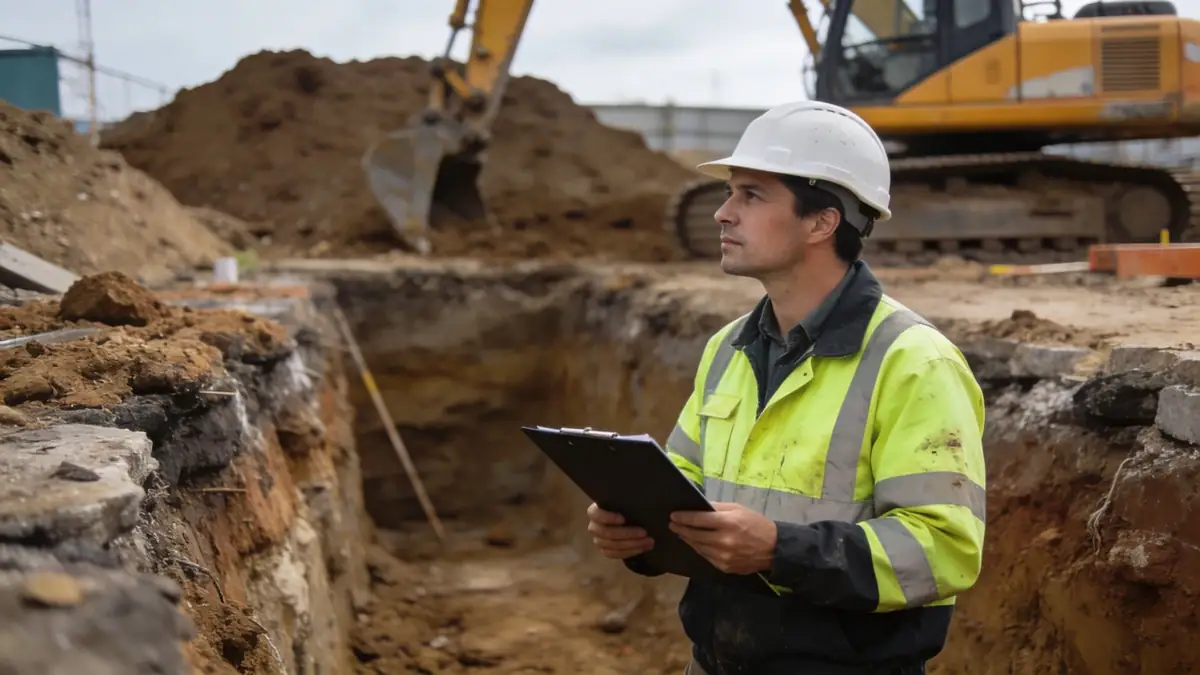
Methodology
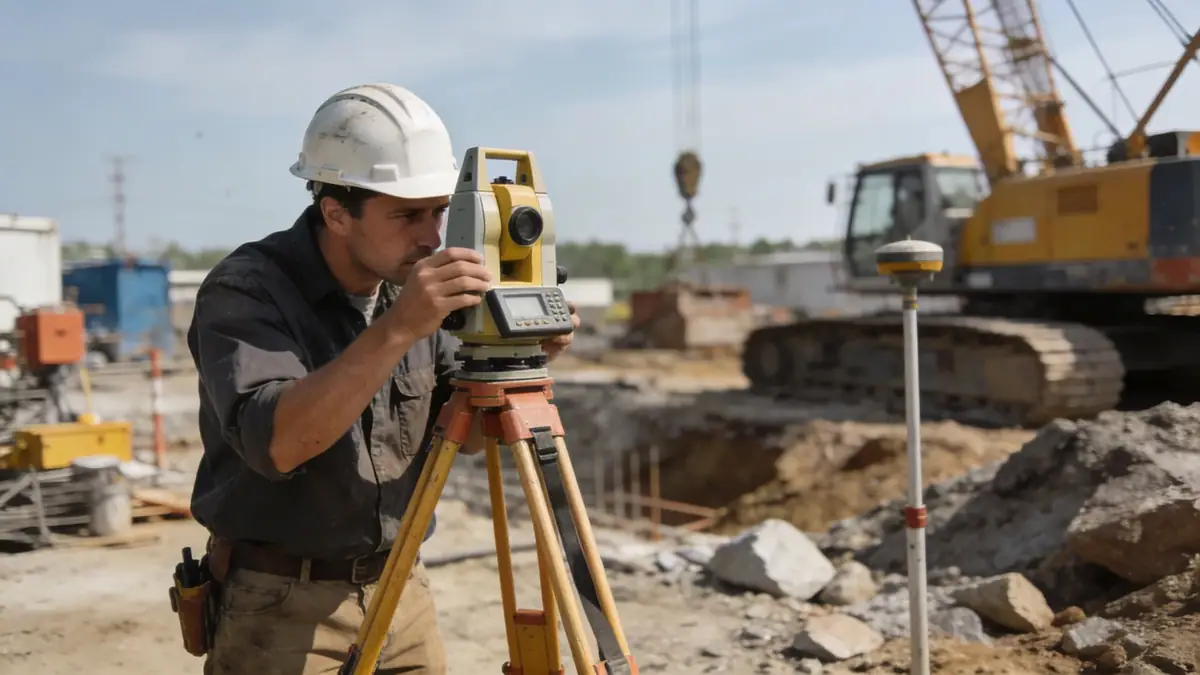
Our team employs a systematic approach to soil mechanics laboratory investigations in Oxnard. Field exploration includes standard penetration testing (SPT) per ASTM D1586 at 1.5 m intervals to depths of 15–30 m, depending on project requirements. In the laboratory, we perform index property tests, including grain size distribution and Atterberg limits, to classify soils under the Unified Soil Classification System. Advanced testing such as triaxial compression (ASTM D4767) and consolidation (ASTM D2435) is conducted for settlement and strength analysis. All procedures adhere to ASTM standards and local building codes. For a comprehensive overview of our capabilities, visit our soil mechanics laboratory page.
Reference Technical Parameters
| Parameter | Reference Value |
|---|---|
| Predominant soil type | Silty sand (SM), low plasticity clay (CL) |
| Maximum seismic acceleration (PGA) | 0.5g (ASCE 7-16, Site Class D) |
| Typical groundwater depth | 3–6 m below ground surface |
| Bedrock depth | Variable, >30 m in central Oxnard |
| Typical N60 range (SPT) | 5–30 blows/0.3 m in sandy layers |
Local Considerations — Oxnard
Oxnard's alluvial soils exhibit significant lateral variability due to historical river channels and floodplain deposition. The presence of soft clays and loose sands in the Oxnard Industrial Park area necessitates careful settlement and liquefaction analyses. Seismic design must comply with the California Building Code (CBC) and ASCE 7-16, with site-specific response spectra recommended. Our team integrates these local factors into every project, ensuring robust foundation solutions. For specialized testing, see our granulometry & atterberg services. Additionally, our work is supported by our soil mechanics laboratory en Los Angeles facility, which provides regional coordination.
Request a Quote
Our team reviews your project and issues an initial report at no cost.
Or write us directly at [email protected]
Services in Oxnard
Applicable Standards
- ASTM D1586 – Standard Penetration Test (SPT)
- ASTM D2487 – Unified Soil Classification System
- ASCE 7-16 – Minimum Design Loads for Buildings (Seismic)
- California Building Code (CBC) 2022
Frequently Asked Questions
What soil types are commonly found in Oxnard?
Oxnard soils are predominantly Quaternary alluvium, including silty sands (SM), low plasticity clays (CL), and occasional gravel layers. These deposits are typical of coastal plains and require detailed classification for foundation design.
What seismic codes apply to construction in Oxnard?
Construction in Oxnard must comply with the California Building Code (CBC) and ASCE 7-16 for seismic loads. The region is mapped with a PGA of 0.5g, and site-specific ground motion analysis is often required for critical structures.
Is a geotechnical investigation mandatory for building in Oxnard?
Yes, the CBC requires a geotechnical investigation for most new construction, including residential, commercial, and public works. The report must address soil bearing capacity, settlement, liquefaction potential, and seismic design parameters.