Methodology
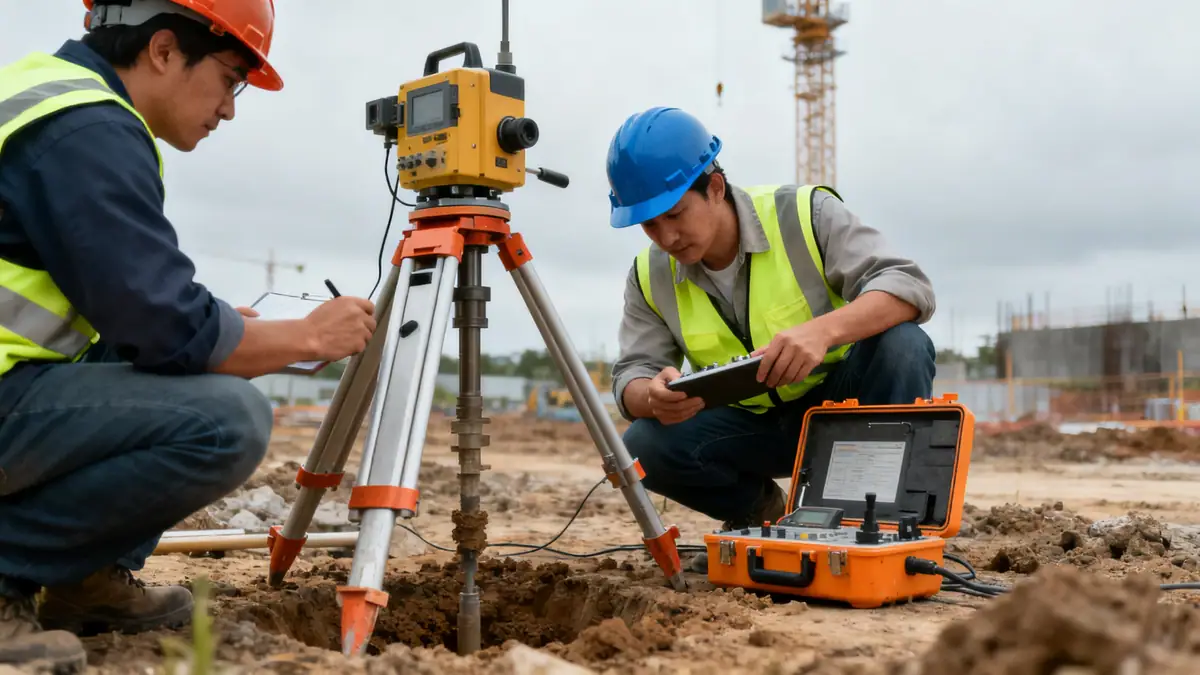
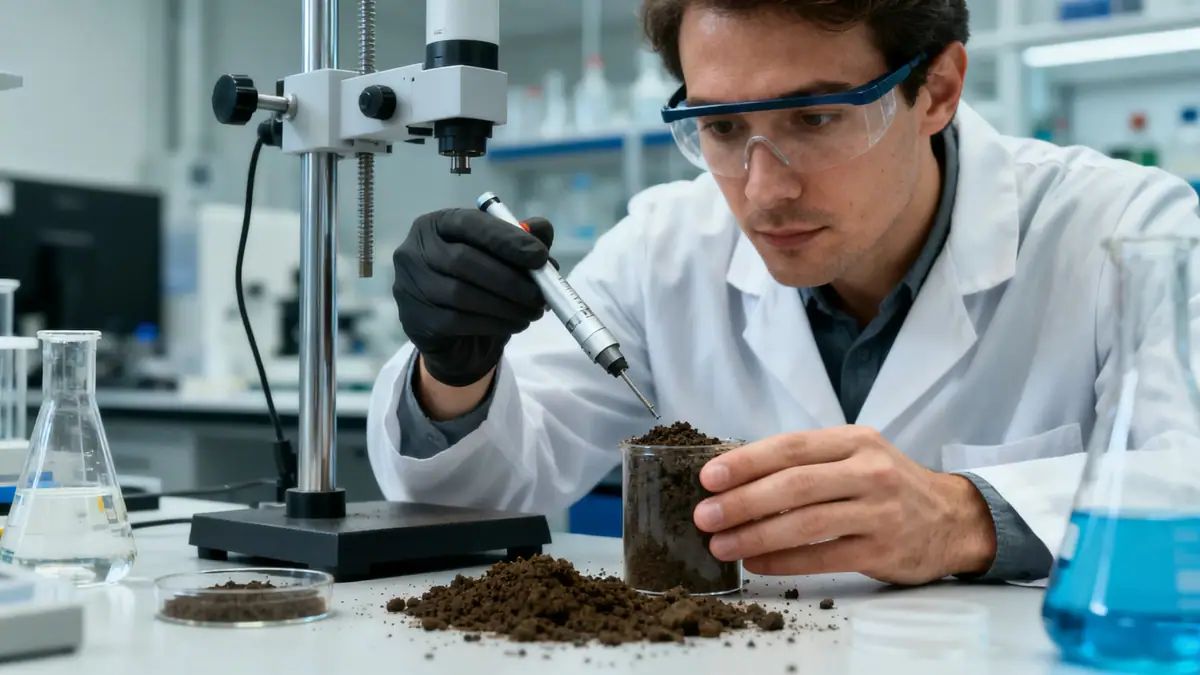
Our methodology for soil mechanics laboratory in Orlando follows standardized procedures to characterize subsurface conditions. We perform Standard Penetration Tests (SPT) per ASTM D1586 at 1.5-meter intervals to depths typical for local structures. For fine-grained soils, we conduct Atterberg limits and hydrometer analysis following ASTM D4318 and D7928. Our soil mechanics laboratory integrates field sampling with laboratory testing to provide comprehensive geotechnical parameters. We employ triaxial compression tests (ASTM D4767) for shear strength and consolidation tests (ASTM D2435) for settlement analysis, ensuring data supports safe foundation design in Orlando's variable soil profiles.
Reference Technical Parameters
| Parameter | Reference Value |
|---|---|
| Predominant soil type | Sands and silty sands (SP, SM) with limestone near surface |
| Maximum seismic acceleration (PGA) | 0.05g to 0.10g (ASCE 7-16, Site Class D) |
| Typical groundwater level | 1.5 to 4.5 meters below ground surface |
| Bedrock depth | Variable; 3 to 15 meters (limestone) |
| Typical N60 range (SPT) | 4 to 30 blows per 0.3 m |
Local Considerations — Orlando
Orlando's geology is characterized by poorly graded sands and silty sands overlying limestone bedrock, with a shallow water table that requires dewatering considerations for excavations. The region is in Seismic Design Category B per ASCE 7-16, with low seismic hazard but potential for liquefaction in loose sands. Urban areas like downtown and Lake Nona contrast with older suburbs where fill and organic soils may be present. Common challenges include sinkhole risk due to karst limestone and variable bearing capacity for shallow foundations. Our team coordinates with local permitting authorities for projects requiring granulometry & atterberg testing to classify soils per Unified Soil Classification System (USCS). For complex sites, we recommend triaxial & consolidation testing to evaluate settlement and strength parameters. Our firm also maintains a presence in soil mechanics laboratory en Miami to support regional projects.
Request a Quote
Our team reviews your project and issues an initial report at no cost.
Or write us directly at [email protected]
Services in Orlando
Applicable Standards
- ASTM D1586 (Standard Penetration Test)
- ASTM D4318 (Atterberg Limits)
- ASTM D6913 (Particle Size Distribution)
- ASCE 7-16 (Minimum Design Loads for Buildings)
- Florida Building Code (FBC) 2023
Frequently Asked Questions
What are the typical soil types encountered in Orlando?
Orlando's soils are predominantly sands and silty sands (SP, SM) with variable amounts of fines. Underlying limestone bedrock creates a karst terrain with potential sinkholes. Organic soils and fills are common in older urban areas, requiring careful geotechnical characterization.
Is seismic design required for buildings in Orlando?
Yes, per ASCE 7-16 and the Florida Building Code, Orlando falls under Seismic Design Category B. While seismic hazard is low, peak ground accelerations range from 0.05g to 0.10g, and site-specific response spectra may be required for critical structures or soft soil sites.
Are geotechnical studies mandatory for construction in Orlando?
The Florida Building Code requires a geotechnical investigation for most new structures, particularly those with shallow foundations or in areas prone to sinkholes. Local jurisdictions often mandate soil testing for permits, ensuring compliance with bearing capacity and settlement criteria.