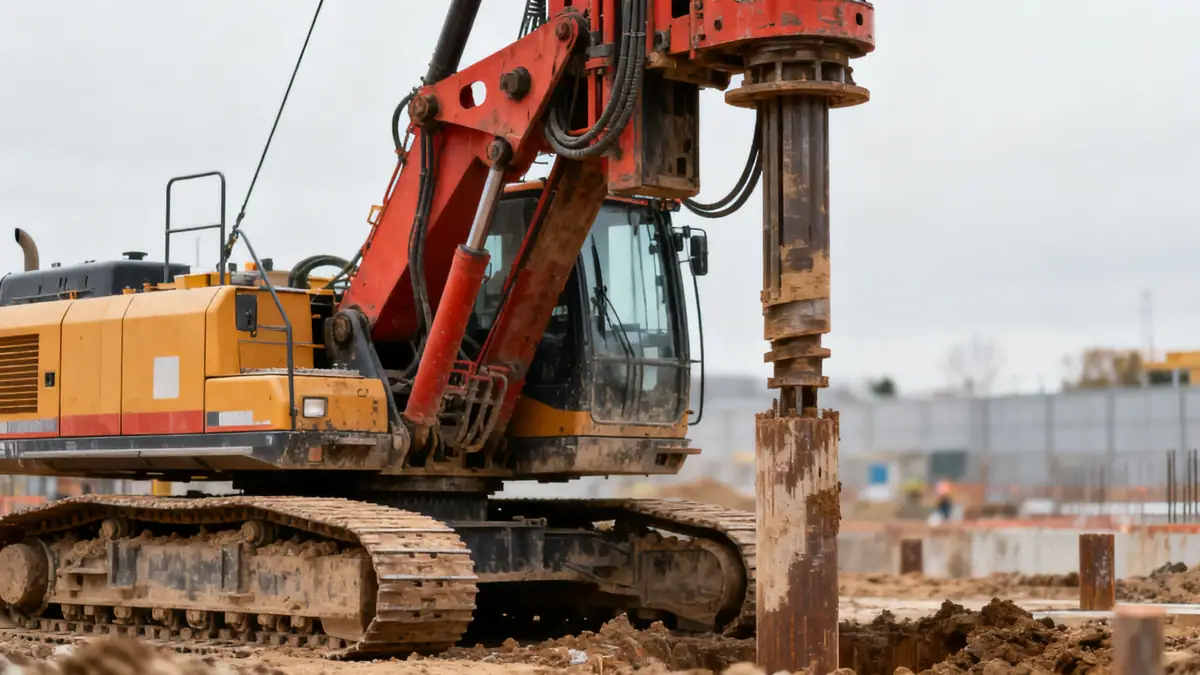
Methodology
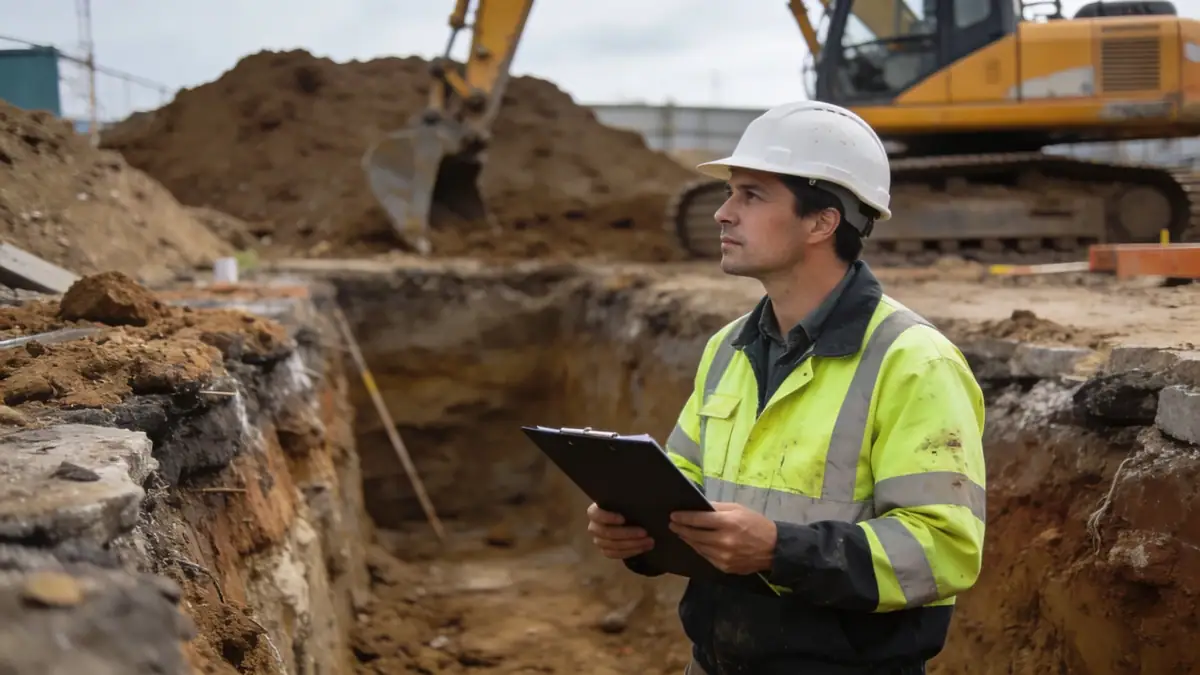
Our methodology for soil mechanics laboratory projects in Orange California begins with a thorough review of site conditions and applicable codes. We follow ASTM D1586 for standard penetration tests, collecting samples at 1.5-meter intervals to depths of up to 30 meters for industrial sites. Field testing includes N60 measurements, with typical values ranging from 4 to 50 blows per foot depending on soil type. Laboratory analysis covers grain size distribution, Atterberg limits, and compaction characteristics. Our team integrates these results with local seismic parameters, such as peak ground acceleration (PGA) of 0.4g, to provide a complete geotechnical profile. For more details, visit our soil mechanics laboratory page.
Reference Technical Parameters
| Parameter | Reference Value |
|---|---|
| Predominant soil type | Alluvial sands and silts with clay layers |
| Maximum seismic acceleration (PGA) | 0.4g (ASCE 7 seismic design category D) |
| Typical groundwater level | 3 to 6 meters below ground surface |
| Bedrock depth | Variable, 15 to 30 meters |
| Typical N60 range (SPT) | 4 to 50 blows per foot |
Local Considerations — Orange California
Orange California's geology is characterized by young alluvial deposits from the Santa Ana River, comprising loose sands, silts, and clays. Groundwater levels are shallow (3-6 m) in many areas, posing liquefaction risks during seismic events. The region is subject to strong ground motions from nearby faults, requiring site-specific response analyses per ASCE 7. Older residential neighborhoods may have undocumented fill, while newer developments often encounter stiff soils at depth. Typical projects include residential foundations and commercial buildings, where soil mechanics laboratory testing is essential for settlement and bearing capacity assessments. For advanced testing, we offer granulometry & atterberg services. Our team also coordinates with the broader soil mechanics laboratory en Los Angeles for regional expertise.
Request a Quote
Our team reviews your project and issues an initial report at no cost.
Or write us directly at [email protected]
Services in Orange California
Applicable Standards
- ASTM D1586
- ASCE 7
- California Building Code (CBC)
- ASTM D2487 (Unified Soil Classification)
Frequently Asked Questions
What types of soil are commonly found in Orange California?
Orange California typically has alluvial deposits of sands, silts, and clays. These soils vary in density and moisture, requiring thorough soil mechanics laboratory testing to evaluate bearing capacity and liquefaction potential.
Is seismic analysis mandatory for projects in Orange California?
Yes, due to high seismic activity, the California Building Code requires site-specific seismic analysis. Soil mechanics laboratory tests provide essential data for calculating peak ground acceleration and soil response spectra.
When is a soil mechanics laboratory study required in Orange California?
Soil mechanics laboratory studies are required for most new construction, additions, and grading projects. Municipalities often mandate geotechnical reports to ensure compliance with local codes and safety standards.