Methodology
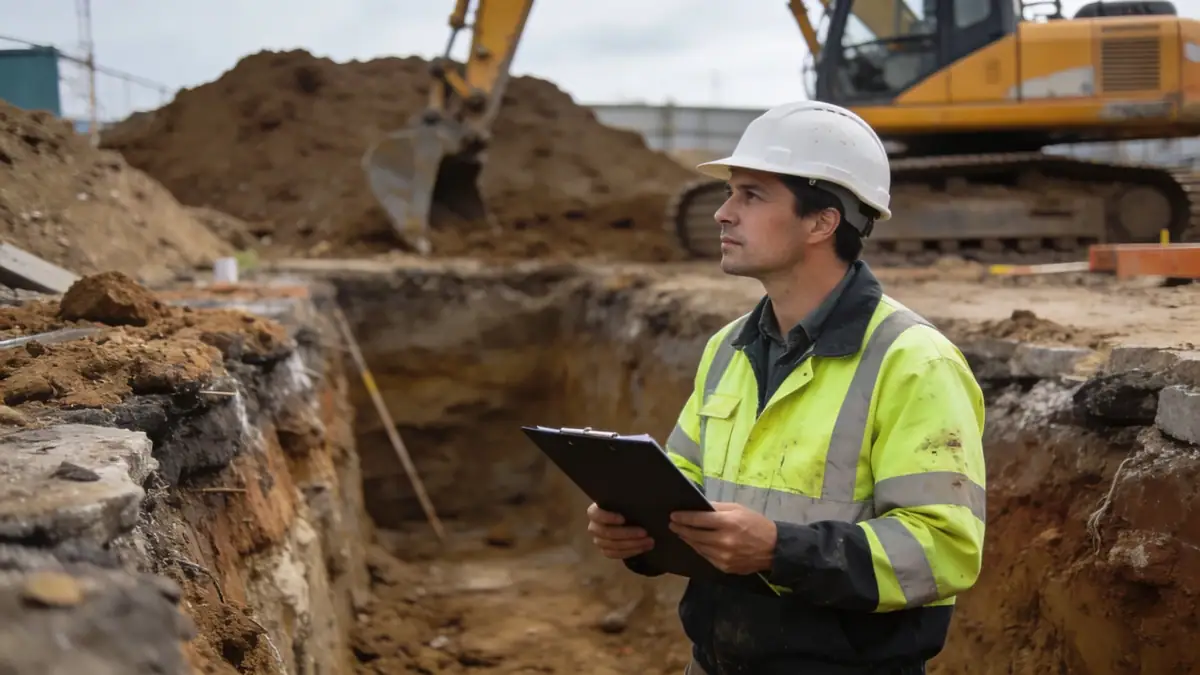
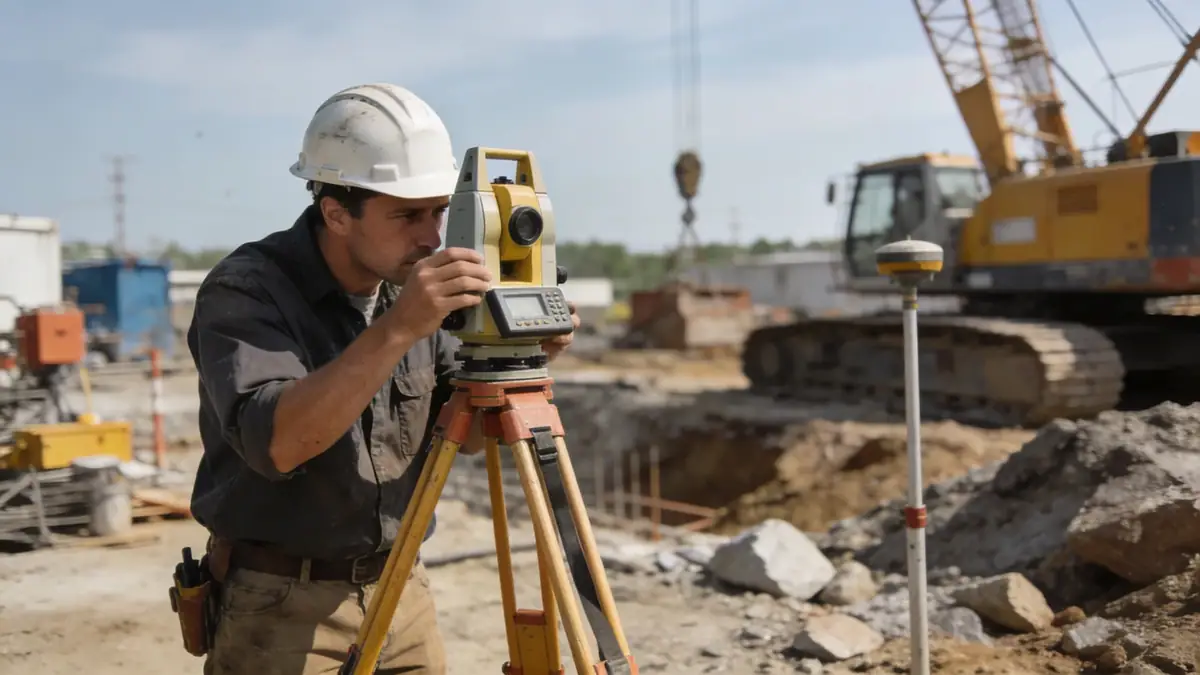
Our methodology for soil mechanics laboratory investigations in Ontario California follows a systematic approach tailored to the region's geological context. We begin with a thorough review of existing geological maps and project specifications to identify potential subsurface hazards. Field exploration, including standard penetration testing (SPT) per ASTM D1586 and undisturbed sampling, is conducted at strategically located boreholes. Laboratory analyses, such as granulometry & atterberg testing, provide critical data on soil classification and plasticity. Our soil mechanics laboratory integrates these findings to develop comprehensive geotechnical reports. This structured process ensures that foundation designs are based on accurate, site-specific parameters, mitigating risks associated with settlement, liquefaction, and slope instability.
Reference Technical Parameters
| Parameter | Reference Value |
|---|---|
| Predominant soil type | Sandy silts and clayey sands (alluvial deposits) |
| Maximum seismic acceleration (PGA) | 0.4g to 0.6g (per ASCE 7-16 seismic hazard maps) |
| Typical groundwater level | 15 to 30 feet below ground surface (variable seasonally) |
| Bedrock depth | 50 to 100+ feet (deep alluvial basin) |
| Typical N60 range | 10 to 40 blows per foot (medium dense to dense sands) |
Local Considerations — Ontario California
Ontario California lies within the active San Andreas Fault zone, necessitating rigorous seismic design. The city's alluvial soils, deposited by ancestral rivers from the San Gabriel Mountains, exhibit variable density and compressibility. Groundwater levels fluctuate seasonally, impacting excavation stability and foundation bearing capacity. Older industrial areas may contain undocumented fill, requiring careful investigation. Our team adapts testing programs to these local conditions, referencing standards such as ASTM D1586 for SPT and the California Building Code. For broader regional context, our soil mechanics laboratory en Los Angeles provides additional insights into similar geological settings across Southern California.
Request a Quote
Our team reviews your project and issues an initial report at no cost.
Or write us directly at [email protected]
Services in Ontario California
Applicable Standards
- ASTM D1586 (Standard Penetration Test)
- ASCE 7-16 (Minimum Design Loads for Buildings)
- California Building Code (CBC) 2022
- ASTM D2487 (Unified Soil Classification System)
- ASTM D422 (Particle-Size Analysis of Soils)
Frequently Asked Questions
What types of soil are commonly found in Ontario California?
The predominant soils in Ontario California are alluvial deposits consisting of sandy silts, clayey sands, and occasional gravel layers. These sediments originate from the San Gabriel Mountains and exhibit variable density and plasticity, requiring careful classification through laboratory testing.
How do seismic regulations in Ontario California affect soil testing?
Ontario California is in a high-seismic zone due to proximity to the San Andreas Fault. The California Building Code mandates site-specific seismic hazard analysis, including determination of peak ground acceleration (PGA) and liquefaction potential. Soil mechanics laboratory testing provides essential parameters for seismic design.
Is a soil mechanics laboratory study mandatory for construction in Ontario California?
For most commercial and multi-family residential projects, a geotechnical investigation is required by local building departments to ensure foundation safety. Single-family homes may also benefit from soil testing, especially in areas with variable subsurface conditions or high seismic risk.