Methodology
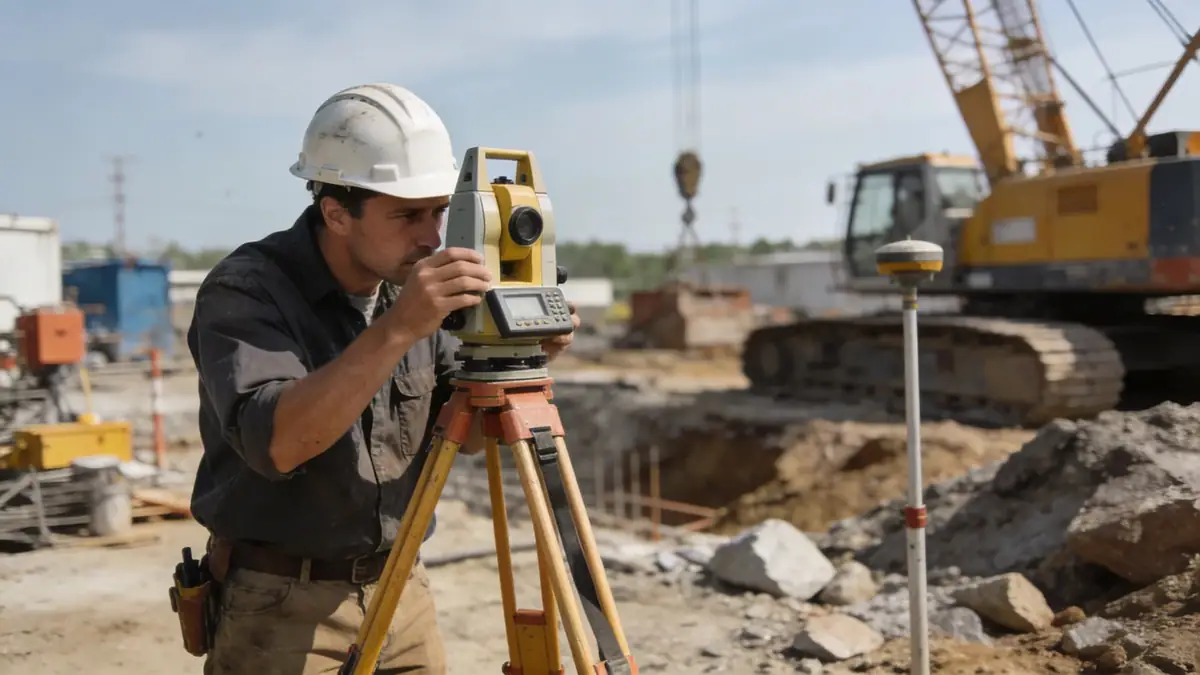
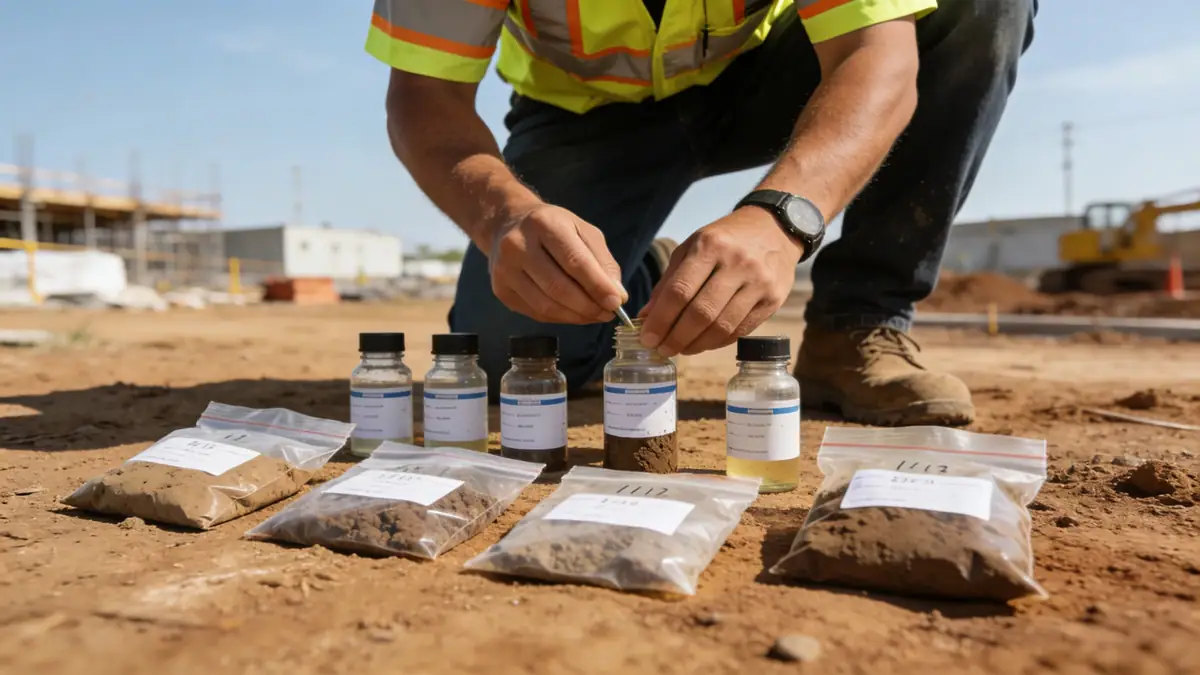
Our methodology for soil mechanics laboratory in Oklahoma City follows ASTM D1586 for standard penetration testing, ensuring representative soil sampling at 1.0–1.5 m intervals. We integrate continuous CPT soundings and test pits for shallow investigations. Laboratory tests include grain size distribution (ASTM D6913), Atterberg limits, and consolidation testing (ASTM D2435) to characterize compressibility. For seismic design, we evaluate site class per ASCE 7, using shear wave velocity correlations. This comprehensive approach delivers reliable parameters for foundation design in Oklahoma City's varied geology.
Reference Technical Parameters
| Parameter | Reference Value |
|---|---|
| Predominant soil type | Clay (CH, CL) and sandstone interbeds |
| Maximum seismic acceleration (PGA) | 0.10–0.15 g (ASCE 7, Site Class D) |
| Typical groundwater level | 3–10 m below surface |
| Bedrock depth | 20–50 m (shallow in NW Oklahoma City) |
| Typical N60 range | 5–25 blows/ft (clay), 20–50 blows/ft (sandstone) |
Local Considerations — Oklahoma City
Oklahoma City's geology is dominated by Permian red beds—claystones, siltstones, and sandstones—with expansive clay soils prone to shrink-swell cycles. Groundwater levels fluctuate seasonally, often within 3–10 m of the surface. Seismic hazard is moderate, with PGA values up to 0.15 g per ASCE 7. Local construction practices must address soil heave in areas like the Paseo District and foundation stability in the Deep Fork River floodplain. Our team integrates these factors into every granulometry & atterberg analysis to mitigate risk. For projects near the Oklahoma River, we recommend deep foundations due to low-bearing alluvium.
Request a Quote
Our team reviews your project and issues an initial report at no cost.
Or write us directly at [email protected]
Services in Oklahoma City
Applicable Standards
- ASTM D1586 (Standard Penetration Test)
- ASCE 7 (Minimum Design Loads and Associated Criteria for Buildings)
- ASTM D2435 (Consolidation Properties of Soils)
- ASTM D6913 (Grain Size Distribution)
- Oklahoma Building Code (IBC-based)
Frequently Asked Questions
What soil types are most common in Oklahoma City?
Oklahoma City primarily features clay soils (CH, CL) and interbedded sandstone layers. Expansive clays are prevalent in the central and northern areas, while sandstones dominate the western suburbs. Proper identification via Atterberg limits is essential for foundation design.
Does Oklahoma City have seismic requirements for soil mechanics studies?
Yes. Per ASCE 7, Oklahoma City falls in Seismic Design Category B or C, with PGA values of 0.10–0.15 g. Site class determination (A–F) is mandatory for commercial projects. Our laboratory provides shear wave velocity testing (ASTM D7400) to classify sites accurately.
Are geotechnical investigations mandatory for residential construction in Oklahoma City?
While not always required by code, we strongly recommend them for slab-on-grade foundations on expansive clays. Many local jurisdictions mandate soil reports for subdivisions or multi-family units. Early investigation prevents costly repairs from differential settlement.