Methodology
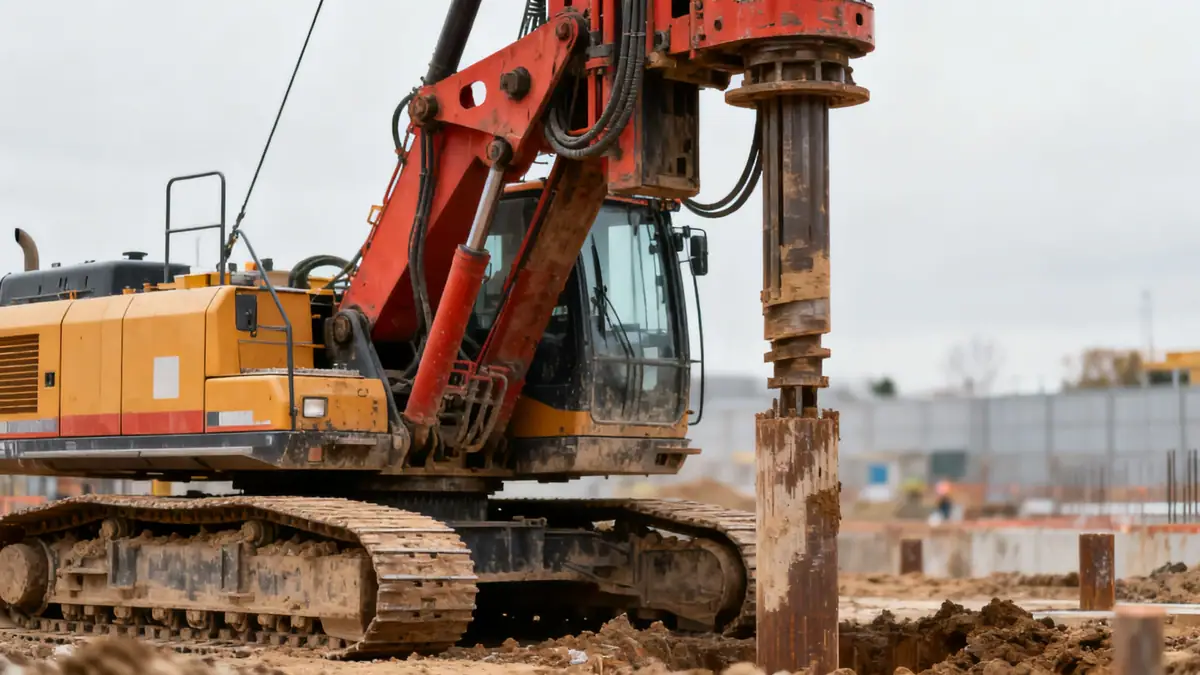
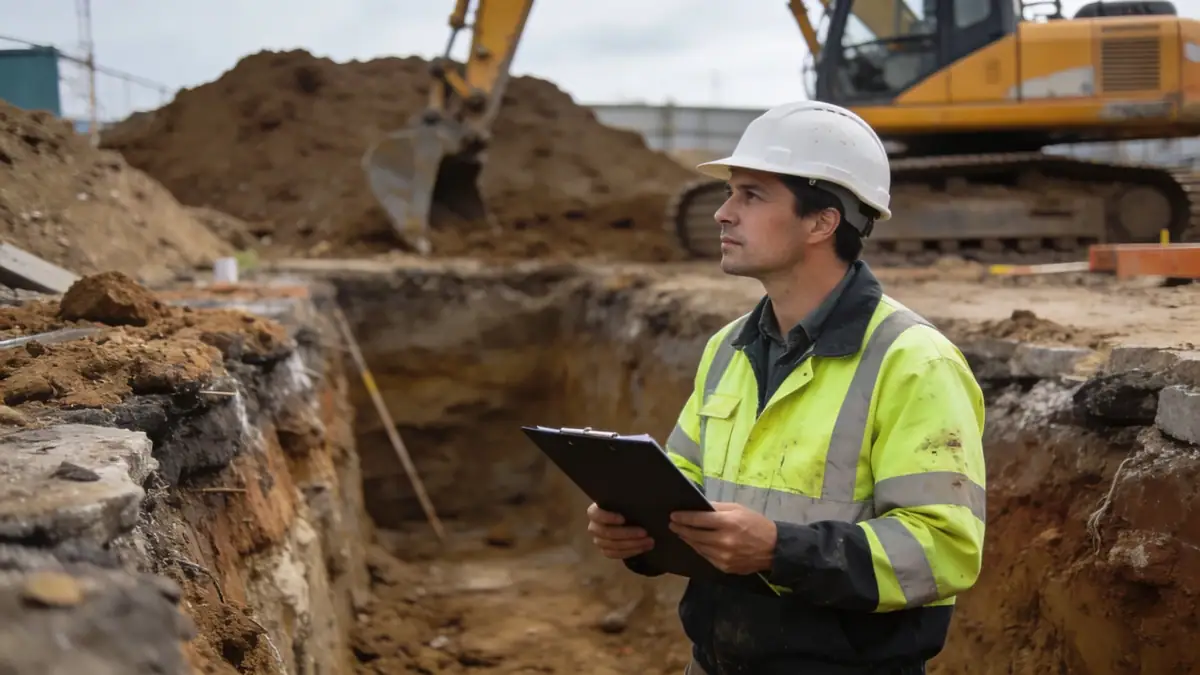
Our approach to soil mechanics laboratory in North Las Vegas integrates field exploration and laboratory testing per ASTM D1586. We perform standard penetration tests (SPT) at 1.5 m intervals to depths of 15–30 m, depending on project scale. Samples are analyzed for grain size distribution, Atterberg limits, and compaction characteristics using soil mechanics laboratory protocols. This data supports foundation design and seismic site classification. Our methodologies are calibrated to local alluvial soils, providing reliable parameters for shallow and deep foundations.
Reference Technical Parameters
| Parameter | Reference Value |
|---|---|
| Predominant soil type | Silty sands (SM) and gravelly sands (SP) with cobbles |
| Maximum seismic acceleration (PGA) | 0.3g to 0.4g (Site Class D typical) |
| Typical groundwater level | >15 m depth (deep; arid conditions) |
| Bedrock depth | 30–60 m (alluvial basin) |
| Typical N60 range | 10–30 blows/0.3m (medium dense to dense) |
Local Considerations — North Las Vegas
North Las Vegas lies within the Basin and Range province, characterized by alluvial fan deposits from the Las Vegas Range. Soils are predominantly silty sands and gravels with low plasticity, often containing caliche layers. The water table is deep (>15 m), reducing liquefaction risk but requiring deep excavations for basements. Seismic hazard is moderate, with peak ground accelerations up to 0.4g due to nearby faults (e.g., Eglington fault). Older neighborhoods near downtown may have undocumented fills, while newer developments in the northwest require cut-and-fill compaction testing. Our team applies local knowledge from our granulometry & atterberg analyses to address these conditions. For broader regional context, we coordinate with our soil mechanics laboratory en Los Angeles office.
Request a Quote
Our team reviews your project and issues an initial report at no cost.
Or write us directly at [email protected]
Services in North Las Vegas
Applicable Standards
- ASTM D1586 (Standard Penetration Test)
- IBC 2021 (International Building Code)
- Nevada Revised Statutes Chapter 623 (Engineering)
- ASCE 7-22 (Seismic Loads)
Frequently Asked Questions
What soil types are common in North Las Vegas?
The predominant soils are silty sands (SM) and gravelly sands (SP) from alluvial deposits. These soils have low plasticity and moderate density, with N60 values typically ranging from 10 to 30 blows per foot. Caliche layers may be encountered at shallow depths.
What seismic design criteria apply in North Las Vegas?
North Las Vegas falls under Seismic Design Category C per IBC 2021, with a peak ground acceleration (PGA) of 0.3g to 0.4g. Site classification typically results in Site Class D (stiff soil). Structures must comply with ASCE 7-22 seismic provisions.
Is a geotechnical study mandatory for construction in North Las Vegas?
Yes, for most commercial and multi-family projects. The Nevada Revised Statutes and local building codes require a geotechnical investigation to determine soil bearing capacity, settlement, and seismic site class. Single-family homes on undisturbed sites may be exempt, but recommended.