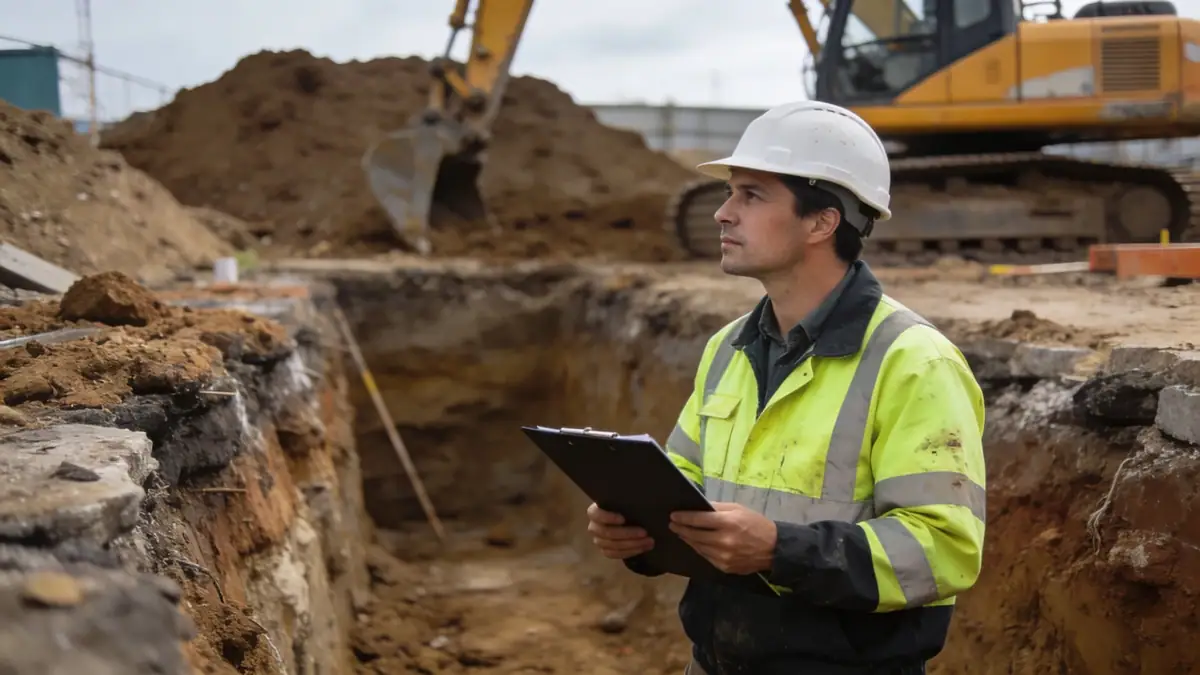
Methodology
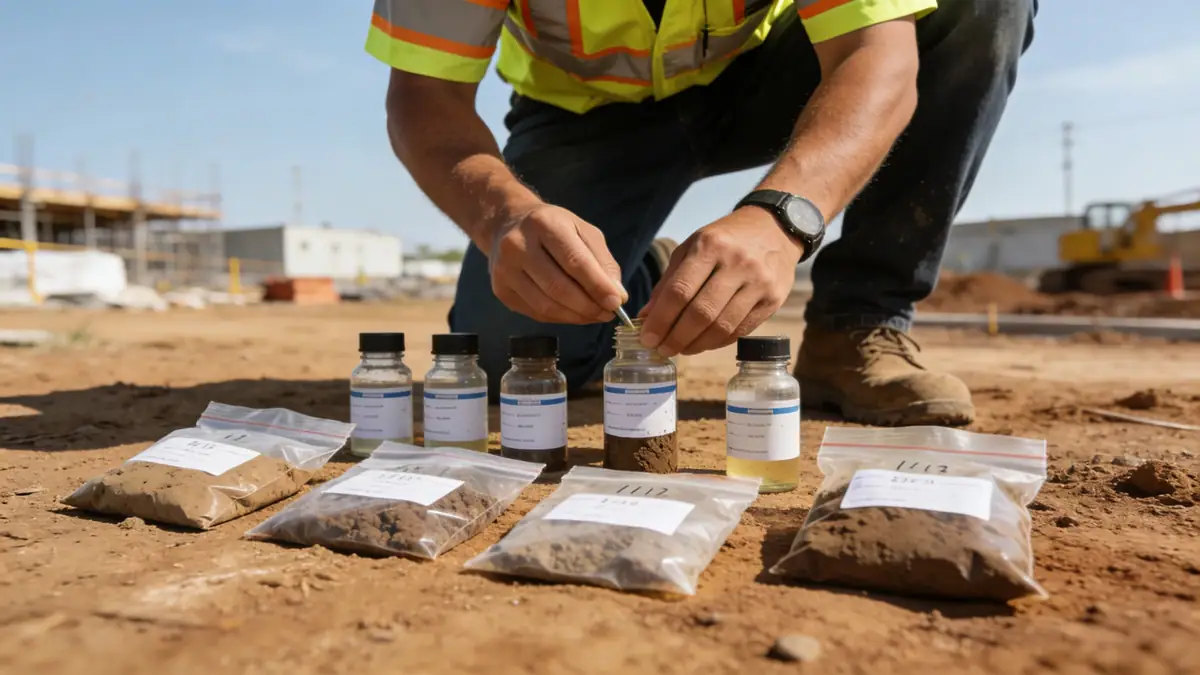
Our methodology for soil mechanics laboratory in Norfolk integrates field and laboratory testing following ASTM standards, such as ASTM D1586 for Standard Penetration Tests. We conduct site investigations to characterize subsurface conditions, including soil stratification, groundwater levels, and engineering properties. Our team employs advanced techniques to deliver reliable data for foundation design, slope stability, and earthwork projects. For detailed service offerings, visit our soil mechanics laboratory page.
Reference Technical Parameters
| Parameter | Reference Value |
|---|---|
| Predominant soil type | Soft clay and silty sand |
| Maximum seismic acceleration (PGA) | 0.15g (ASCE 7-16) |
| Typical groundwater level | 1–3 m below ground surface |
| Bedrock depth | >30 m (Yorktown Formation) |
| Typical N60 range | 4–15 (clay); 10–30 (sand) |
Local Considerations — Norfolk
Norfolk's geology is dominated by Quaternary marine and estuarine deposits, including soft clays, silts, and sands, often overlying the Tertiary Yorktown Formation. The water table is typically shallow, within 1-3 meters of the surface, requiring dewatering considerations. Seismic hazard is moderate, with peak ground acceleration (PGA) of 0.15g per ASCE 7-16. Urban areas show variable fill and compressible soils, while coastal zones feature loose sands prone to liquefaction. Our team integrates these factors for reliable recommendations. For complementary services, see granulometry & atterberg.
Request a Quote
Our team reviews your project and issues an initial report at no cost.
Or write us directly at [email protected]
Services in Norfolk
Applicable Standards
- ASTM D1586
- ASCE 7-16
- Virginia Uniform Statewide Building Code (USBC)
- ASTM D2487 (Unified Soil Classification System)
Frequently Asked Questions
What soil types are commonly found in Norfolk?
Norfolk's subsurface typically consists of soft marine clays, silty sands, and occasional peat layers. These deposits are part of the Quaternary coastal plain, requiring careful evaluation for foundation design due to compressibility and variable strength.
Are seismic considerations important for soil mechanics in Norfolk?
Yes, Norfolk is in a moderate seismic zone with PGA of 0.15g per ASCE 7-16. Soil liquefaction potential in loose sands and soft clays must be assessed for critical structures, especially near waterways.
Is a soil mechanics laboratory study mandatory for construction in Norfolk?
While not always mandatory for all projects, the Virginia USBC requires geotechnical investigations for certain structures. Our firm recommends studies for any significant development to mitigate risks from soft soils and high water tables.