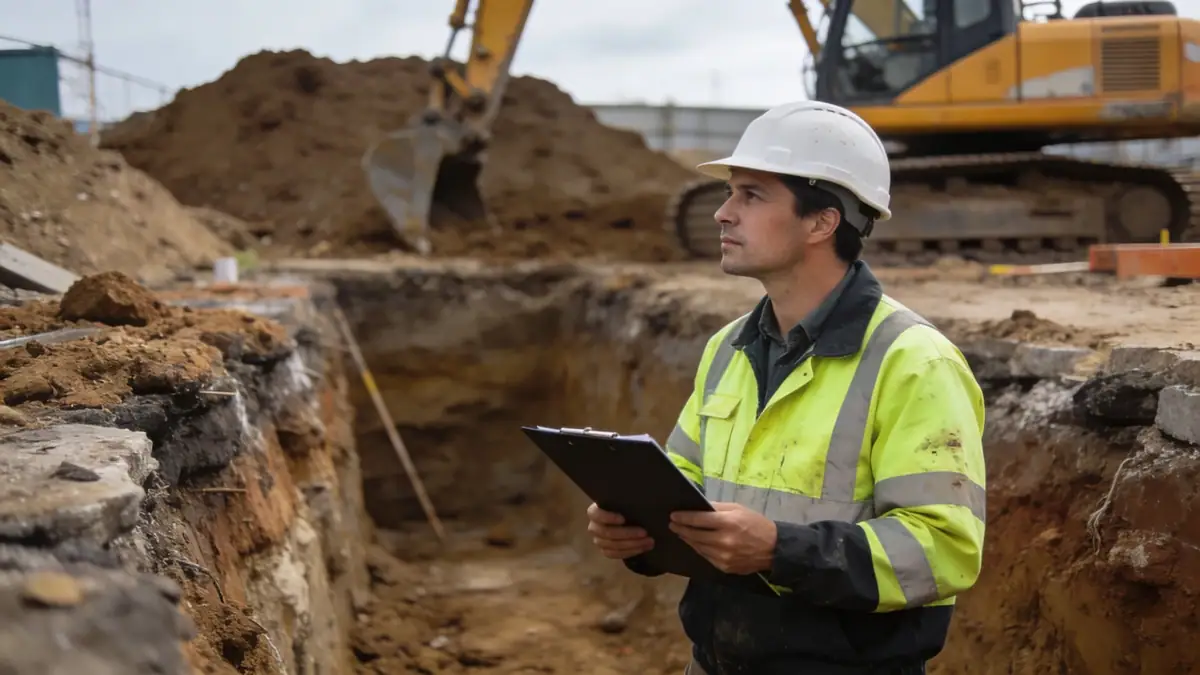
Methodology
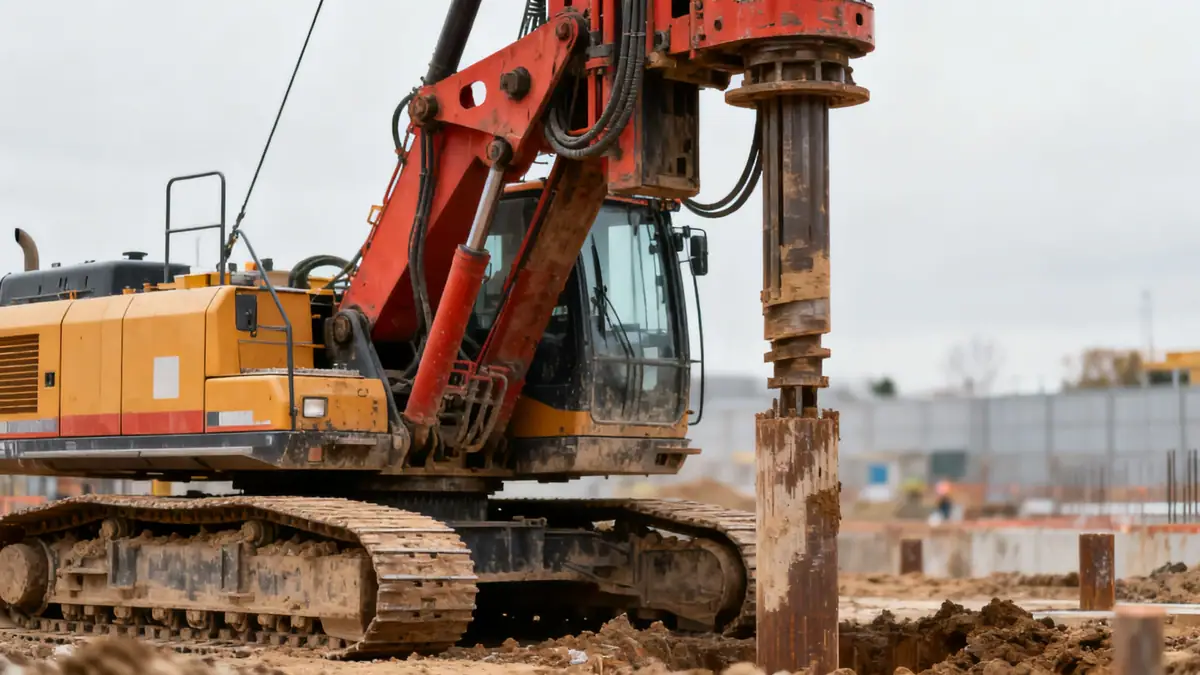
Our methodology for Murfreesboro projects begins with a comprehensive desk study of NRCS soil surveys and USGS surficial geology maps. We then perform a targeted field investigation using SPT borings per ASTM D1586, typically advanced to refusal or 30 m. Samples undergo classification, moisture-density relations, and strength testing at our accredited laboratory. The resulting geotechnical model is calibrated against local experience, ensuring recommendations reflect actual site conditions. For more on our approach, visit our soil mechanics laboratory page.
Reference Technical Parameters
| Parameter | Reference Value |
|---|---|
| Predominant soil type | Clayey silt to silty clay (CL-ML) overlying limestone bedrock |
| Maximum seismic acceleration (PGA) | 0.15g to 0.20g (ASCE 7-16, Site Class D) |
| Typical groundwater level | 3 to 8 m below grade, perched in clay layers |
| Bedrock depth | Variable, from 2 m (downtown) to >30 m (southeast) |
| Typical N60 range | 4–12 in clay, 20–50 in residual silt/sand |
Local Considerations — Murfreesboro
Murfreesboro's geology is dominated by the Nashville Basin, underlain by Ordovician limestone. Soils are primarily residual clays with high plasticity (PI > 20), prone to volume changes with moisture. Shallow rock is common near the city center, while the southeastern corridor (Smyrna Road) features thick alluvial deposits. Seismic site classification per ASCE 7 typically falls as Site Class D due to soft clay profiles. Our firm has addressed foundation heave in the Barfield area and sinkhole potential near the Stones River. For detailed laboratory services, see our granulometry & atterberg page.
Request a Quote
Our team reviews your project and issues an initial report at no cost.
Or write us directly at [email protected]
Services in Murfreesboro
Applicable Standards
- ASTM D1586 (Standard Penetration Test)
- ASCE 7-16 (Minimum Design Loads for Buildings)
- IBC 2021 (International Building Code)
- ASTM D2487 (Unified Soil Classification System)
Frequently Asked Questions
What soil types are most common in Murfreesboro?
The predominant soils are residual clayey silts and silty clays derived from limestone weathering. These soils often exhibit moderate to high plasticity and can be prone to shrink-swell behavior. Sandy or gravelly layers are less common but may be encountered near creek beds.
Does Murfreesboro have specific seismic design requirements?
Yes, Murfreesboro lies in a moderate seismic zone. The International Building Code references ASCE 7-16 with a mapped maximum considered earthquake (MCE) spectral response acceleration of about 0.15–0.20g for short periods. Site-specific soil amplification factors must be determined per Chapter 20 of ASCE 7.
Are soil mechanics laboratory studies mandatory for construction in Murfreesboro?
While not always legally required for single-family residences, most commercial and multi-family projects require a geotechnical report per IBC Section 1803. Local building officials often request documentation of soil bearing capacity and settlement analysis. Our firm provides these studies to ensure code compliance.