Methodology
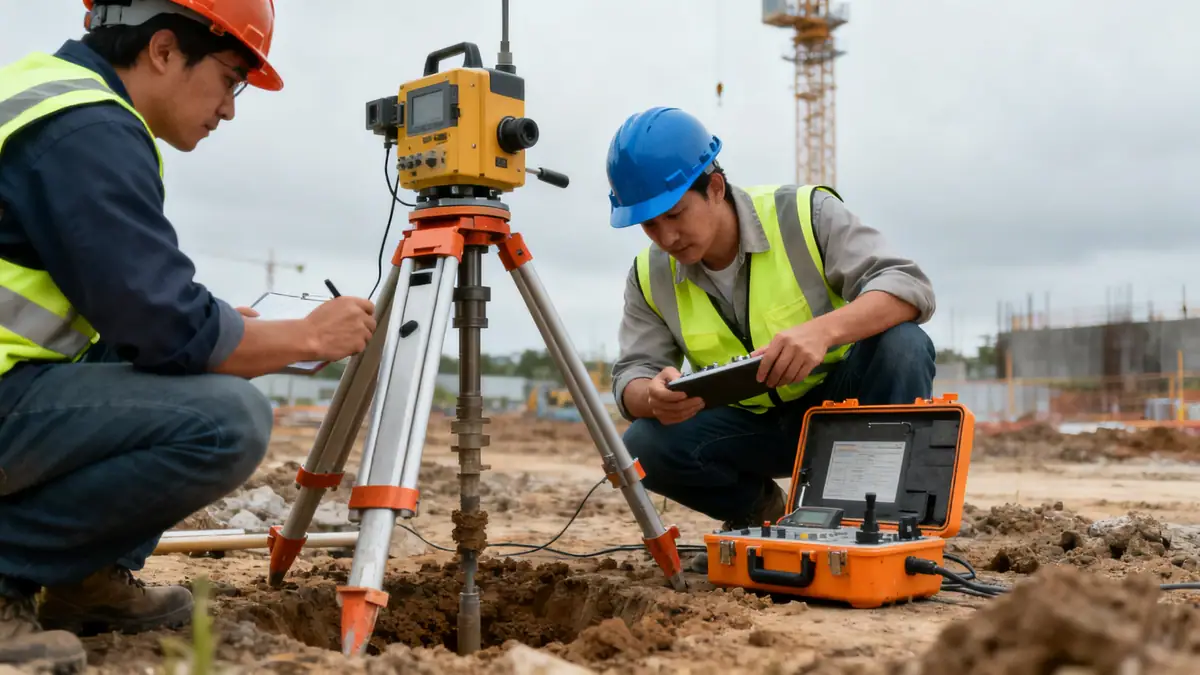
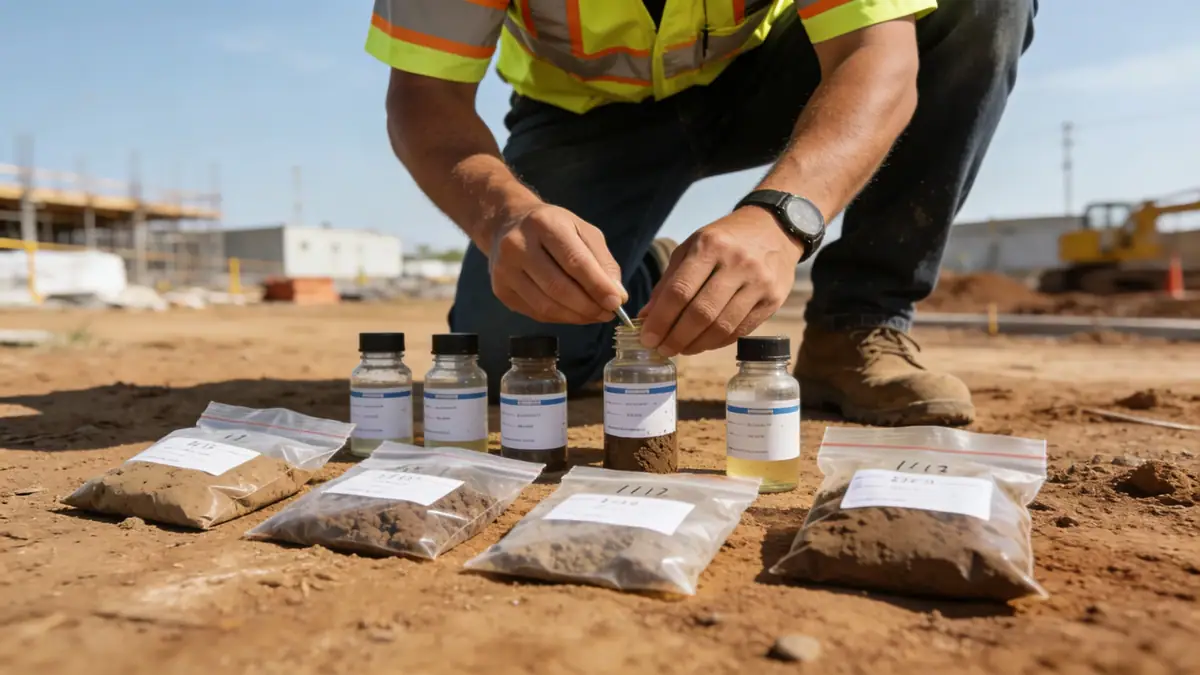
Our approach to soil mechanics laboratory in Moreno Valley follows strict industry standards. We perform soil borings using hollow-stem augers, sampling at 1.5-meter intervals per ASTM D1586. The soil mechanics laboratory analyzes samples for classification, strength, and consolidation properties. We also conduct in-situ tests like Standard Penetration Test (SPT) to determine N60 values, typically ranging from 10 to 40 blows per foot in this area. Our methodology ensures representative data for foundation design, considering local seismic conditions and groundwater levels.
Reference Technical Parameters
| Parameter | Reference Value |
|---|---|
| Predominant soil type | Alluvial sands, silts, and clays with gravel lenses |
| Maximum seismic acceleration (PGA) | 0.5g (per ASCE 7 Site Class D) |
| Typical groundwater level | 6–15 m below grade, variable seasonally |
| Bedrock depth | >30 m (deep alluvial basin) |
| Typical N60 range | 10–40 blows/ft |
Local Considerations — Moreno Valley
Moreno Valley sits on deep alluvial deposits from the San Jacinto River, with sandy and silty soils over clay layers. Groundwater is generally deep (>6 m), but localized perched water may occur near the river. Seismic hazard is moderate to high due to nearby San Jacinto and San Andreas faults, requiring site-specific response analysis per ASCE 7. The eastern areas tend to have denser sands (N60 >30), while western areas show softer clays (N60 <15). Typical projects include warehouse foundations and residential subdivisions. Our team coordinates with local geologists and engineers, leveraging our granulometry & atterberg services to classify soils accurately. For regional reference, see our soil mechanics laboratory en Los Angeles page.
Request a Quote
Our team reviews your project and issues an initial report at no cost.
Or write us directly at [email protected]
Services in Moreno Valley
Applicable Standards
- ASTM D1586 (Standard Penetration Test)
- ASCE 7 (Minimum Design Loads for Buildings and Other Structures)
- California Building Code (CBC) Chapter 18
- ASTM D2487 (Unified Soil Classification System)
Frequently Asked Questions
What soil types are common in Moreno Valley?
Soils in Moreno Valley are primarily alluvial sands, silts, and clays deposited by the San Jacinto River. Gravel lenses are present in some areas. The western part has softer clays, while the east has denser sands.
Does Moreno Valley have seismic design requirements?
Yes, Moreno Valley is in a high seismic zone due to the San Jacinto and San Andreas faults. Site-specific ground motion analysis per ASCE 7 is often required, especially for critical structures.
Are geotechnical studies mandatory for construction in Moreno Valley?
For most building permits, the California Building Code requires a geotechnical investigation. This is especially true for commercial, multi-family, and hillside projects to ensure safety against settlement and seismic hazards.