Methodology
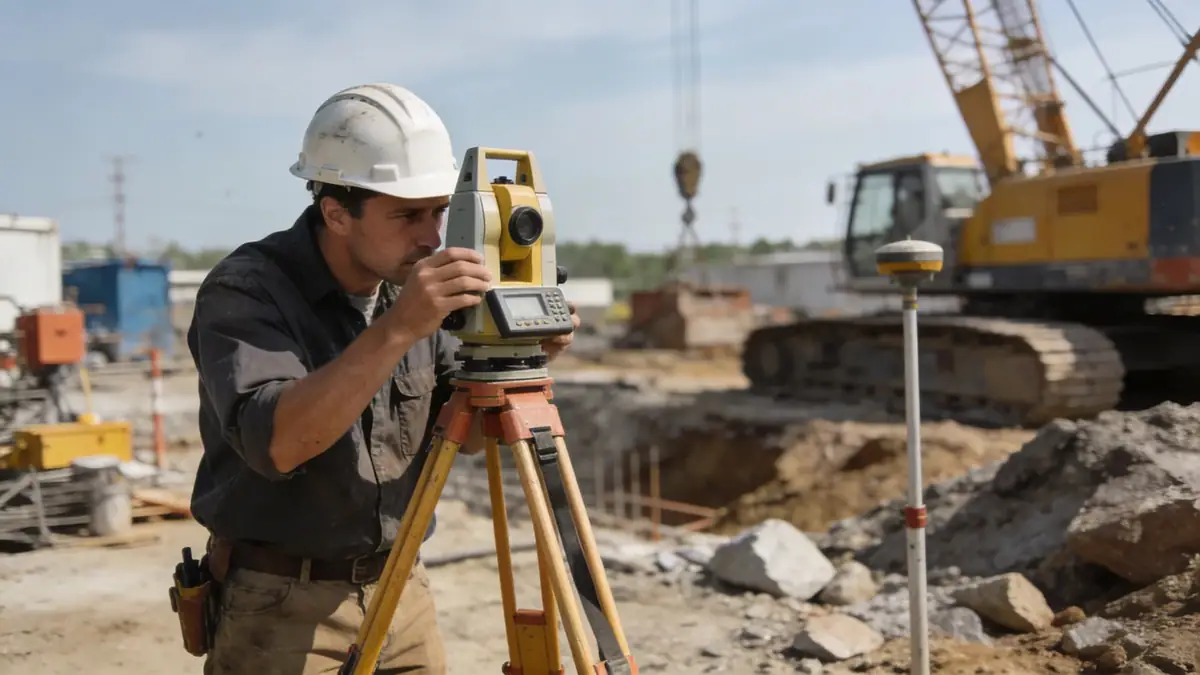
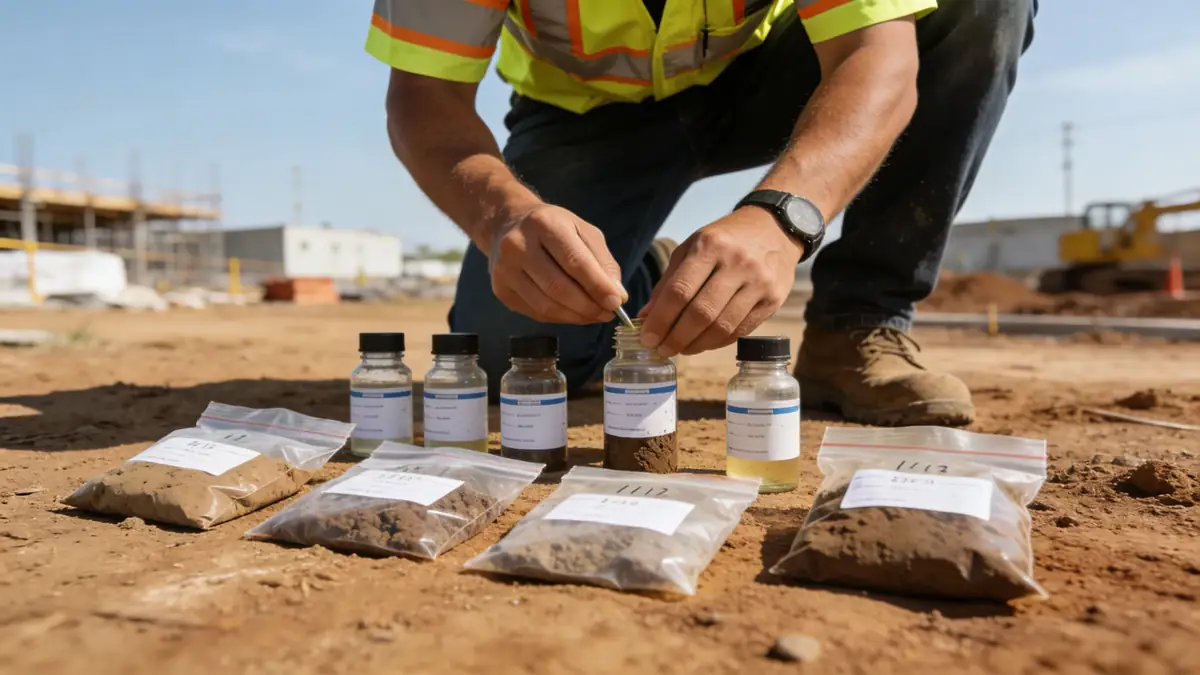
Our methodology for soil mechanics laboratory work in Modesto integrates standardized field sampling and advanced laboratory testing to characterize subsurface conditions thoroughly. We perform Standard Penetration Tests (SPT) per ASTM D1586 at 1.0–1.5 m intervals to obtain N60 values and undisturbed samples. In clay-rich zones, we augment with Cone Penetration Tests (CPT) for continuous stratigraphic profiling. Laboratory testing includes grain size analysis, Atterberg limits, and compaction tests to classify soils and assess their engineering properties. Our approach ensures compliance with local building codes and provides reliable data for foundation and earthwork design. For detailed service information, visit our soil mechanics laboratory page.
Reference Technical Parameters
| Parameter | Reference Value |
|---|---|
| Predominant soil type | Alluvial silty clay and sandy loam |
| Maximum seismic acceleration (PGA) | 0.4g (ASCE 7-16) |
| Typical groundwater level | 3–6 m below surface |
| Bedrock depth | >30 m (deep alluvium) |
| Typical N60 range | 5–25 blows/ft |
Local Considerations — Modesto
Modesto's geology is dominated by Quaternary alluvial deposits from the Tuolumne River and Dry Creek, creating a heterogeneous subsurface with interbedded sands, silts, and clays. The region sits within Seismic Zone 4 per ASCE 7, with a maximum considered earthquake acceleration of 0.4g, necessitating rigorous liquefaction and settlement analyses for critical structures. Groundwater typically resides 3–6 m deep, fluctuating seasonally. In older downtown areas, undocumented fill and buried utilities complicate foundation design. For projects requiring specialized testing, our granulometry & atterberg services provide essential soil classification data. Additionally, our main hub offers insights into regional practices: soil mechanics laboratory en Los Angeles.
Request a Quote
Our team reviews your project and issues an initial report at no cost.
Or write us directly at [email protected]
Services in Modesto
Applicable Standards
- ASTM D1586 (Standard Penetration Test)
- ASCE 7-16 (Minimum Design Loads for Buildings and Other Structures)
- California Building Code (CBC) 2022
- ASTM D2487 (Unified Soil Classification System)
Frequently Asked Questions
What are the typical soil types encountered in Modesto?
Modesto's subsurface primarily consists of Quaternary alluvial deposits, including silty clays, sandy loams, and occasional gravel lenses. These soils often exhibit variable plasticity and compressibility, requiring site-specific laboratory testing to determine their engineering properties.
How does seismic activity affect foundation design in Modesto?
Modesto lies in a high-seismic region with a PGA of 0.4g per ASCE 7-16. Soils are susceptible to liquefaction during strong shaking, particularly in areas with shallow groundwater. Geotechnical investigations must assess liquefaction potential and recommend mitigation measures such as deep foundations or soil improvement.
Are geotechnical studies mandatory for building permits in Modesto?
The California Building Code requires geotechnical investigations for most new construction and significant renovations, especially in Seismic Zone 4. Local authorities may also mandate reports for additions, retaining walls, and pavement projects to ensure public safety and structural integrity.