Methodology
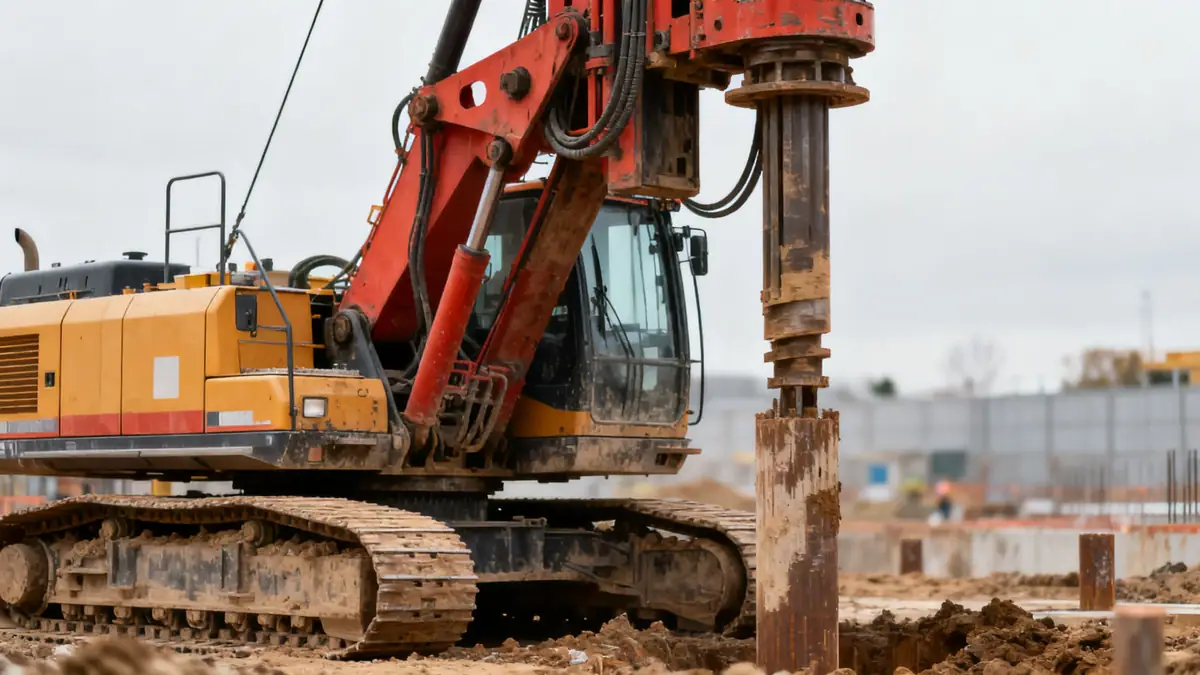
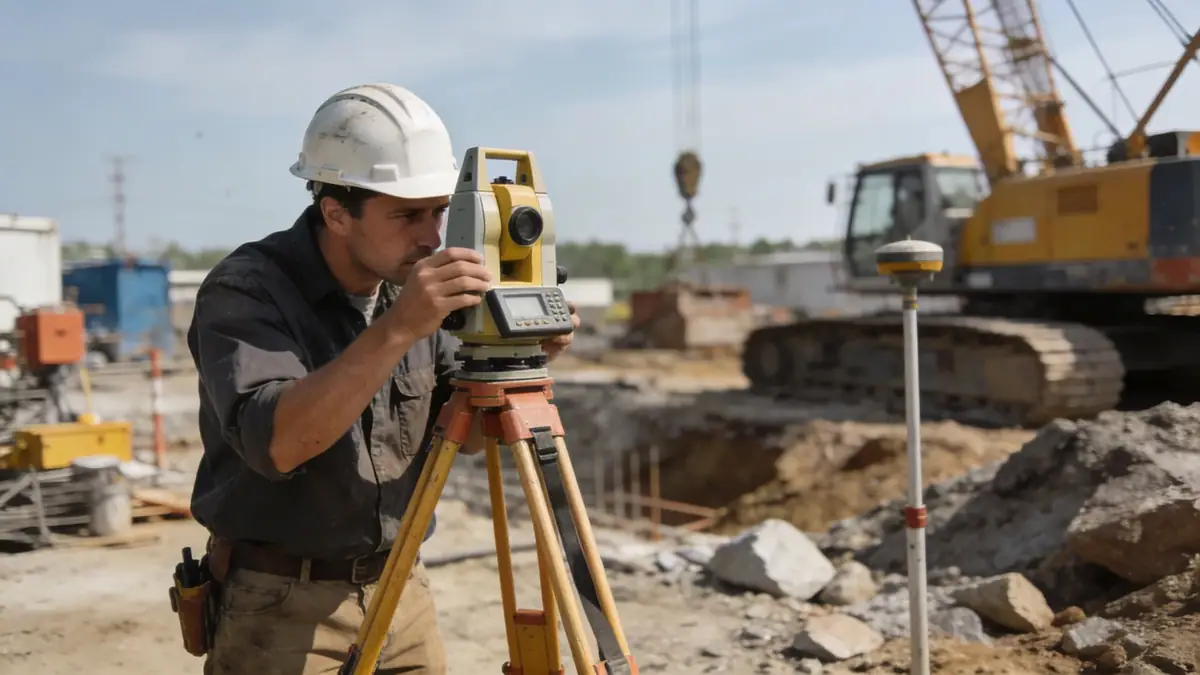
Our approach to soil mechanics laboratory in Mckinney Texas follows standardized field and laboratory procedures to characterize subsurface conditions accurately. Field investigations include standard penetration testing (SPT) per ASTM D1586 at intervals of 1.0 to 1.5 meters, with typical depths ranging from 8 to 15 meters for residential projects and up to 30 meters for industrial structures. We also employ cone penetration testing (CPT) for continuous profiling when required. In the laboratory, we conduct index properties testing, including natural moisture content, Atterberg limits, and grain size distribution. For detailed information on our soil mechanics laboratory capabilities, please refer to the dedicated page. Our team integrates these results with local geological knowledge to provide actionable recommendations for foundation design and site preparation.
Reference Technical Parameters
| Parameter | Reference Value |
|---|---|
| Predominant soil type | Expansive clay (vertisol) with interbedded sand lenses |
| Maximum seismic acceleration (PGA) | 0.10g to 0.15g (ASCE 7-16) |
| Typical groundwater level | 5 to 15 meters below ground surface |
| Bedrock depth | 10 to 50 meters (shale and limestone) |
| Typical N60 range (SPT) | 5 to 25 blows per 0.3 m (clay); 10 to 40 (sand) |
Local Considerations — Mckinney Texas
Mckinney Texas lies within the Blackland Prairie region, underlain by Cretaceous-age shale and limestone formations. The predominant soils are high-plasticity clays (CH) that exhibit significant volumetric changes with moisture variations, posing risks to shallow foundations and pavements. Seasonal drought and heavy rainfall cycles exacerbate these movements. Seismic hazard is moderate, with peak ground accelerations of 0.10g to 0.15g per ASCE 7. Groundwater is generally deep but can be encountered in localized sand seams. New developments often require deep foundations or soil modification to mitigate shrink-swell behavior. For comprehensive geotechnical support, our granulometry & atterberg services are frequently utilized in conjunction with site-specific studies. Our experience across Mckinney Texas includes residential subdivisions, commercial centers, and municipal projects, all requiring tailored solutions based on precise soil mechanics laboratory data.
Request a Quote
Our team reviews your project and issues an initial report at no cost.
Or write us directly at [email protected]
Services in Mckinney Texas
Applicable Standards
- ASTM D1586 (Standard Penetration Test)
- ASCE 7-16 (Minimum Design Loads for Buildings)
- International Building Code (IBC) 2021
- City of Mckinney Engineering Design Standards
Frequently Asked Questions
What soil types are most common in Mckinney Texas?
The dominant soil type in Mckinney Texas is expansive clay, primarily from the Houston Black and Heiden series. These vertisols have high plasticity and shrink-swell potential, requiring careful evaluation for foundation and pavement design. Sandy loam and alluvial deposits are found near creeks.
Is seismic design required for structures in Mckinney Texas?
Yes, per the International Building Code and ASCE 7, Mckinney Texas falls in seismic design category B to C, with peak ground accelerations of 0.10g to 0.15g. Seismic considerations are mandatory for most buildings, though the hazard is moderate compared to coastal regions.
Are geotechnical studies mandatory for new construction in Mckinney Texas?
While not always legally required for all structures, most local building departments and lenders recommend or require a geotechnical report for new developments, especially for commercial, multi-family, or sites with known problematic soils. A soil mechanics laboratory study helps mitigate risks associated with expansive clays and variable subsurface conditions.