Methodology
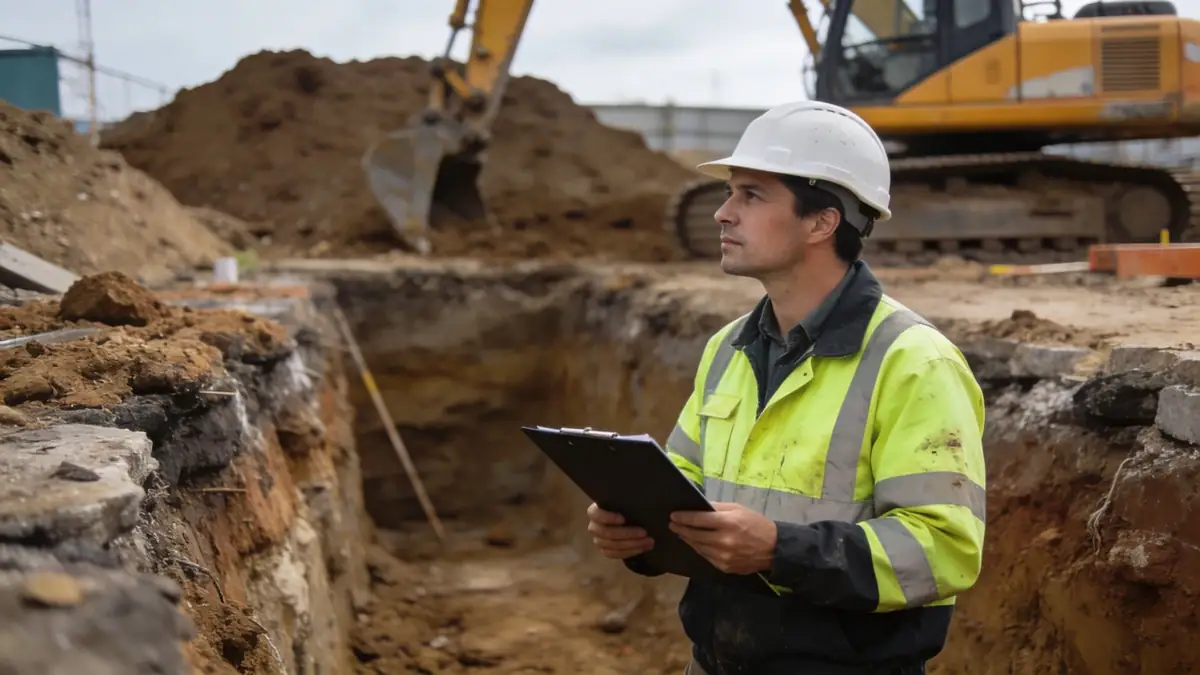
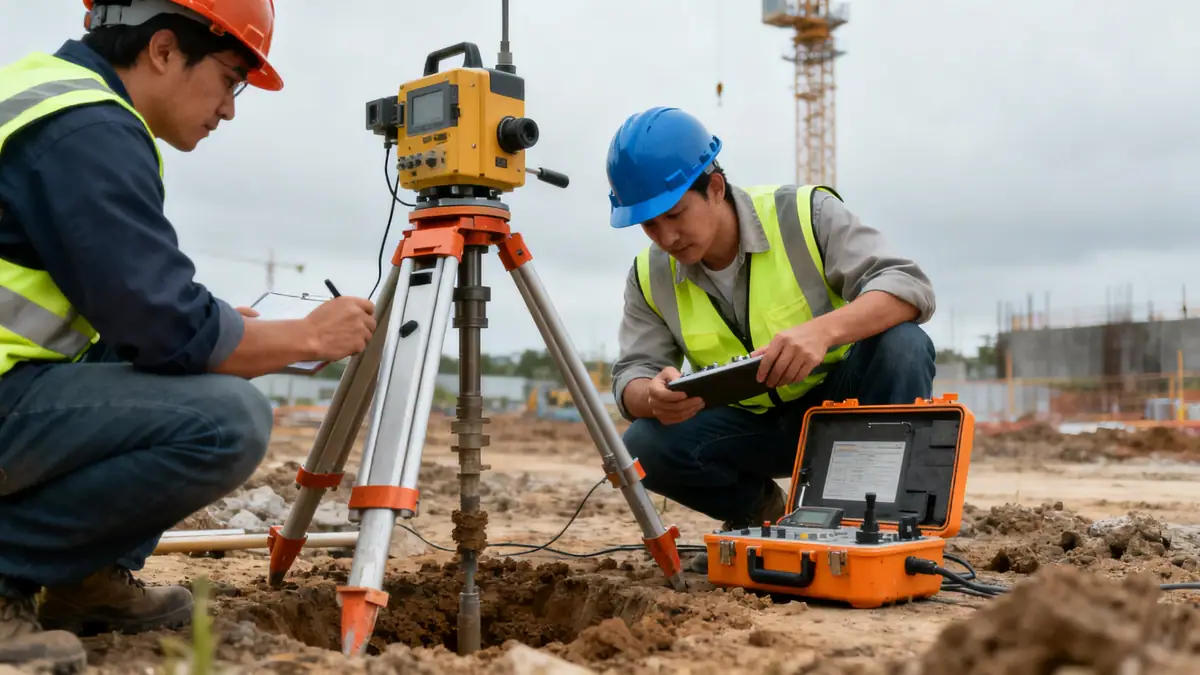
Our approach to soil mechanics laboratory in Long Beach begins with a thorough review of existing geologic maps and nearby project data. We then develop a site-specific exploration plan following ASTM D1586 for Standard Penetration Tests (SPT), typically advancing borings to depths of 15 to 30 meters depending on the proposed structure. In cohesive soils, we collect undisturbed tube samples for laboratory consolidation testing. All field work is supplemented by our in-house laboratory, where we perform index properties, strength, and compaction tests. This integrated methodology ensures that our recommendations for foundation design and earthwork are tailored to the unique subsurface conditions of each Long Beach project. For more details on our general capabilities, visit our soil mechanics laboratory page.
Reference Technical Parameters
| Parameter | Reference Value |
|---|---|
| Predominant Soil Type | Interbedded sands, silts, and clays (San Pedro Formation) |
| Maximum Seismic Acceleration (PGA) | 0.4g (Seismic Zone 4 per CBC) |
| Typical Groundwater Level | 3 to 6 meters below grade |
| Bedrock Depth | Greater than 30 meters (deep alluvial basin) |
| Typical N60 Range (SPT) | 10 to 40 blows per foot (variable by stratum) |
Local Considerations — Long Beach
Long Beach presents several geotechnical challenges that influence our work. The city's coastal location means that many sites are underlain by loose, saturated sands prone to liquefaction during seismic events. In the downtown area, deep fills and former industrial uses require careful assessment of undocumented fill and potential contamination. Conversely, the eastern neighborhoods (e.g., Belmont Shore) feature more competent terrace deposits with lower liquefaction risk. Our experience includes projects requiring deep foundations, ground improvement, and seismic hazard analyses specific to Long Beach. We also frequently coordinate with the City's Building and Safety Department to ensure compliance with local grading ordinances. For a comprehensive view of our regional expertise, see our soil mechanics laboratory en Los Angeles page.
Request a Quote
Our team reviews your project and issues an initial report at no cost.
Or write us directly at [email protected]
Services in Long Beach
Applicable Standards
- ASTM D1586 (Standard Penetration Test)
- California Building Code (CBC) – Seismic Design
- ASCE 7 (Minimum Design Loads for Buildings)
- City of Long Beach Grading and Excavation Code
- ASTM D2487 (Unified Soil Classification System)
Frequently Asked Questions
What soil types are most common in Long Beach?
Long Beach soils are predominantly interbedded sands, silts, and clays of the San Pedro Formation. Coastal areas often have loose, saturated sands, while eastern neighborhoods feature denser terrace deposits. Understanding this variability is key to proper foundation design.
Is seismic analysis required for projects in Long Beach?
Yes. Long Beach is in Seismic Zone 4 with a PGA of 0.4g, so site-specific seismic hazard analysis is mandatory under CBC. This includes liquefaction assessment and determination of site class. Our team routinely performs these evaluations.
Are geotechnical studies mandatory for building permits in Long Beach?
For most commercial and multi-family projects, yes. The City of Long Beach requires a geotechnical report per CBC Chapter 18. Single-family homes on stable lots may be exempt, but a soil investigation is still recommended to identify potential issues.