Methodology
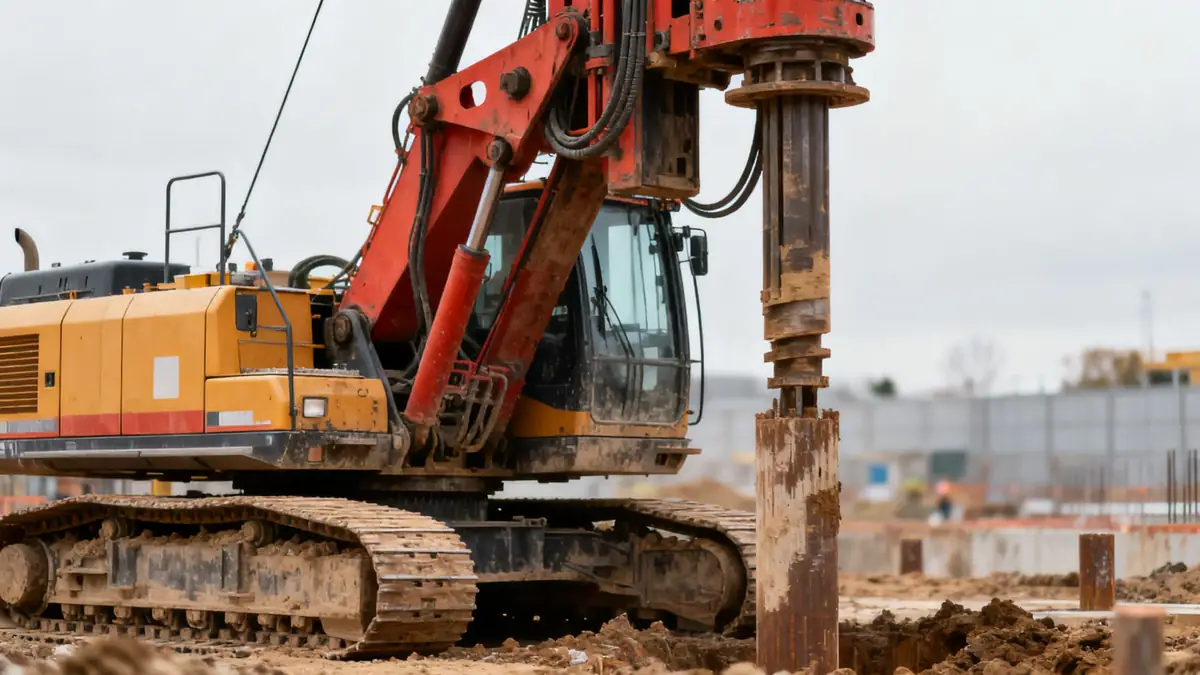
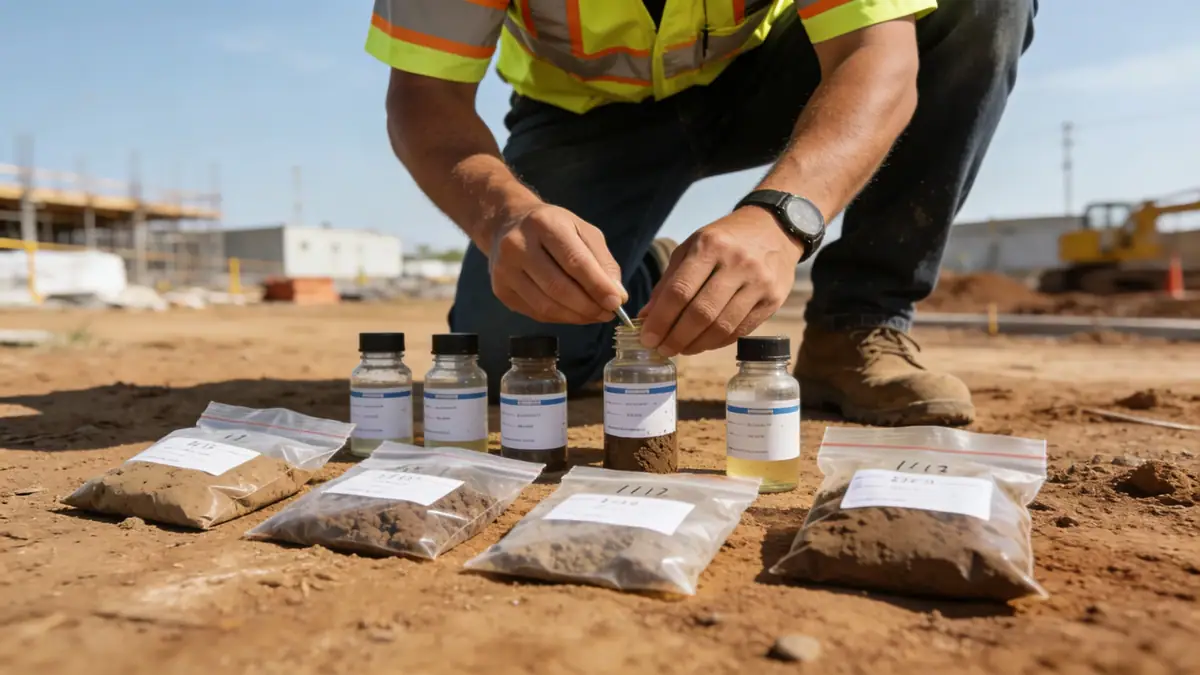
Our methodology for projects in Little Rock begins with a comprehensive review of existing geotechnical data and site-specific geology. We conduct standardized field investigations, including Standard Penetration Tests (SPT) per ASTM D1586, with sampling intervals of 1.0–1.5 meters to characterize soil strata. Laboratory testing follows ASTM protocols for index properties, strength, and consolidation. This approach aligns with our soil mechanics laboratory practices, ensuring data integrity and reproducibility. For all projects, we adhere to ASCE 7 seismic provisions and local building codes, integrating results into rational foundation designs.
Reference Technical Parameters
| Parameter | Reference Value |
|---|---|
| Predominant soil type | Silty sands and clays (alluvial) |
| Maximum seismic acceleration (PGA) | 0.2g (ASCE 7, Site Class D) |
| Typical groundwater level | 3–6 m below surface |
| Bedrock depth | Variable, >30 m in valley areas |
| Typical N60 range (SPT) | 4–15 in upper alluvium |
Local Considerations — Little Rock
Little Rock's alluvial soils pose challenges for shallow foundations due to variable density and high groundwater. In downtown areas, stiff clays from the Smackover Formation may be encountered at depth, while west Little Rock features more competent sands. Seismic site classification per ASCE 7 typically yields Site Class D, requiring site-specific response analyses for critical structures. Our team integrates these factors into recommendations, referencing our granulometry & atterberg testing for fine-grained soil behavior. We also coordinate with local geologists to interpret historic river channel deposits that can affect bearing capacity.
Request a Quote
Our team reviews your project and issues an initial report at no cost.
Or write us directly at [email protected]
Services in Little Rock
Applicable Standards
- ASTM D1586 (Standard Penetration Test)
- ASCE 7 (Minimum Design Loads for Buildings and Other Structures)
- International Building Code (IBC)
- Arkansas State Building Code
Frequently Asked Questions
What are the typical soil conditions in Little Rock for foundation design?
Little Rock's soils are predominantly alluvial silty sands and clays, with variable bearing capacity. Groundwater is typically 3–6 m deep. Seismic site class D is common, requiring careful evaluation of liquefaction potential in saturated sands.
Is a soil mechanics laboratory study mandatory for construction in Little Rock?
While not always legally required for small residential projects, most commercial and multi-story buildings in Little Rock mandate geotechnical investigations per IBC and local codes. Seismic design provisions in ASCE 7 also necessitate site-specific soil data for structures in Seismic Design Category B or higher.
How does seismic risk affect soil testing in Little Rock?
Little Rock is in ASCE 7 Seismic Zone 2, with PGA of 0.2g. Soil mechanics laboratory testing must include shear wave velocity measurements or SPT N-values for site classification. Liquefaction analysis is critical for saturated sandy soils, especially near the Arkansas River.