Methodology
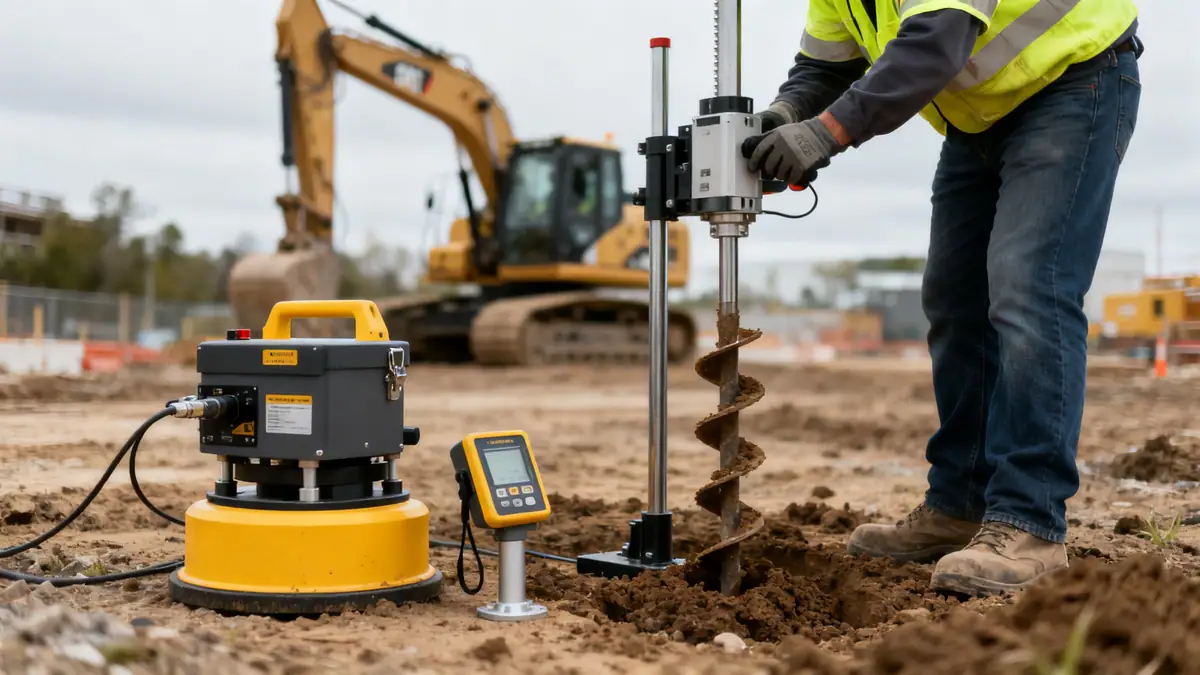
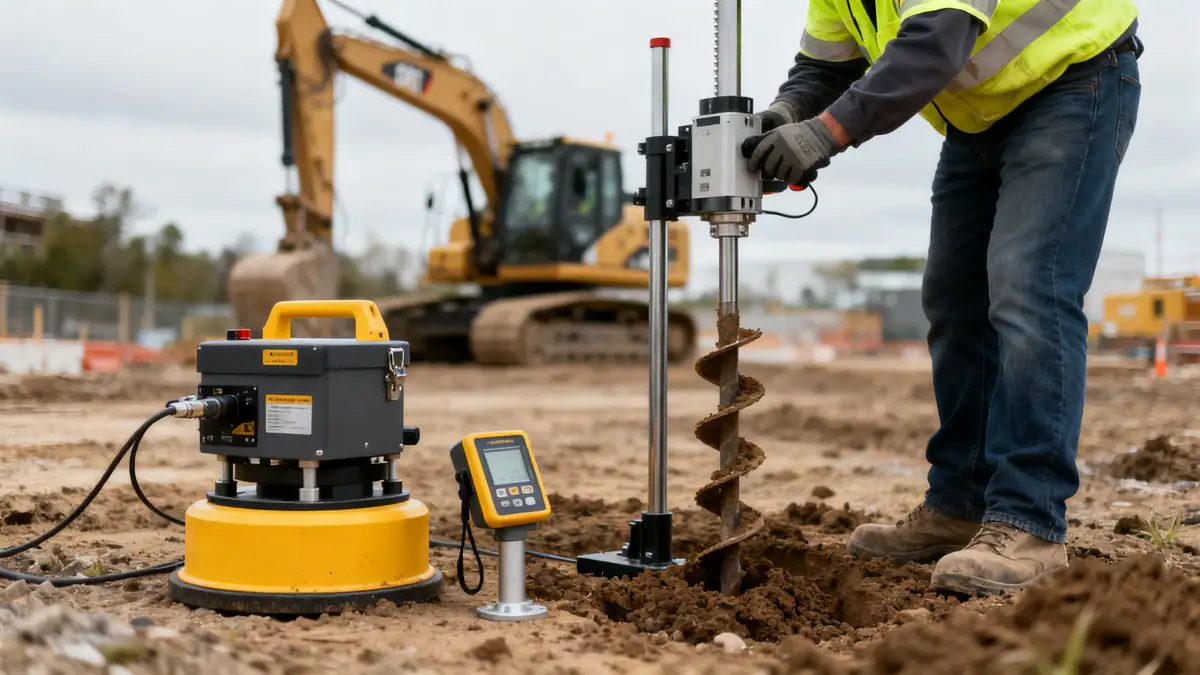
Our approach in Las Vegas begins with a thorough review of site geology and historical data, followed by field investigations including standard penetration testing and cone penetration testing. Laboratory analyses, such as soil mechanics laboratory assessments, provide key parameters for design. We adhere to ASTM D1586 for SPT procedures, ensuring consistent and reliable data. Our team integrates findings with local seismic provisions to deliver actionable recommendations for foundation design and earthworks.
Reference Technical Parameters
| Parameter | Reference Value |
|---|---|
| Predominant soil type | Silty sand and gravel, with clay layers (alluvial fan deposits) |
| Maximum seismic acceleration (PGA) | 0.2g to 0.4g (ASCE 7-16, Site Class D) |
| Typical groundwater level | 15 to 30 m deep, locally shallower near washes |
| Bedrock depth | Variable, typically 10 to 30 m (limestone/dolomite) |
| Typical N60 range | 10 to 40 blows/0.3 m (SPT, ASTM D1586) |
Local Considerations — Las Vegas
Las Vegas lies within the Basin and Range province, characterized by alluvial fan deposits over bedrock. The predominant soils are silty sands and gravels with variable clay content, often exhibiting collapsible behavior upon wetting. Groundwater levels are generally deep (>15 m), but localized shallow conditions exist near the Las Vegas Wash. Seismic hazard is moderate, with peak ground accelerations up to 0.4g per ASCE 7-16. Projects near the Strip may encounter fill materials from historical grading, requiring careful compaction testing. Our team coordinates with local jurisdictions, referencing granulometry & atterberg results to classify soils and assess expansion potential. For projects requiring regional context, we also collaborate with soil mechanics laboratory en Los Angeles to leverage cross-market expertise.
Request a Quote
Our team reviews your project and issues an initial report at no cost.
Or write us directly at [email protected]
Services in Las Vegas
Applicable Standards
- ASTM D1586 (Standard Penetration Test)
- ASCE 7-16 (Minimum Design Loads for Buildings)
- IBC 2021 (International Building Code)
- Nevada Administrative Code (NAC) Chapter 623
- ASTM D2487 (Unified Soil Classification System)
Frequently Asked Questions
What are the typical soil conditions in Las Vegas?
Las Vegas soils are predominantly alluvial silty sands and gravels, often with clay layers. These soils can be collapsible when wetted and may exhibit moderate expansion potential. Deep groundwater and variable bedrock depth require site-specific investigation per ASTM D1586.
Is seismic design required in Las Vegas?
Yes, Las Vegas is in Seismic Design Category C or D per ASCE 7-16, with PGA values up to 0.4g. Soil amplification effects must be evaluated. Our laboratory provides shear wave velocity and cyclic testing data to support site-specific response spectra.
Are geotechnical studies mandatory for construction in Las Vegas?
Clark County requires geotechnical reports for most new buildings and additions, per IBC and local amendments. Studies must address soil bearing capacity, settlement, liquefaction potential, and expansive soils. Our team prepares reports compliant with NAC 623.