Methodology
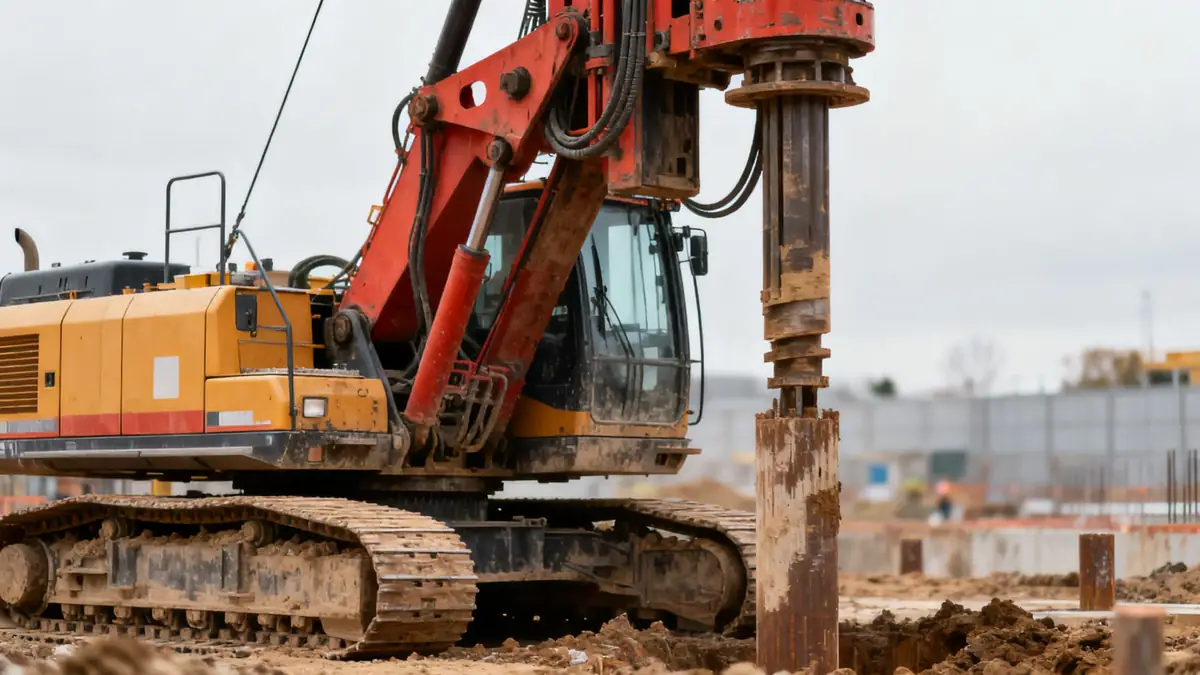
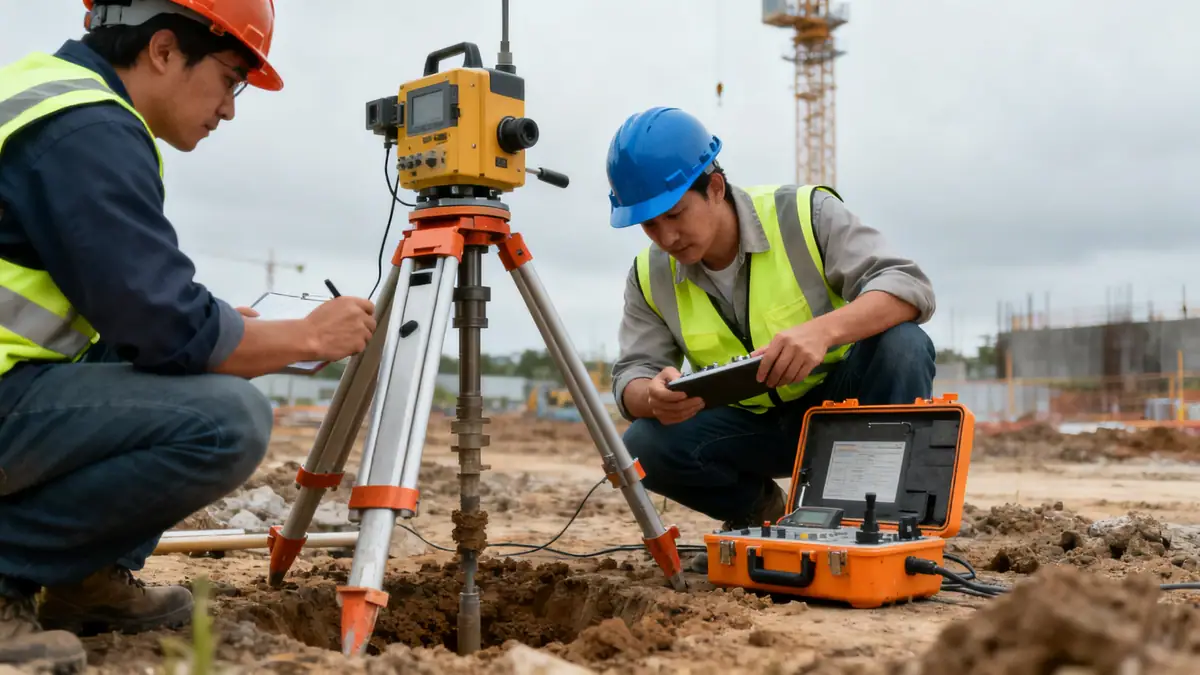
Our methodology in Jackson Mississippi integrates soil mechanics laboratory protocols with site-specific investigations. We employ a phased approach: desk study of local geology, field exploration via SPT (ASTM D1586) with sampling intervals of 1.0–1.5 m, and laboratory testing including sieve analysis (ASTM D6913) and Atterberg limits (ASTM D4318). For seismic assessments, we evaluate site class per ASCE 7-16 using shear wave velocity correlations. This systematic process ensures reliable data for foundation design in Jackson Mississippi's variable subsurface conditions.
Reference Technical Parameters
| Parameter | Reference Value |
|---|---|
| Predominant soil type | Alluvial silts and clays (loess) over Tertiary sands |
| Maximum seismic acceleration (PGA) | 0.15g–0.20g (ASCE 7-16, Site Class D) |
| Typical groundwater level | 2–5 m below ground surface |
| Bedrock depth | Variable; typically >30 m (Tertiary formations) |
| Typical N60 range (SPT) | 5–15 blows/ft in shallow alluvium; 20–40 in deeper sands |
Local Considerations — Jackson Mississippi
Jackson Mississippi's geology features loess-derived silts underlain by Pleistocene terraces and Tertiary sands, posing challenges for foundation stability. Shallow groundwater (2–5 m) requires dewatering considerations for excavations. Seismic hazard, though moderate (PGA 0.15g–0.20g per ASCE 7-16), influences site class evaluations. Contrasts exist between downtown Jackson (deeper alluvium) and suburban areas (shallower sands). Typical projects include residential slabs-on-grade, commercial strip malls, and highway embankments. Our team integrates these factors into every study, referencing granulometry & atterberg testing for fine-grained soil behavior.
Request a Quote
Our team reviews your project and issues an initial report at no cost.
Or write us directly at [email protected]
Services in Jackson Mississippi
Applicable Standards
- ASTM D1586 (Standard Penetration Test)
- ASTM D6913 (Sieve Analysis)
- ASTM D4318 (Atterberg Limits)
- ASCE 7-16 (Minimum Design Loads for Buildings)
- Mississippi State Building Code (IBC 2021)
Frequently Asked Questions
What soil types are predominant in Jackson Mississippi?
Jackson Mississippi's soils are primarily alluvial silts and clays from loess deposits, underlain by Pleistocene terrace sands and Tertiary formations. These fine-grained soils often exhibit moderate to high plasticity, requiring careful Atterberg limits evaluation for foundation design.
Is seismic analysis required for projects in Jackson Mississippi?
Yes, per ASCE 7-16 and the Mississippi State Building Code, seismic site classification is mandatory for most structures. Jackson falls in Seismic Design Category B to C, with PGA values of 0.15g–0.20g, necessitating site-specific shear wave velocity or SPT data for design.
Are soil studies mandatory for residential construction in Jackson?
For single-family homes, soil studies are not universally mandated but are strongly recommended, especially in areas with expansive clays or shallow groundwater. Multi-family and commercial projects require geotechnical investigations per IBC 2021 to ensure foundation safety.