Methodology
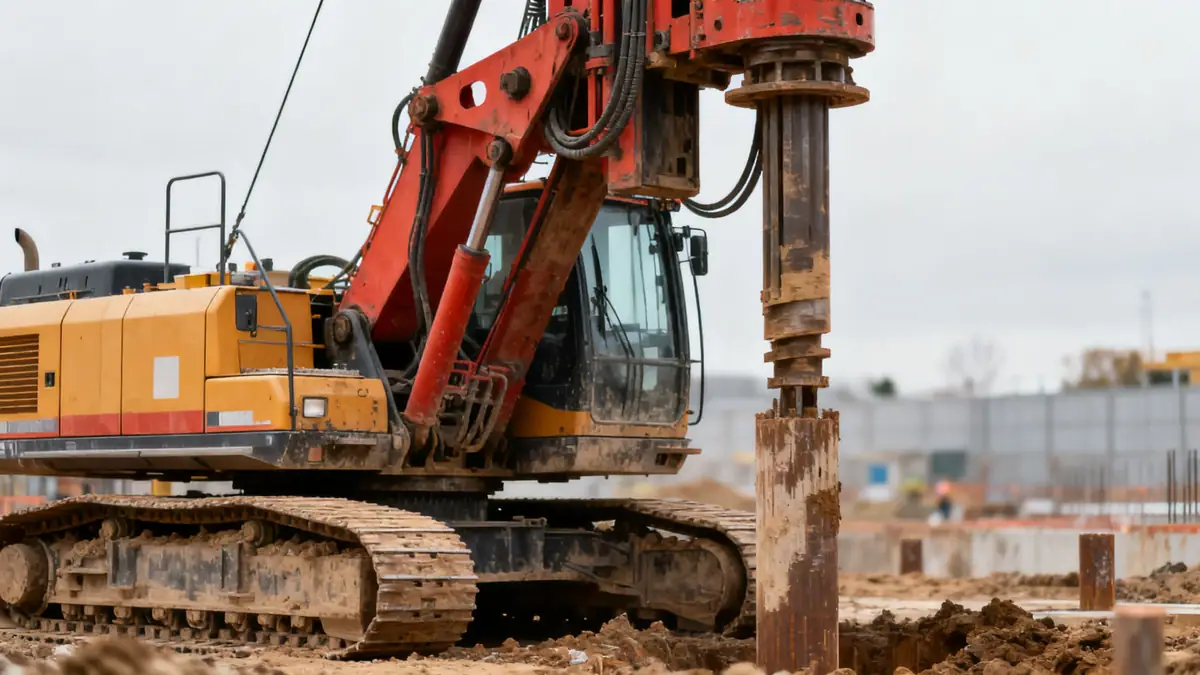
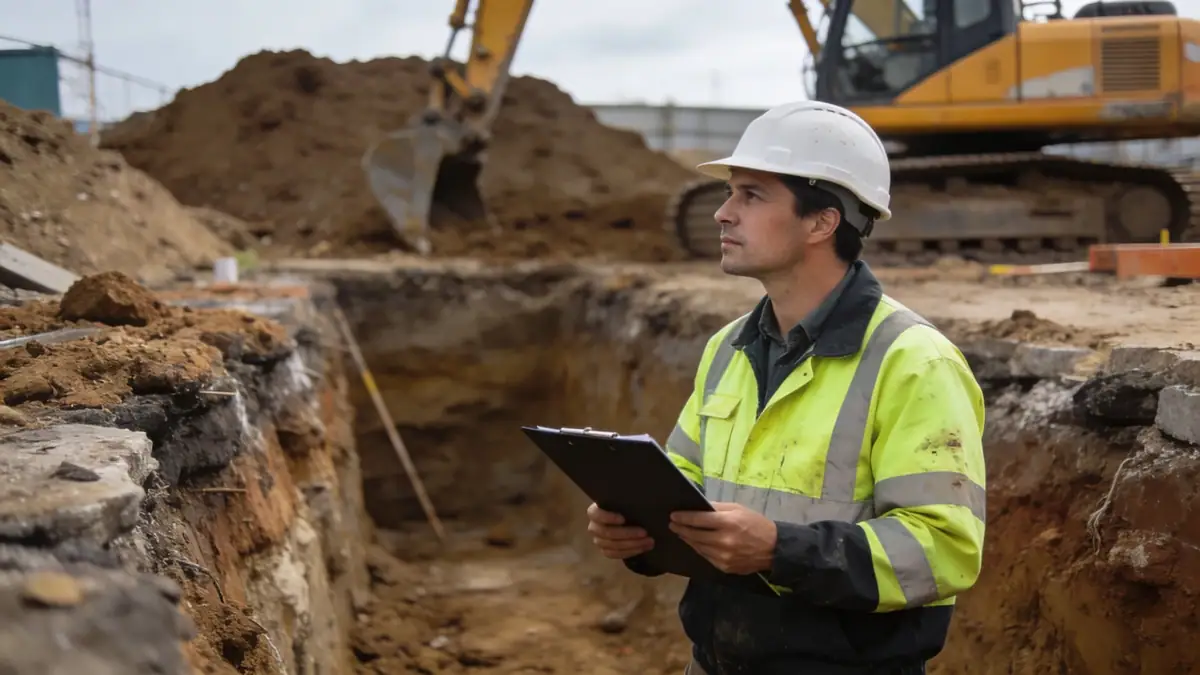
Our methodology for soil mechanics laboratory in Irving follows ASTM D1586 for Standard Penetration Tests (SPT) to characterize subsurface stratigraphy and obtain soil samples for laboratory testing. We typically employ SPT borings to depths of 8 to 15 meters for residential projects, extending to 30 meters for industrial structures. In cohesive soils, we perform undisturbed sampling using thin-wall tubes per ASTM D1587. All laboratory tests, including index properties, strength, and consolidation, are conducted in our accredited facility. Our approach ensures data reliability for foundation design and earthwork specifications in Irving. For more details, visit our soil mechanics laboratory page.
Reference Technical Parameters
| Parameter | Reference Value |
|---|---|
| Predominant Soil Type | Expansive clay (high plasticity) with interbedded silty sands |
| Maximum Seismic Acceleration (PGA) | 0.10g (ASCE 7-16, Site Class D) |
| Typical Groundwater Level | 3 to 6 meters below ground surface |
| Bedrock Depth | >30 meters (deep sedimentary basin) |
| Typical N60 Range | 5-15 in clay; 15-30 in sand (SPT) |
Local Considerations — Irving
Irving's geology is dominated by Cretaceous and Quaternary formations, primarily the Eagle Ford Shale and Austin Chalk, overlain by alluvial deposits. Key considerations include: (1) high plasticity clays with significant shrink-swell potential, requiring moisture conditioning for fill; (2) groundwater levels fluctuating seasonally between 3-6 meters, affecting excavation and foundation design; (3) seismic hazard moderate per ASCE 7, with PGA of 0.10g for Site Class D; (4) contrast between the Las Colinas area (thicker clay layers) and northern Irving (more sandy soils); (5) typical projects include high-rise foundations in Las Colinas and residential slabs in older neighborhoods. Our team also coordinates with our granulometry & atterberg services for precise soil classification. For broader regional context, refer to our soil mechanics laboratory en Houston operations.
Request a Quote
Our team reviews your project and issues an initial report at no cost.
Or write us directly at [email protected]
Services in Irving
Applicable Standards
- ASTM D1586 (Standard Penetration Test)
- ASTM D698 (Standard Proctor)
- ASCE 7-16 (Minimum Design Loads for Buildings)
- International Building Code (IBC 2021)
- Texas Administrative Code (Title 30, Chapter 330)
Frequently Asked Questions
What are the typical soil types encountered in Irving?
Irving predominantly features expansive clays of high plasticity, often interbedded with silty sands and gravels. These clays are derived from the Eagle Ford Shale formation and pose challenges for foundations due to volume changes with moisture variations. Deeper deposits include alluvial sands and gravels near the Trinity River.
Is seismic design required for projects in Irving?
Yes, per the International Building Code (IBC 2021) and ASCE 7-16, Irving is classified as Seismic Design Category B, requiring consideration of seismic loads. The maximum considered earthquake (MCE) spectral response acceleration at short periods (Ss) is approximately 0.20g, with a design PGA of 0.10g for Site Class D.
Are geotechnical investigations mandatory for residential construction in Irving?
While not always legally required for single-family homes, most municipalities and lenders in Irving recommend or require a geotechnical report for new construction, especially on expansive soils. The City of Irving's building code typically mandates subsurface exploration for commercial and multi-family projects to ensure foundation safety.