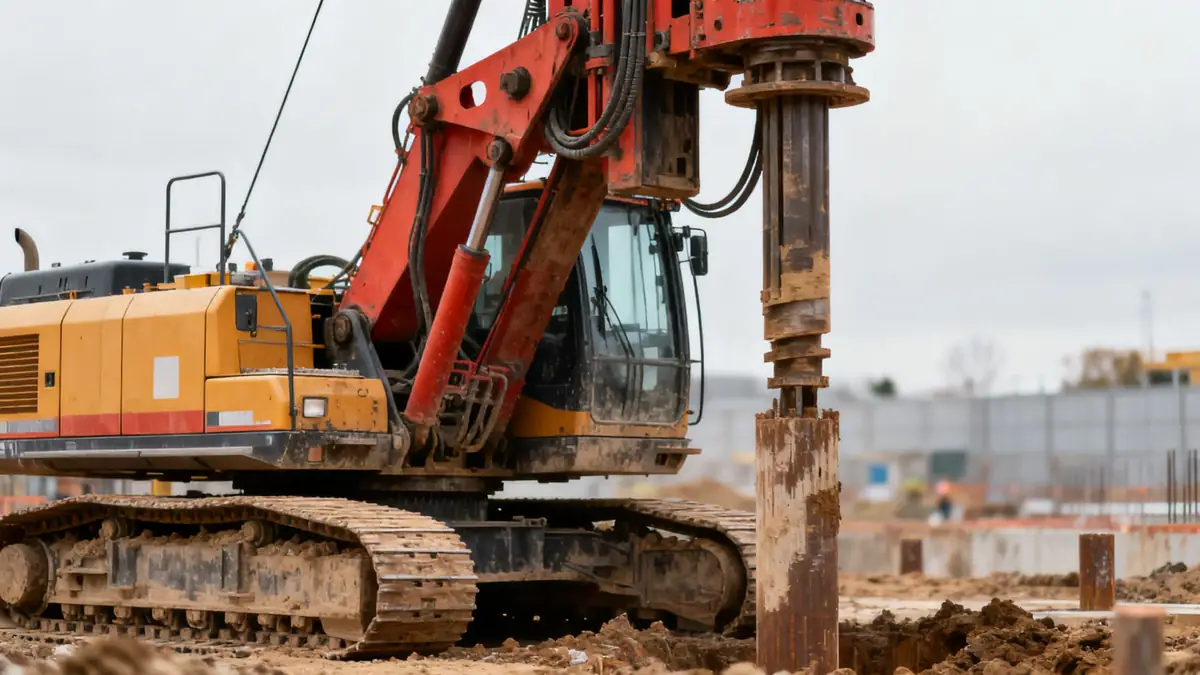
Methodology
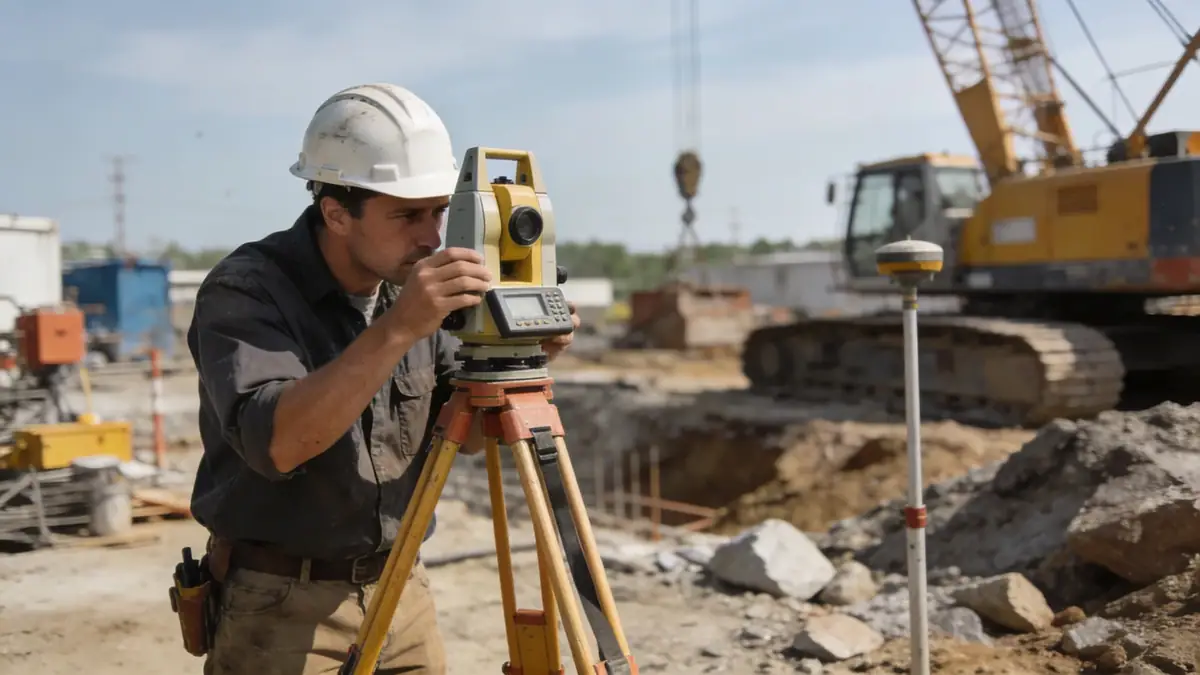
Our approach to soil mechanics laboratory services in Henderson Nevada follows standardized field and laboratory procedures. For subsurface exploration, we conduct standard penetration tests (SPT) per ASTM D1586, typically at 1.5 m intervals to depths of 15 to 30 m depending on project requirements. Our laboratory program includes index properties, compaction tests, and strength evaluations. All work is performed under the oversight of licensed professionals, ensuring compliance with local codes. For more on our methodology, visit our soil mechanics laboratory page.
Reference Technical Parameters
| Parameter | Reference Value |
|---|---|
| Predominant soil type | Alluvial sands, silty sands, and gravels |
| Maximum seismic acceleration (PGA) | 0.4g (per IBC 2021 seismic hazard maps) |
| Typical groundwater level | 10 to 25 m below surface |
| Bedrock depth | 30 to 60 m (variable) |
| Typical N60 range (SPT) | 10 to 40 blows/ft |
Local Considerations — Henderson Nevada
Henderson Nevada's geology is dominated by alluvial deposits from the Las Vegas Valley, with fine-grained sands and silts near the surface and coarser gravels at depth. The water table is generally deep, reducing liquefaction potential but requiring careful excavation dewatering. Seismic design is critical due to high PGA values (0.4g). Local building departments mandate site-specific geotechnical investigations for most structures. Our team has extensive experience with these conditions, and we coordinate closely with engineers. For related services, see our granulometry & atterberg page.
Request a Quote
Our team reviews your project and issues an initial report at no cost.
Or write us directly at [email protected]
Services in Henderson Nevada
Applicable Standards
- ASTM D1586 (Standard Penetration Test)
- IBC 2021 (International Building Code)
- ASCE 7 (Minimum Design Loads for Buildings)
- Nevada Administrative Code (NAC) Chapter 623
Frequently Asked Questions
What types of soil are commonly found in Henderson Nevada?
The predominant soils are alluvial sands, silty sands, and gravels, with occasional clay lenses. The subsurface profile varies across the city, with deeper bedrock in the southern areas.
Are geotechnical studies required for residential projects in Henderson?
Yes, the City of Henderson typically requires a geotechnical report for new single-family homes, additions, and retaining walls, especially in areas with high seismic risk or expansive soils.
How does seismic activity affect foundation design in Henderson?
Henderson lies in a high seismic zone (PGA up to 0.4g). Soils are prone to amplification, requiring site-specific response spectra per ASCE 7. Our laboratory provides dynamic soil properties for design.