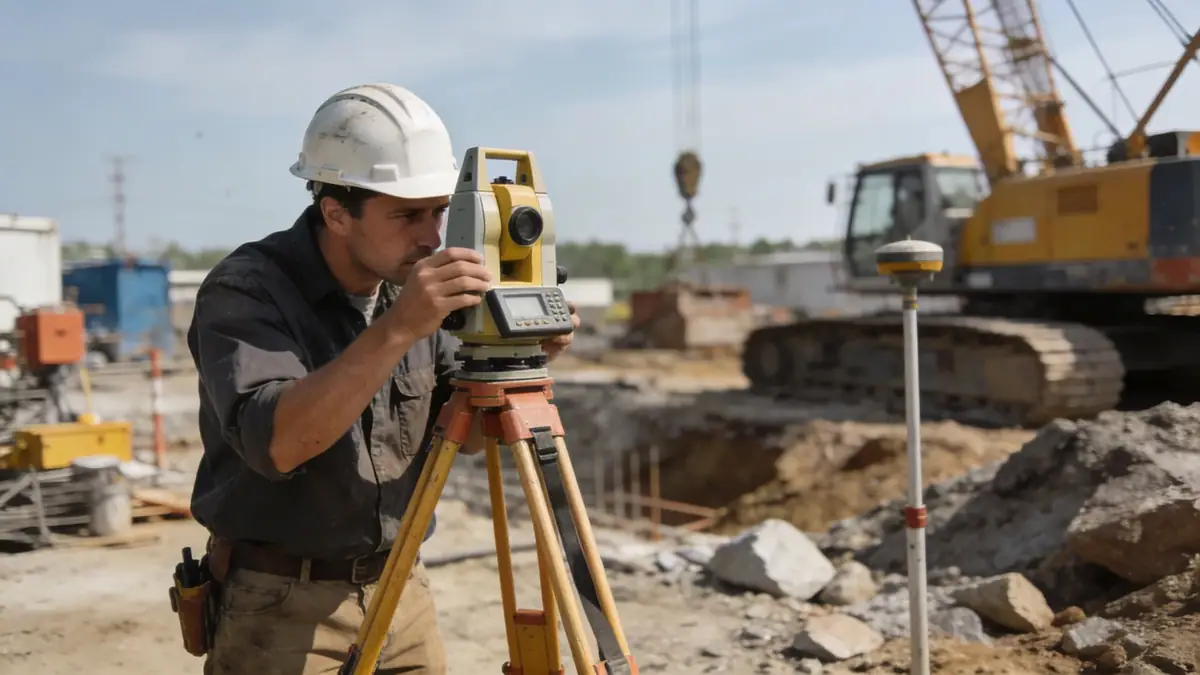
Methodology
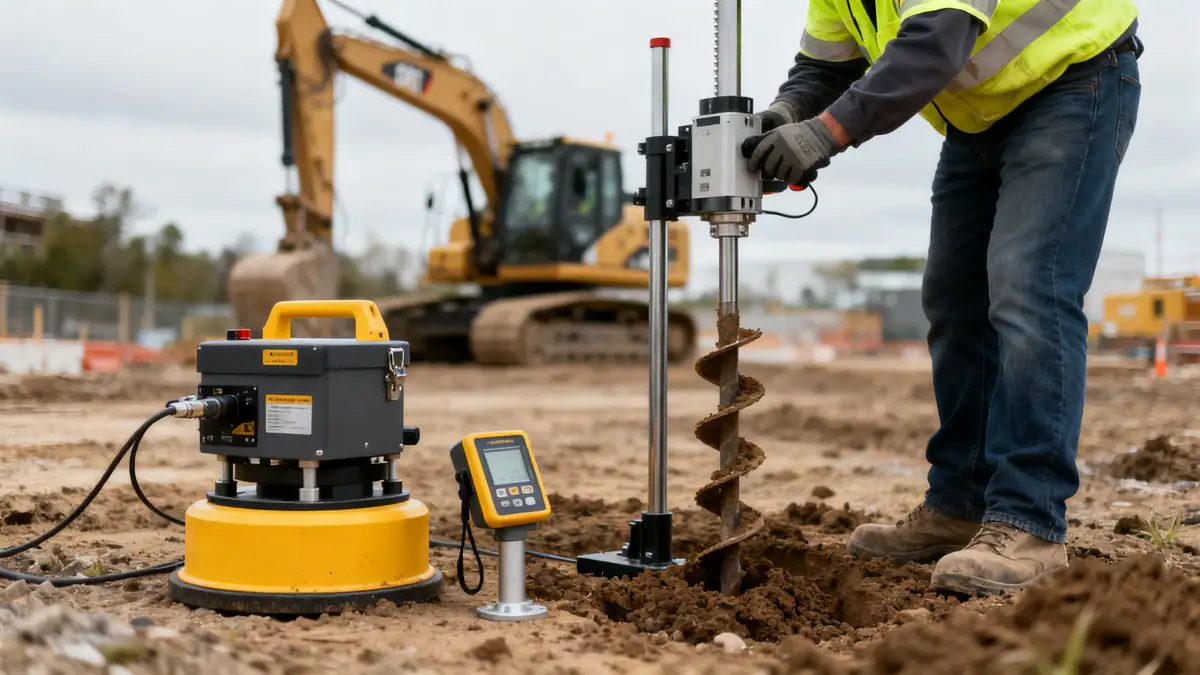
Our approach to soil mechanics laboratory in Hayward follows established standards including ASTM D1586 for standard penetration testing. We conduct field investigations using hollow-stem auger drilling and continuous soil sampling to characterize subsurface conditions. Laboratory testing encompasses index properties, strength, and consolidation parameters. Our team integrates field data with local geological maps to develop site-specific profiles. For detailed service offerings, visit our soil mechanics laboratory page. This methodology ensures reliable results for foundation design and earthwork in Hayward's diverse soil environments.
Reference Technical Parameters
| Parameter | Reference Value |
|---|---|
| Predominant soil type | Alluvial clay and silty sand |
| Maximum seismic acceleration (PGA) | 0.4g to 0.6g (ASCE 7 seismic design category D) |
| Typical groundwater level | 3 to 8 meters below ground surface |
| Typical N60 range (SPT) | 5 to 25 blows per 0.3m |
Local Considerations — Hayward
Hayward lies within the active Hayward Fault zone, presenting elevated seismic hazard. Local soils consist of alluvial deposits from San Francisco Bay, with soft clays and loose sands near the shoreline and denser materials inland. Groundwater levels are shallow in low-lying areas, often requiring dewatering for excavations. Our team addresses these conditions through site-specific seismic hazard assessments and liquefaction analysis. For specialized testing, refer to our granulometry & atterberg services. We also serve as a regional hub, complementing our soil mechanics laboratory en Los Angeles operations.
Request a Quote
Our team reviews your project and issues an initial report at no cost.
Or write us directly at [email protected]
Services in Hayward
Applicable Standards
- ASTM D1586
- ASCE 7
- California Building Code (CBC)
- ASTM D2487
Frequently Asked Questions
What are the typical soil types encountered in Hayward?
Hayward soils are primarily alluvial, with soft clays and silty sands near the bay and denser gravels towards the hills. The presence of the Hayward Fault also influences soil conditions, requiring careful geotechnical evaluation.
How does seismic activity affect soil mechanics studies in Hayward?
Seismic activity from the Hayward Fault requires site-specific ground motion analysis and liquefaction assessment. Our studies incorporate ASCE 7 seismic design criteria to ensure structures meet California's stringent safety standards.
Are soil mechanics laboratory studies mandatory for construction in Hayward?
Yes, local building codes often require geotechnical investigations for new construction, especially in seismic zones. Our reports provide the necessary data for foundation design and compliance with the California Building Code.