Methodology
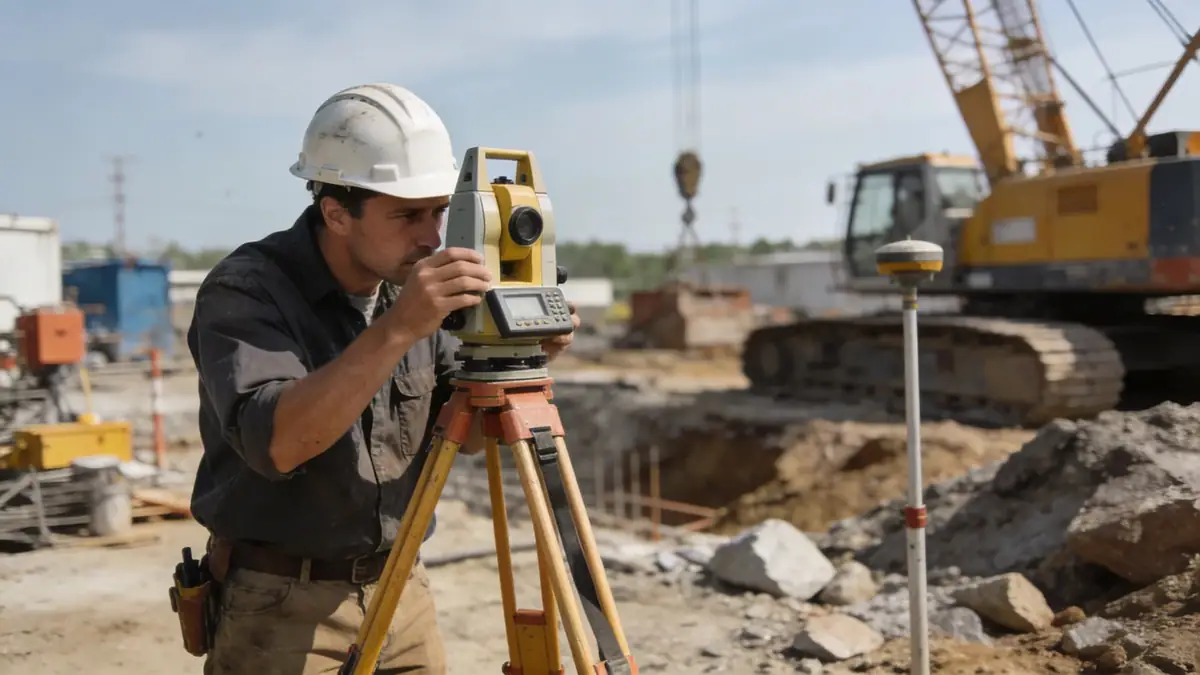
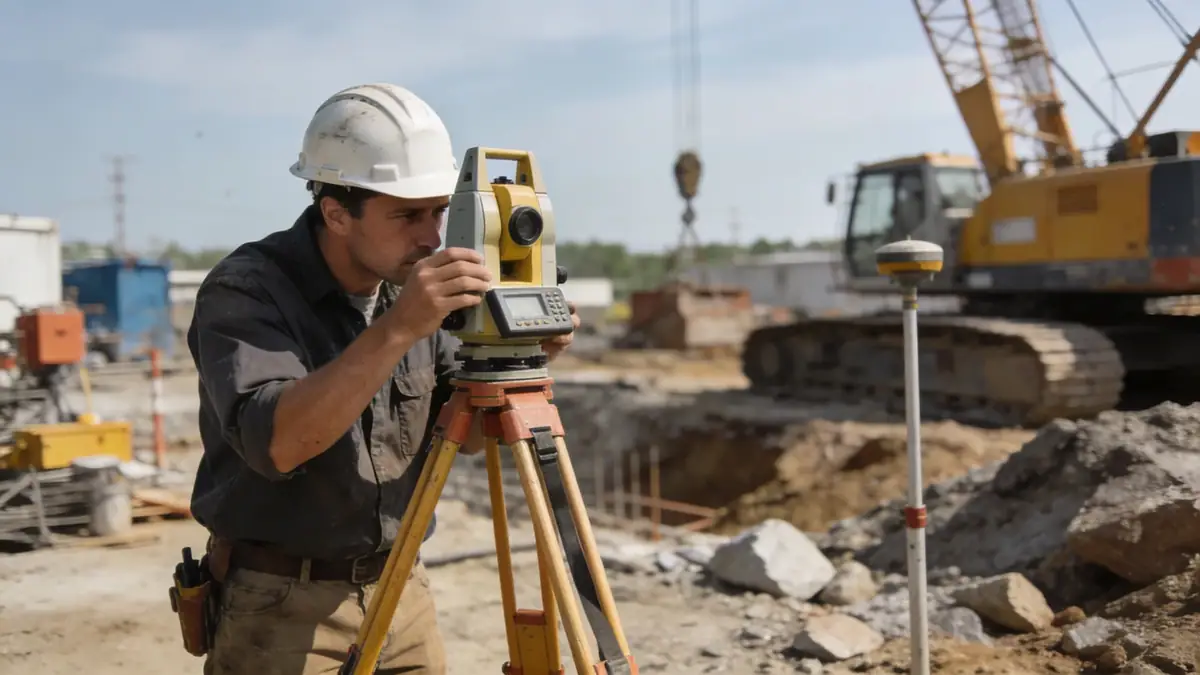
Our methodology at Soil Mechanics Laboratory follows ASTM and AASHTO standards, beginning with a site-specific investigation plan. For Greensboro projects, we typically perform Standard Penetration Tests (ASTM D1586) at 1.5-meter intervals to characterize subsurface stratigraphy and obtain N-values. Samples are then analyzed in our accredited lab for moisture content, grain size distribution (ASTM D6913), Atterberg limits (ASTM D4318), and compaction characteristics (ASTM D698). This data informs bearing capacity and settlement analyses, ensuring foundations are designed for the local Piedmont geology. Our approach integrates field and laboratory data to deliver reliable recommendations for each unique site.
Reference Technical Parameters
| Parameter | Reference Value |
|---|---|
| Predominant Soil Type | Piedmont residual silty sands and clays (SM, ML, CL) |
| Typical N60 Range (SPT) | 4–20 blows/ft (variable with depth and weathering) |
| Maximum Seismic Acceleration (PGA) | 0.15g (ASCE 7-16, Site Class C/D) |
| Typical Groundwater Level | 5–15 ft below grade (seasonal variation) |
| Bedrock Depth | 10–30 ft (weathered rock grading to sound bedrock) |
Local Considerations — Greensboro
Greensboro's geology is dominated by Piedmont residual soils derived from granite and gneiss, often exhibiting high variability over short distances. Shallow groundwater can be encountered in low-lying areas near Lake Brandt or the Haw River, requiring dewatering considerations. Seismic site classification typically falls under C or D per ASCE 7, with peak ground accelerations of 0.15g. Older neighborhoods near downtown may have undocumented fill, while newer developments on the outskirts often encounter competent saprolite. Common challenges include expansive clays in some pockets and the need for deep foundations in thicker residual profiles. For broader regional context, our soil mechanics laboratory en Atlanta provides additional insights into similar Piedmont conditions.
Request a Quote
Our team reviews your project and issues an initial report at no cost.
Or write us directly at [email protected]
Services in Greensboro
Applicable Standards
- ASTM D1586 (Standard Penetration Test)
- ASTM D6913 (Particle Size Analysis)
- ASTM D4318 (Atterberg Limits)
- ASTM D698 (Standard Proctor)
- ASCE 7-16 (Minimum Design Loads for Buildings)
Frequently Asked Questions
What are the typical soil conditions in Greensboro?
Greensboro sits on the Piedmont Plateau, underlain by residual soils from weathered granite and gneiss. These soils are typically silty sands and clays (SM, ML, CL) with varying thicknesses of 10 to 30 feet over bedrock. Groundwater levels can be shallow in low areas.
Are seismic considerations important for Greensboro projects?
Yes, North Carolina building codes require seismic design per ASCE 7. Greensboro falls in Seismic Design Category B or C with a PGA of 0.15g. Our soil mechanics laboratory evaluates site class and liquefaction potential to ensure compliance.
Is a geotechnical investigation mandatory for construction in Greensboro?
While not always required for small residential projects, most commercial and multi-family developments in Greensboro mandate a geotechnical report per local building codes. Lenders and insurers often require soil testing for risk assessment.