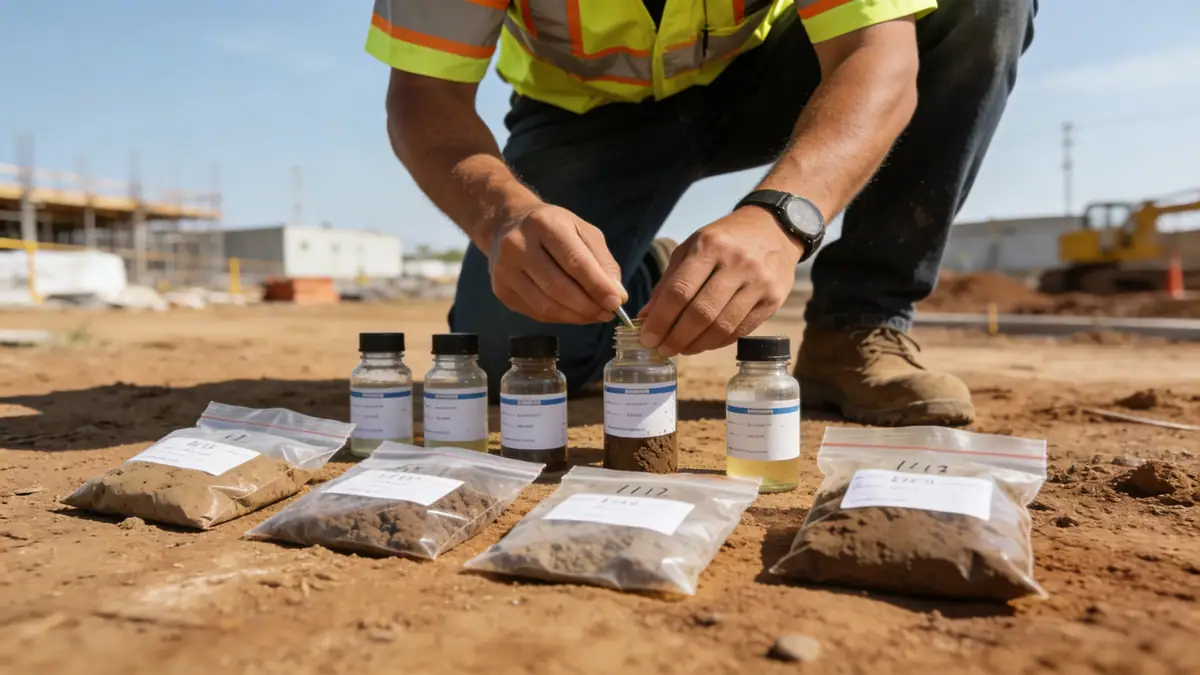
Methodology
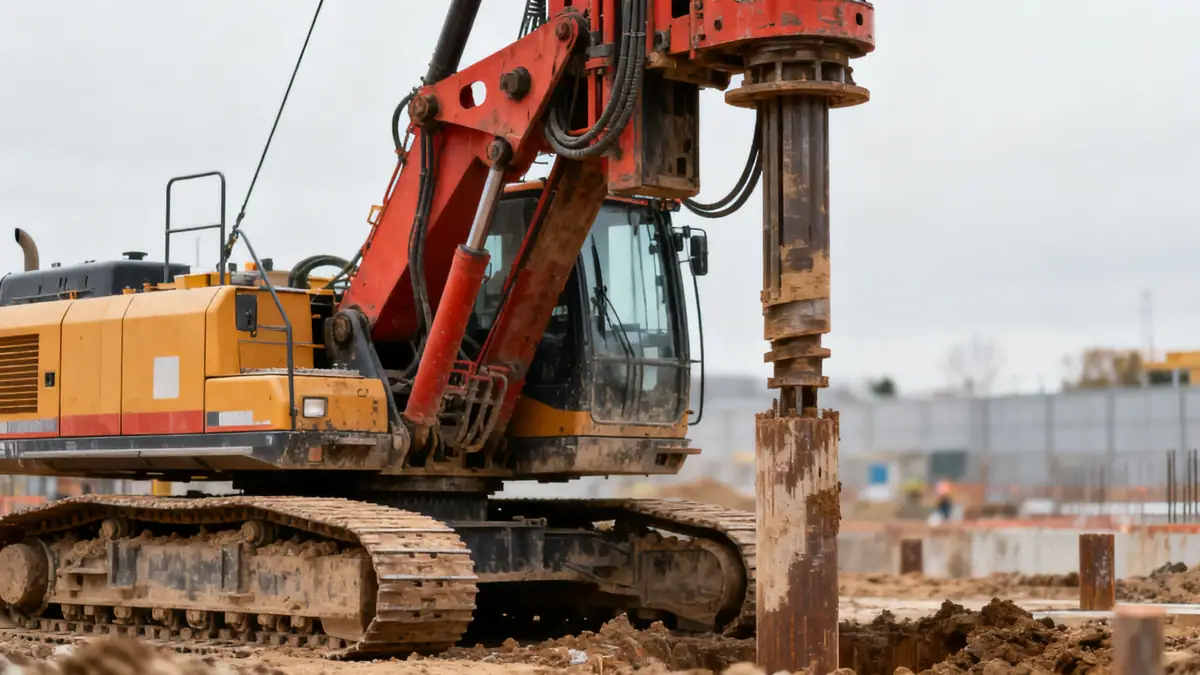
Our methodology for geotechnical investigations in Glendale follows a phased approach, integrating field exploration, laboratory testing, and engineering analysis. Field programs include standard penetration testing (SPT) per ASTM D1586 at intervals of 1.5 meters to depths of 15–30 meters, supplemented by cone penetration tests (CPT) for continuous profiling. Laboratory testing encompasses index properties, strength, and consolidation parameters. For a comprehensive overview of our capabilities, visit our soil mechanics laboratory page. All work adheres to local building codes and professional practice standards.
Reference Technical Parameters
| Parameter | Reference Value |
|---|---|
| Predominant soil type | Quaternary alluvium (silty sand, clayey sand, gravelly sand) |
| Maximum seismic acceleration (PGA) | 0.4g (ASCE 7-16, Site Class D) |
| Typical groundwater level | 20–50 ft (6–15 m) below ground surface |
| Bedrock depth | 50–100 ft (15–30 m) in valley areas; shallower on hillsides |
| Typical N60 range (SPT) | 10–30 blows/ft in alluvium; 30–60+ in older deposits |
Local Considerations — Glendale California
Glendale's diverse geology demands site-specific evaluations. In the valley areas, deep alluvial soils may require deep foundations or ground improvement. Hillside developments in the Verdugo Mountains face slope stability concerns and variable bedrock depths. Liquefaction potential exists in areas with high groundwater along the Los Angeles River corridor. Our team integrates these factors into every project. For more on our approach, see our granulometry & atterberg and proctor & cbr testing services. For our broader regional presence, visit our soil mechanics laboratory en Los Angeles.
Request a Quote
Our team reviews your project and issues an initial report at no cost.
Or write us directly at [email protected]
Services in Glendale California
Applicable Standards
- ASTM D1586 (Standard Penetration Test)
- ASCE 7-16 (Minimum Design Loads and Associated Criteria for Buildings and Other Structures)
- California Building Code (CBC) 2022
- ASTM D2487 (Classification of Soils for Engineering Purposes)
Frequently Asked Questions
What soil types are commonly found in Glendale?
Glendale predominantly features Quaternary alluvial soils, including silty sands, clayey sands, and gravelly sands. Older alluvium and bedrock (primarily granitic and sedimentary rocks) are present at depth, especially in hillside areas.
How does seismic activity in Glendale affect geotechnical investigations?
Glendale is in Seismic Zone 4 with a PGA of 0.4g. Investigations must address liquefaction, fault rupture (if near active faults), and site amplification. Our studies provide soil dynamic properties for seismic design per ASCE 7 and CBC.
Are geotechnical studies mandatory for construction in Glendale?
Yes, the California Building Code requires geotechnical investigations for most new structures and significant alterations. Local jurisdictions may enforce additional requirements, especially in hillside areas or near fault zones.