Methodology
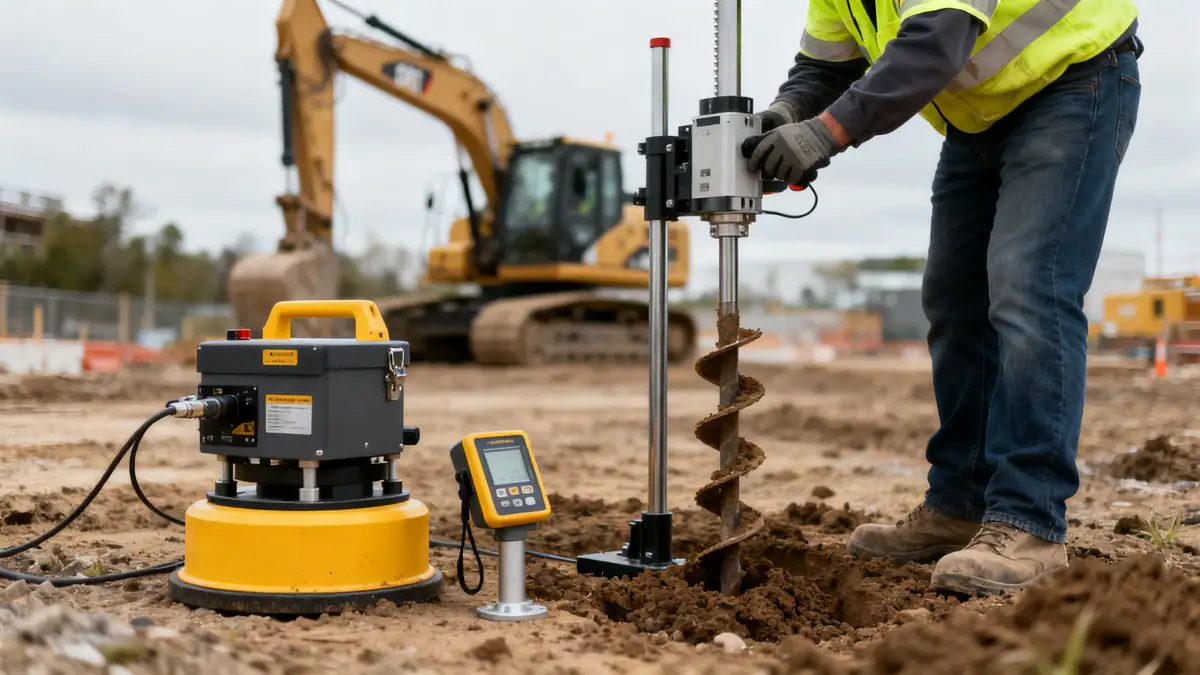
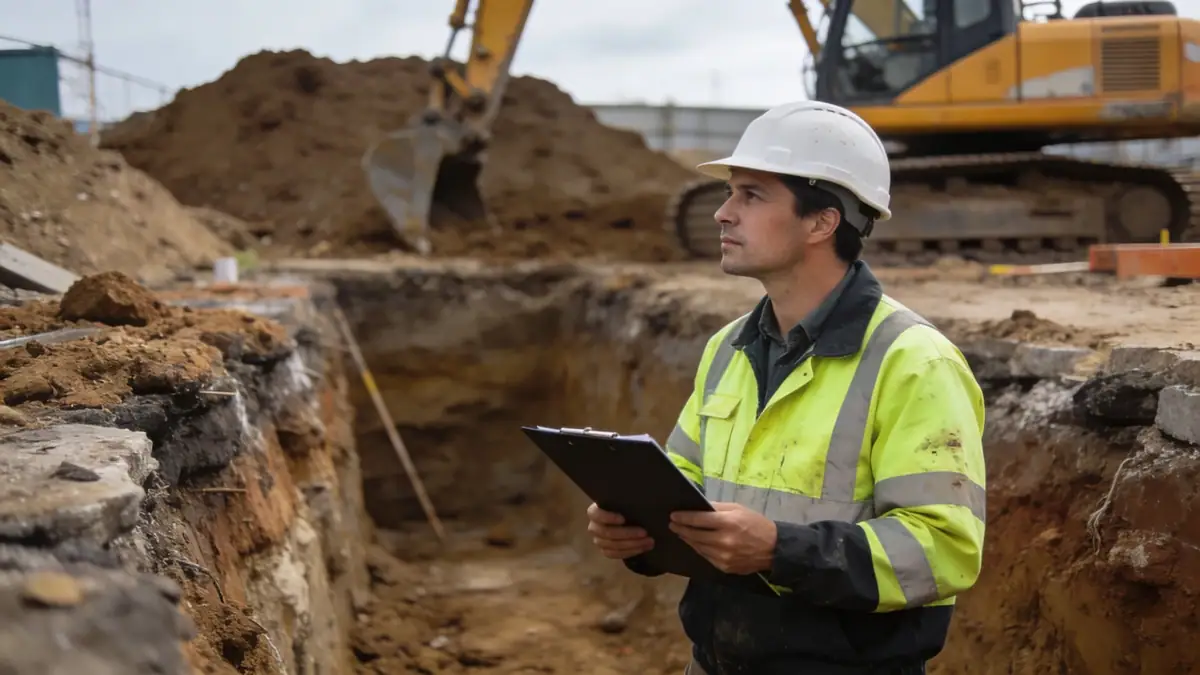
Our approach in Garland begins with a comprehensive review of existing geological maps and project specifications. We coordinate subsurface investigations including standard penetration testing (SPT) per ASTM D1586 at 1.5-meter intervals to depths of 15–30 meters, depending on structural loads. Samples are retrieved for laboratory classification (USCS, AASHTO), moisture-density relationships, and strength testing. All procedures follow recognized standards to ensure repeatability and legal defensibility. Our integrated methodology bridges field data with engineering analysis to deliver reliable parameters for foundation design and earthwork.
Reference Technical Parameters
| Parameter | Reference Value |
|---|---|
| Predominant soil type | Clayey sands (SC) and lean clays (CL) over weathered shale |
| Maximum seismic acceleration (PGA) | 0.06g (ASCE 7-16, Site Class C) |
| Typical groundwater level | 3–8 m below ground surface |
| Bedrock depth | 5–15 m (Austin Chalk formation) |
| Typical N60 range | 8–35 blows/0.3 m (varies with depth) |
Local Considerations — Garland
Garland’s subsurface is influenced by the White Rock Escarpment, with shallow bedrock in northern areas and deeper alluvium near Lake Ray Hubbard. Expansive clay behavior requires attention to shrink-swell potential for slab-on-grade foundations. Seismic site classification per ASCE 7 typically results in Site Class C or D. Local ordinances may require geotechnical reports for structures exceeding two stories. Our team integrates these factors into every investigation, and we frequently collaborate with granulometry & atterberg testing to characterize fine-grained soils accurately.
Request a Quote
Our team reviews your project and issues an initial report at no cost.
Or write us directly at [email protected]
Services in Garland
Applicable Standards
- ASTM D1586 (Standard Penetration Test)
- ASTM D698 (Standard Proctor)
- ASTM D4318 (Atterberg Limits)
- ASCE 7-16 (Minimum Design Loads)
- International Building Code (IBC) 2021
Frequently Asked Questions
What types of soil are most common in Garland, Texas?
Garland predominantly features clayey sands (SC) and lean clays (CL) derived from weathered Eagle Ford Shale, with sandy alluvial deposits near waterways. Expansive clays are also present in some areas, requiring evaluation of swell potential for foundation design.
Is a geotechnical study mandatory for construction in Garland?
While not always legally required for single-family homes, the City of Garland’s building code typically mandates a geotechnical report for commercial structures and multi-story buildings. Many lenders also require soil testing to assess risk and ensure long-term stability.
What seismic design category applies to Garland?
Garland falls under Seismic Design Category B per ASCE 7-16, with a mapped peak ground acceleration of 0.06g. This low-to-moderate hazard still requires proper site classification and consideration of soil amplification effects for critical structures.