Methodology
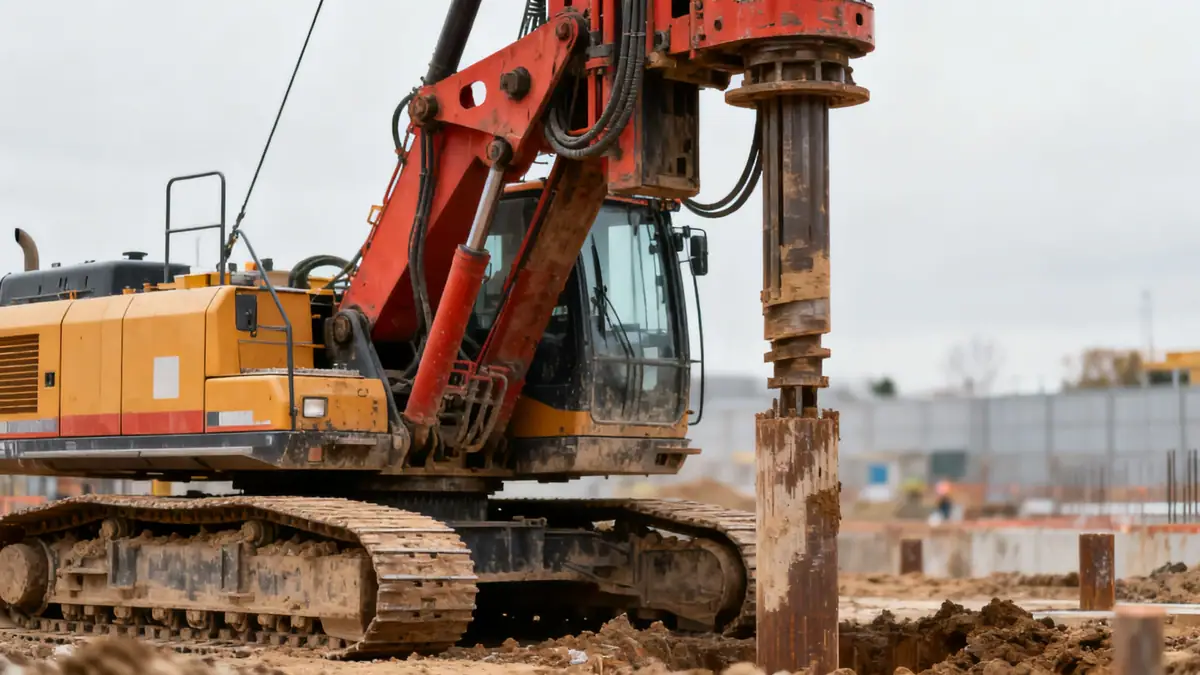
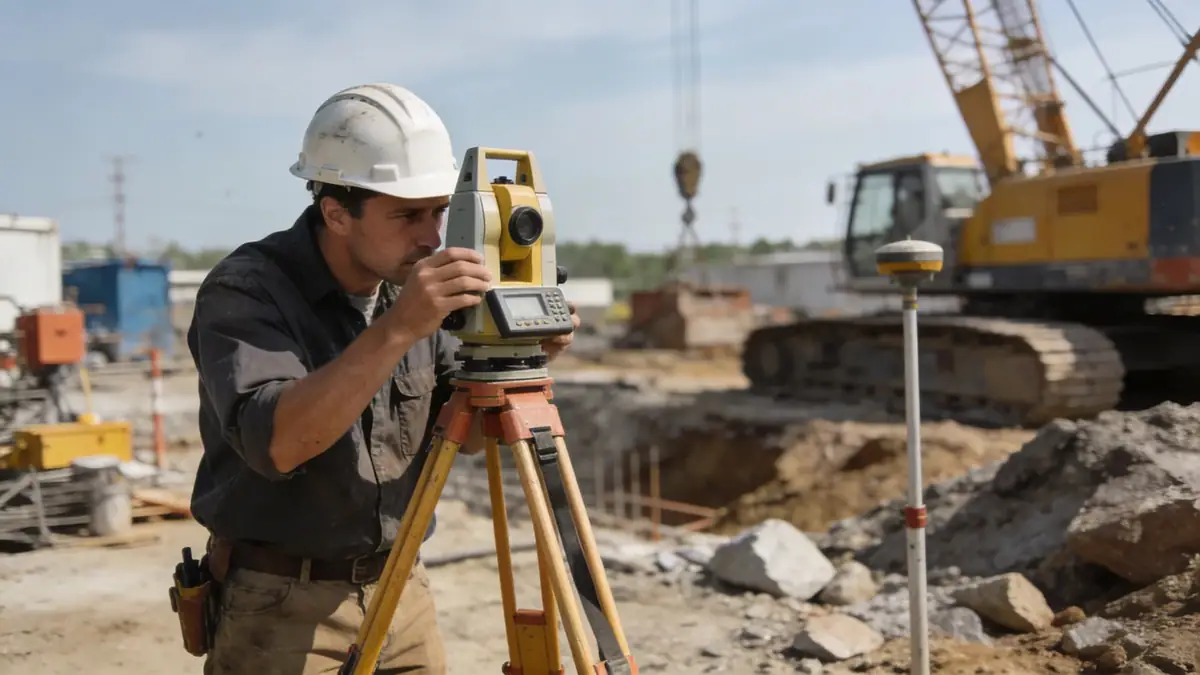
Our methodology for soil mechanics laboratory investigations in Fullerton follows a systematic approach tailored to the city's geotechnical conditions. We begin with a review of existing geologic maps and nearby project data, then conduct field explorations including standard penetration tests (SPT) per ASTM D1586 and undisturbed sampling. Laboratory testing encompasses classification, strength, and consolidation parameters. For detailed information on our general approach, visit our soil mechanics laboratory page. All work aligns with local building codes and the California Building Code (CBC) seismic provisions.
Reference Technical Parameters
| Parameter | Reference Value |
|---|---|
| Predominant soil type | Silty sand and clay (alluvial fan deposits) |
| Maximum seismic acceleration (PGA) | 0.4g to 0.6g (ASCE 7-16, Site Class D) |
| Typical groundwater level | 10 to 30 feet below surface (variable seasonally) |
| Bedrock depth | 100 to 500 feet (sedimentary bedrock) |
| Typical N60 range (SPT) | 4 to 30 blows per foot (loose to medium dense sands) |
Local Considerations — Fullerton
Fullerton's varied geology includes Holocene alluvium in the valley and Pleistocene terrace deposits on the Coyote Hills. Shallow groundwater is present near the Santa Ana River, requiring dewatering considerations. Seismic site class typically ranges from D to E per ASCE 7, with high liquefaction potential in saturated sandy layers. The city enforces the California Building Code with amendments for seismic design. Our team has extensive experience on projects near downtown and the hills. For specialized testing, see our granulometry & atterberg services. We also coordinate with the main soil mechanics laboratory en Los Angeles for regional consistency.
Request a Quote
Our team reviews your project and issues an initial report at no cost.
Or write us directly at [email protected]
Services in Fullerton
Applicable Standards
- ASTM D1586 (Standard Penetration Test)
- ASCE 7-16 (Minimum Design Loads and Associated Criteria for Buildings)
- California Building Code (CBC) 2022
- ASTM D2487 (Unified Soil Classification System)
Frequently Asked Questions
What are the typical soil types encountered in Fullerton?
Fullerton soils are predominantly silty sands and clays from alluvial fan deposits. In the Coyote Hills area, older terrace deposits with more gravel and stiff clays are common. Proper classification via ASTM D2487 is essential for foundation design.
How does seismic hazard affect soil mechanics in Fullerton?
Fullerton lies in a high seismic zone with peak ground accelerations up to 0.6g. Soil liquefaction and cyclic softening are concerns in saturated sands. Site-specific seismic hazard analysis per ASCE 7 is required for most structures.
Is a soil mechanics laboratory study mandatory for construction in Fullerton?
Yes, the California Building Code requires geotechnical investigations for most new buildings and additions. Local jurisdictions may have additional requirements. A professional study ensures compliance and reduces risk of foundation failure.