
Methodology
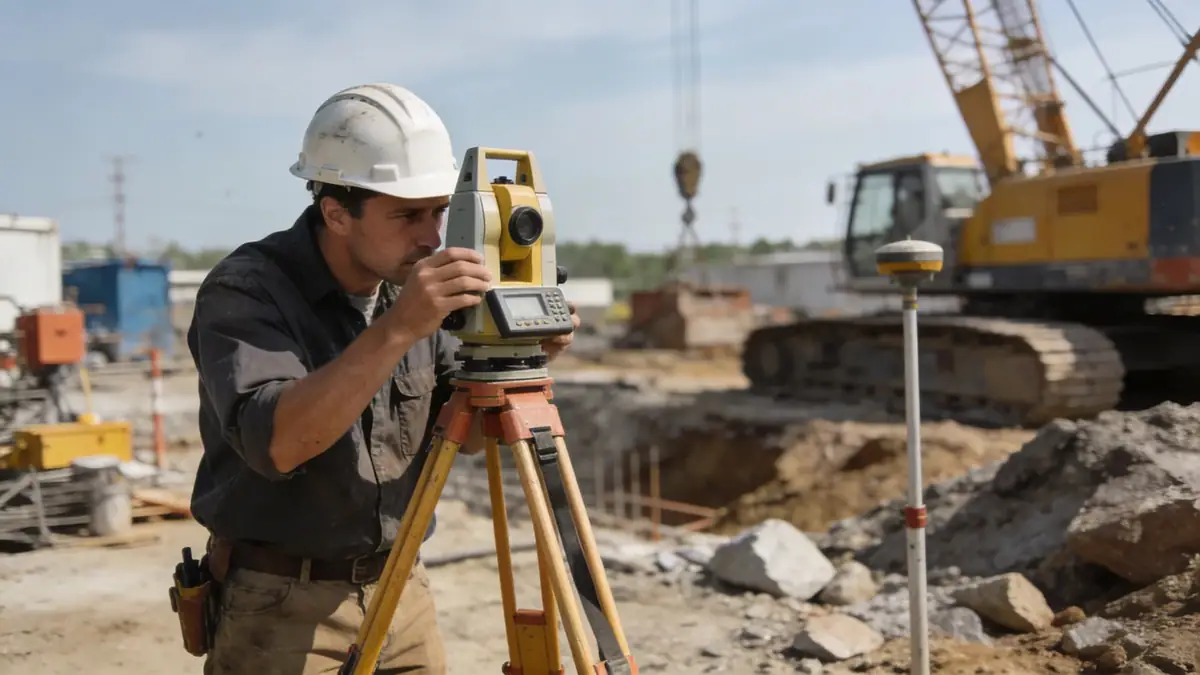
Our methodology for soil mechanics laboratory in Frisco Texas follows ASTM D1586 standard penetration testing to characterize subsurface conditions. We integrate site-specific data with regional geology to assess bearing capacity and settlement. For detailed laboratory analysis, we refer to our soil mechanics laboratory services. Our approach ensures compliance with local building codes and provides reliable parameters for foundation design.
Reference Technical Parameters
| Parameter | Reference Value |
|---|---|
| Predominant soil type | Expansive clay (Vertisols) and alluvial sand/gravel |
| Maximum seismic acceleration (PGA) | 0.10g to 0.15g (IBC 2021, Site Class D) |
| Typical groundwater level | 5 to 15 meters below ground surface |
| Bedrock depth | 10 to 30 meters (Austin Chalk formation) |
| Typical N60 range (SPT) | 4 to 15 blows/ft in clay; 20 to 40 blows/ft in sand |
Local Considerations — Frisco Texas
Frisco Texas sits on expansive clays of the Blackland Prairie, with high plasticity and significant shrink-swell potential. The water table is generally deep, but local variations occur near creeks. Seismic hazard is moderate per IBC Site Class D, with PGA values around 0.10–0.15g. Older developments near downtown may have undocumented fill, while newer subdivisions on the north side often encounter stiffer alluvial deposits. Typical foundation issues include slab heave and differential settlement, requiring thorough soil characterization. Our team coordinates with local engineers to address these conditions. For broader regional expertise, see our soil mechanics laboratory en Houston services.
Request a Quote
Our team reviews your project and issues an initial report at no cost.
Or write us directly at [email protected]
Services in Frisco Texas
Applicable Standards
- ASTM D1586 (Standard Penetration Test)
- IBC 2021 (International Building Code)
- ASCE 7-22 (Minimum Design Loads for Buildings)
- ASTM D2487 (Unified Soil Classification System)
- City of Frisco Engineering Design Standards
Frequently Asked Questions
What are the typical soil types encountered in Frisco Texas?
The predominant soils are expansive clays of the Blackland Prairie, classified as CH (high plasticity) under ASTM D2487. These clays have high shrink-swell potential, requiring careful moisture control during construction. Local alluvial sands and gravels are found near creek beds.
What seismic design considerations apply in Frisco Texas?
Frisco Texas is in IBC Seismic Design Category C with Site Class D default. The maximum considered earthquake (MCE) spectral acceleration for short periods (Ss) is approximately 0.25g, and at 1-second (S1) is 0.08g. Site-specific studies may reduce design values if competent soil is present.
Is a geotechnical investigation required for new construction in Frisco Texas?
Yes, the City of Frisco requires a geotechnical report for most new structures, including residential slabs and commercial buildings. The report must address soil bearing capacity, settlement, expansive soil mitigation, and seismic site class per IBC 2021.