Methodology
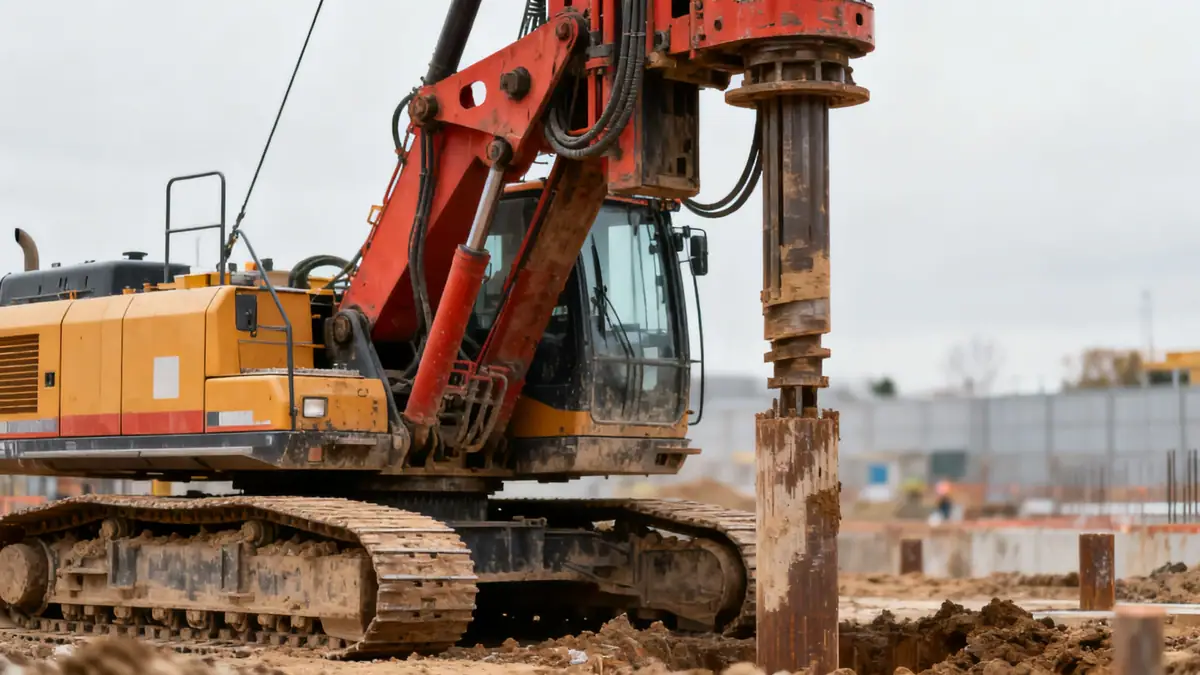
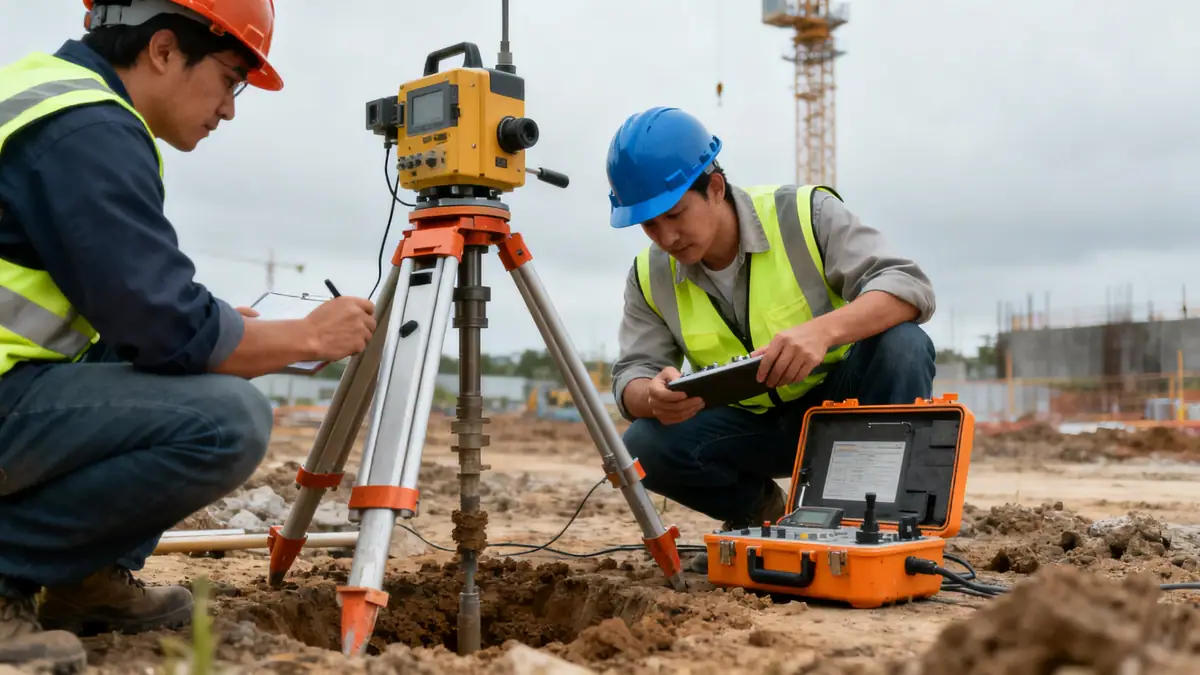
Our methodology for soil mechanics laboratory work in Fresno follows established standards to capture the region's variable subsurface conditions. Field exploration, including Standard Penetration Testing per ASTM D1586, is conducted at intervals of 1.0 to 1.5 meters to characterize soil strata. Samples are then analyzed in our laboratory for physical and mechanical properties. For a comprehensive overview of our approach, visit our soil mechanics laboratory page. This systematic process ensures that our findings align with local geologic conditions and project requirements.
Reference Technical Parameters
| Parameter | Reference Value |
|---|---|
| Predominant soil type | Sandy loam and clayey silt with gravel lenses |
| Maximum seismic acceleration (PGA) | 0.3g to 0.4g (ASCE 7-16) |
| Typical groundwater level | 3 to 8 meters below surface |
| Bedrock depth | Greater than 30 meters |
| Typical N60 range | 10 to 40 blows/0.3m |
Local Considerations — Fresno
Fresno's geology is dominated by alluvial deposits from the Sierra Nevada, creating a heterogeneous subsurface with sands, silts, and clays. Five key considerations guide our work: (1) soil variability between the older, denser deposits downtown and the softer, recent alluvium near the river; (2) a high water table in areas adjacent to the San Joaquin River, requiring dewatering considerations; (3) seismic hazard from nearby faults, with PGA values up to 0.4g; (4) expansive clay pockets in some residential zones; and (5) liquefaction potential in saturated sandy layers. For more on our testing capabilities, see granulometry & atterberg. Our team integrates these factors into every soil mechanics laboratory project in Fresno.
Request a Quote
Our team reviews your project and issues an initial report at no cost.
Or write us directly at [email protected]
Services in Fresno
Applicable Standards
- ASTM D1586
- ASCE 7-16
- California Building Code (CBC)
- ASTM D6913
- ASTM D698
Frequently Asked Questions
What soil types are commonly found in Fresno?
Fresno's subsurface consists primarily of alluvial sands, silts, and clays, with occasional gravel lenses. The older deposits in central areas are denser, while newer alluvium near the San Joaquin River is softer and may have higher groundwater.
How does seismic activity affect soil testing in Fresno?
Fresno is in Seismic Zone 4 per the California Building Code, with PGA values up to 0.4g. Our soil mechanics laboratory testing incorporates liquefaction assessment and dynamic properties to ensure designs meet ASCE 7 requirements.
Are soil studies mandatory for construction in Fresno?
Yes, the California Building Code requires geotechnical investigations for most new structures, especially those in seismic or high groundwater areas. Local jurisdictions often mandate soil reports for permits.