Methodology
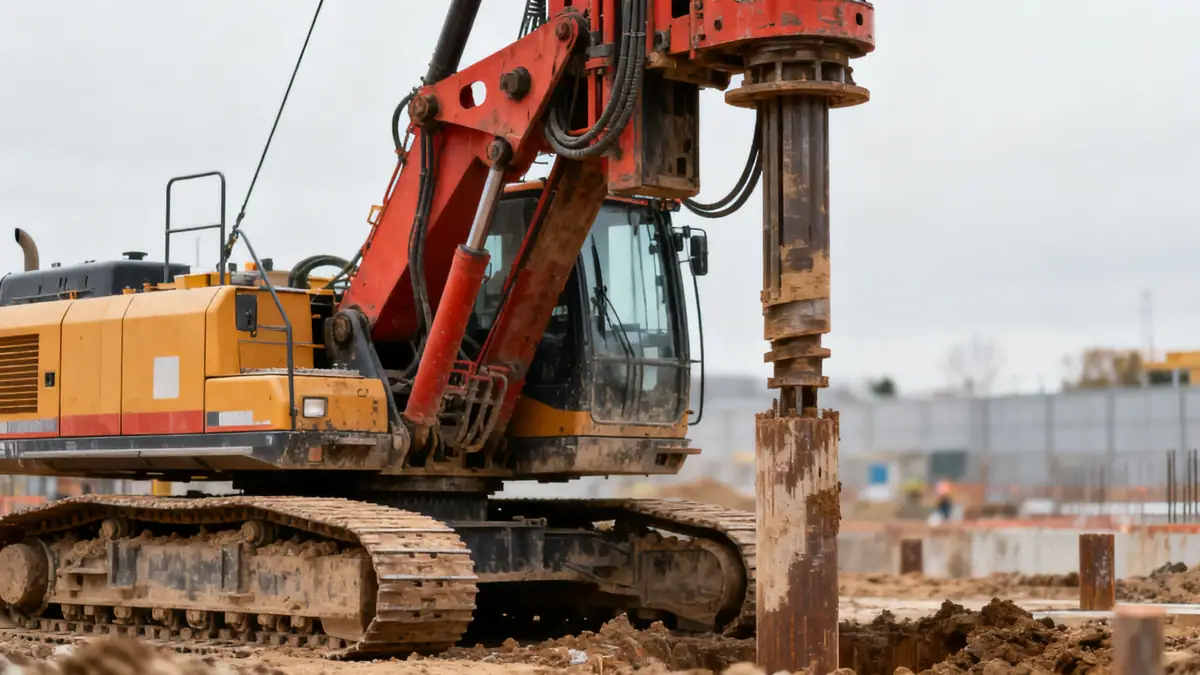
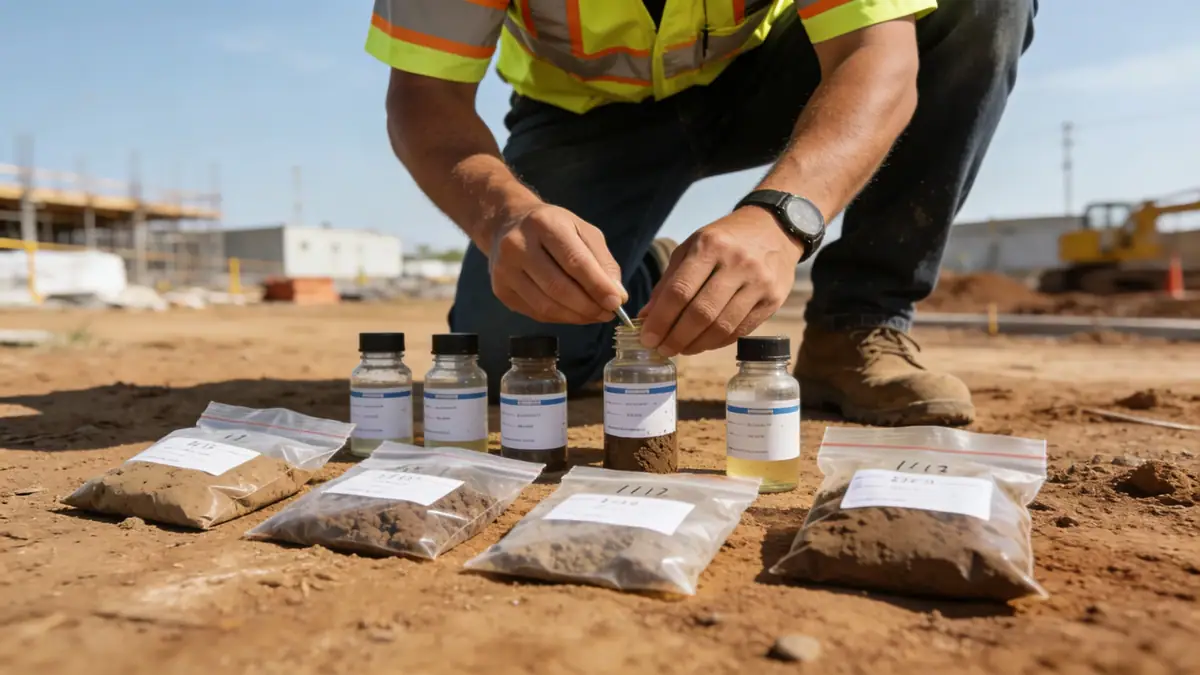
Our methodology in Fort Lauderdale integrates field investigations and laboratory testing tailored to the region's geology. We perform standard penetration tests per ASTM D1586, with typical sampling intervals of 1.0 to 1.5 meters, reaching depths of 15 to 30 meters depending on the project. Our soil mechanics laboratory analyzes soil behavior under local conditions, including high groundwater and loose sands. We prioritize continuous monitoring and data verification to deliver reliable results for foundation design, slope stability, and earthworks in this coastal environment.
Reference Technical Parameters
| Parameter | Reference Value |
|---|---|
| Predominant soil type | Sands and limestone (Miami Limestone, Fort Thompson Formation) |
| Maximum seismic acceleration (PGA) | 0.18g (ASCE 7-16, Site Class C) |
| Typical groundwater level | 1.5 to 3.0 meters below ground surface |
| Bedrock depth | 5 to 15 meters (limestone) |
| Typical N60 range (SPT) | 10 to 40 blows/0.3m (sands); 50+ in limestone |
Local Considerations — Fort Lauderdale
Fort Lauderdale's subsurface is dominated by oolitic limestone and sandy soils, with the water table often within 1.5 meters of the surface. Seismic design per ASCE 7-16 requires peak ground acceleration of 0.18g for Site Class C. Our team addresses these conditions by recommending shallow foundations on limestone or deep foundations through loose sands. For low-rise projects, we often conduct granulometry & atterberg tests to assess soil plasticity and compaction potential. Coastal developments require careful dewatering plans and corrosion-resistant materials. For larger projects, we coordinate with our team in soil mechanics laboratory en Miami to ensure consistent regional standards.
Request a Quote
Our team reviews your project and issues an initial report at no cost.
Or write us directly at [email protected]
Services in Fort Lauderdale
Applicable Standards
- ASTM D1586 (Standard Penetration Test)
- ASCE 7-16 (Minimum Design Loads and Associated Criteria for Buildings)
- ASTM D2487 (Classification of Soils for Engineering Purposes)
- Florida Building Code (2023, 7th Edition)
- ASTM D422 (Particle-Size Analysis)
Frequently Asked Questions
What soil types are common in Fort Lauderdale?
Fort Lauderdale's soils are primarily sands and limestone from the Miami Limestone and Fort Thompson formations. The sand is often loose to medium dense, while limestone provides high bearing capacity. Organic soils and peat may be present in drained wetland areas.
Is seismic design required for Fort Lauderdale?
Yes, per the Florida Building Code (2023) and ASCE 7-16, Fort Lauderdale has a seismic design category of B or C, with a peak ground acceleration of 0.18g. Site-specific seismic analysis is recommended for critical structures.
Are soil studies mandatory for construction in Fort Lauderdale?
Yes, the Florida Building Code requires geotechnical investigations for most structures, especially those with deep foundations or in flood-prone areas. Local regulations may also mandate soil testing for permits, particularly in coastal zones.