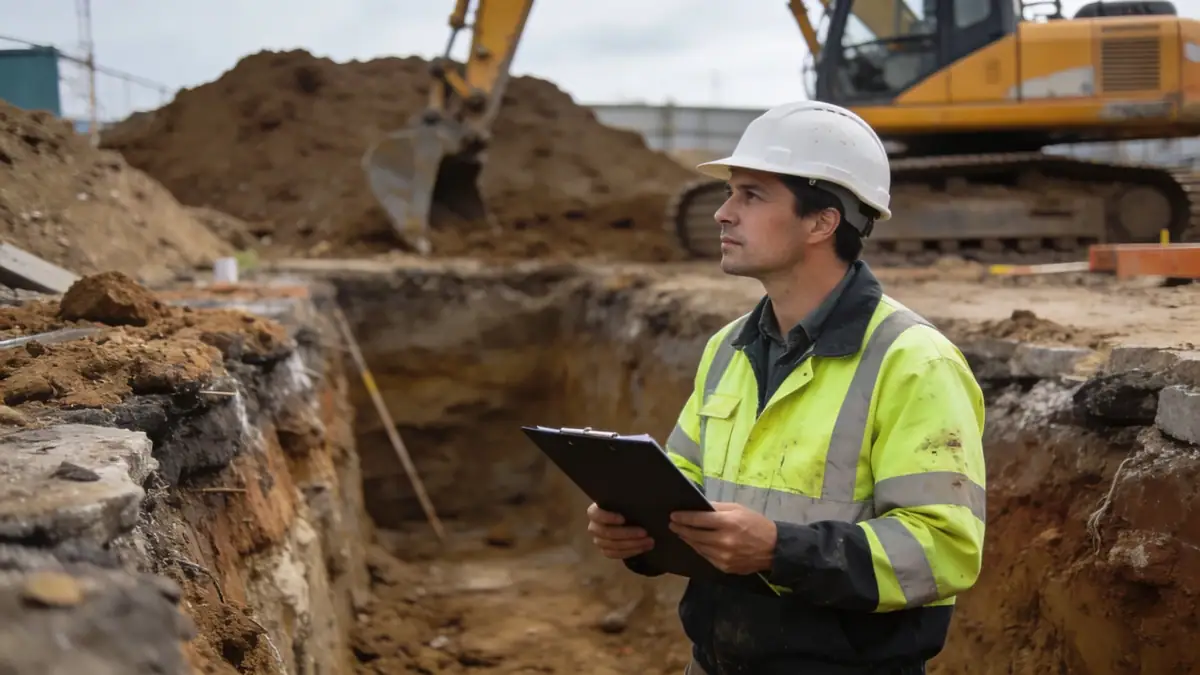
Methodology
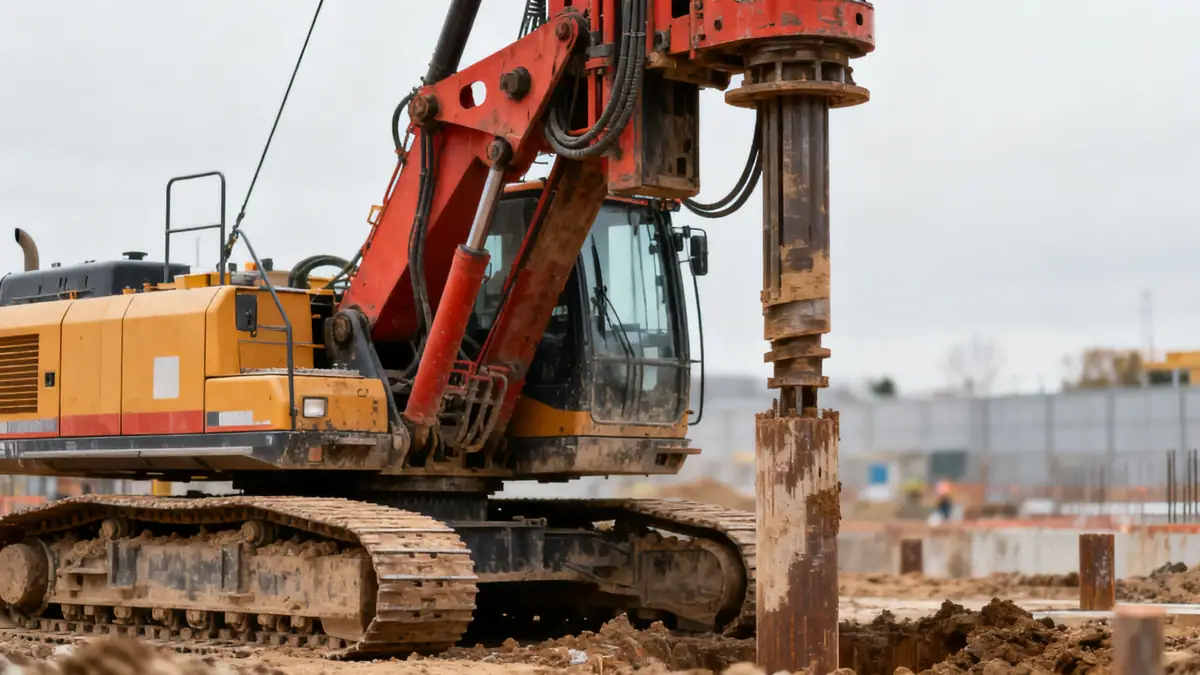
Our methodology for soil mechanics laboratory in Escondido follows a systematic approach. We begin with a detailed site reconnaissance to assess surface conditions and identify potential hazards. Subsurface exploration is conducted using standard penetration tests (SPT) per ASTM D1586, with sampling intervals typically every 1.5 meters to depths of 15 meters for residential projects. For deeper commercial structures, we extend borings to 30 meters. All samples are transported to our laboratory for classification, including granulometry & atterberg limits. We then perform strength and consolidation tests to develop soil profiles and provide recommendations for foundation design. Our reports integrate local seismic parameters and comply with building codes.
Reference Technical Parameters
| Parameter | Reference Value |
|---|---|
| Predominant soil type | Silty sands and clayey sands (SM-SC), with localized alluvial deposits |
| Maximum seismic acceleration (PGA) | 0.4g (based on ASCE 7-16 site class D) |
| Typical groundwater level | 3 to 6 meters below ground surface, varies seasonally |
| Bedrock depth | 10 to 25 meters (weathered granitic bedrock) |
| Typical N60 range | 10 to 30 blows per 0.3m in sandy layers; 4 to 15 in clayey layers |
Local Considerations — Escondido
Escondido's geology is characterized by alluvial fans and terrace deposits overlying granitic bedrock. Seasonal groundwater fluctuations, especially near the Escondido Creek, require careful dewatering plans. Seismic site class D is common, demanding site-specific response analysis per ASCE 7. Older neighborhoods like East Escondido often have undocumented fills, while newer developments in the west encounter competent sands. Typical challenges include expansive clays and liquefaction potential in saturated sands. Our team has extensive experience with these conditions, and we coordinate with proctor & cbr testing to verify compaction. For broader context, our soil mechanics laboratory en Los Angeles provides reference data across Southern California.
Request a Quote
Our team reviews your project and issues an initial report at no cost.
Or write us directly at [email protected]
Services in Escondido
Applicable Standards
- ASTM D1586 (Standard Penetration Test)
- ASCE 7-16 (Minimum Design Loads and Associated Criteria for Buildings)
- California Building Code (CBC) 2022
- ASTM D2487 (Unified Soil Classification System)
Frequently Asked Questions
What soil types are common in Escondido?
Escondido predominantly features silty sands (SM) and clayey sands (SC) from alluvial deposits, with localized areas of expansive clays. Weathered granitic bedrock underlies much of the city at depths of 10 to 25 meters. Understanding these soils is critical for foundation design and seismic analysis.
Is seismic testing required for construction in Escondido?
Yes, due to Escondido's seismic zone (PGA 0.4g), site-specific seismic hazard analysis per ASCE 7 is mandatory for most structures. Our soil mechanics laboratory evaluates liquefaction potential and soil amplification to ensure compliance with the California Building Code.
When is a soil mechanics study mandatory in Escondido?
Soil mechanics studies are required for all new building permits, additions exceeding certain square footage, and projects in geologically hazardous areas. The City of Escondido's building department typically requests a geotechnical report per CBC Chapter 18.