Methodology
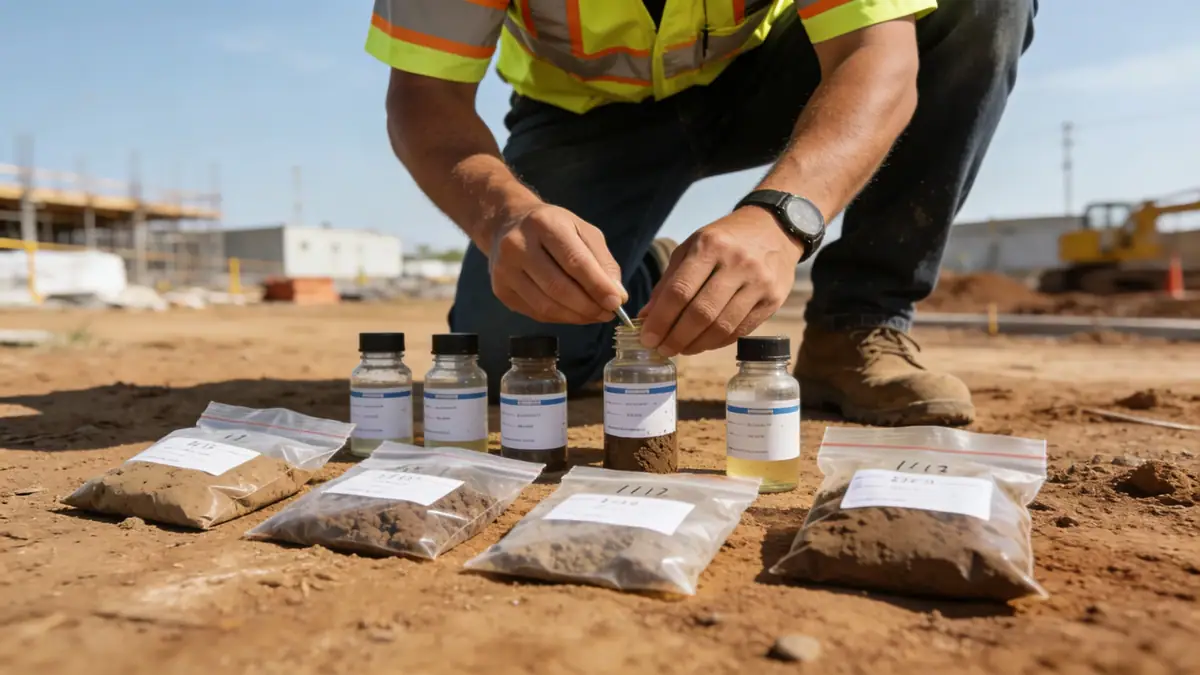
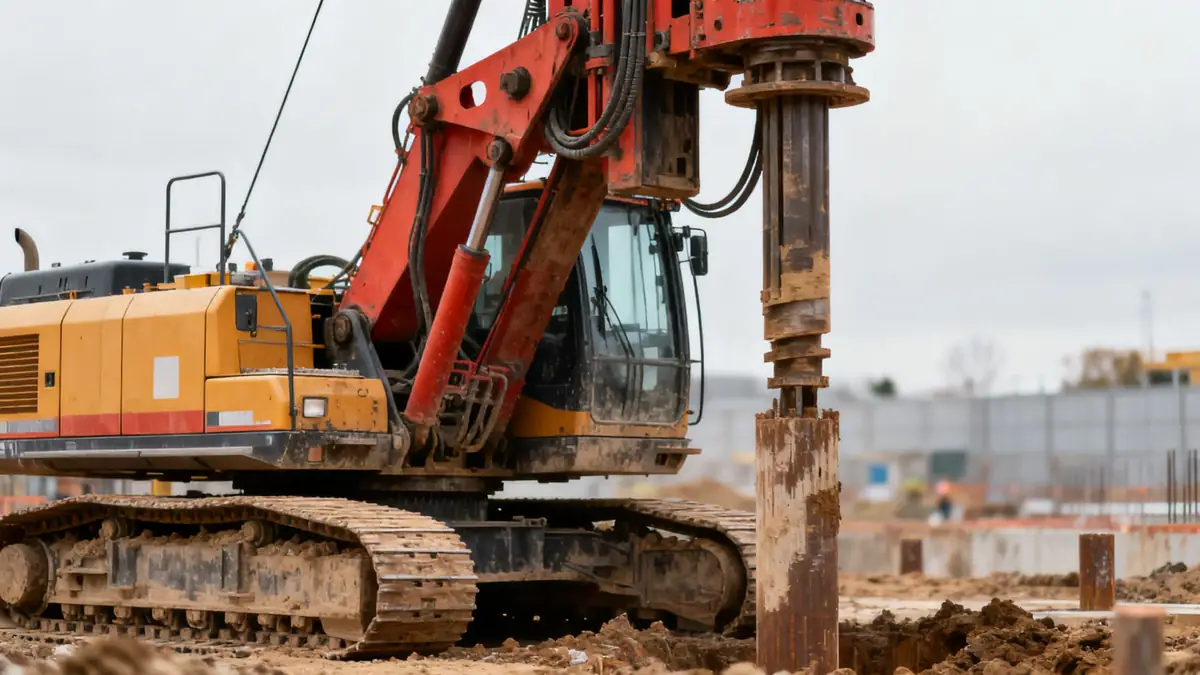
Our approach in Dallas integrates standard geotechnical investigation methods with local geological knowledge. We perform borehole drilling and sampling following ASTM D1586 for Standard Penetration Tests, obtaining disturbed and undisturbed samples at regular intervals. Laboratory testing includes index property determination, strength testing, and consolidation analyses. Our team follows a phased methodology: site reconnaissance, subsurface exploration, laboratory testing, and engineering analysis. This systematic process ensures that our soil mechanics laboratory services in Dallas provide reliable data for foundation design and earthwork projects.
Reference Technical Parameters
| Parameter | Reference Value |
|---|---|
| Predominant soil type | Expansive clay (Eagle Ford Formation) |
| Maximum seismic acceleration (PGA) | 0.07 g (ASCE 7-16) |
| Typical groundwater level | 15–30 ft below surface |
| Bedrock depth | 10–50 ft (Austin Chalk) |
| Typical N60 range | 4–15 blows/ft (clay); 20–50 blows/ft (sand) |
Local Considerations — Dallas
Dallas's geology is dominated by expansive clay soils derived from the Eagle Ford Shale and Taylor Marl, which exhibit high shrink-swell potential. Groundwater levels are typically deep (>15 ft) but can rise after heavy rainfall. Seismic hazard is low, with a peak ground acceleration of 0.07 g per ASCE 7-16. Northern Dallas tends to have more sandy soils, while southern areas have thicker clay deposits. Common geotechnical challenges include foundation heave, slope instability along the Trinity River, and pavement distress. Our granulometry & atterberg services are essential for characterizing these soils. For comprehensive geotechnical support, we also coordinate with our soil mechanics laboratory en Houston team.
Request a Quote
Our team reviews your project and issues an initial report at no cost.
Or write us directly at [email protected]
Services in Dallas
Applicable Standards
- ASTM D1586 (Standard Penetration Test)
- ASTM D698 (Standard Proctor)
- ASTM D4318 (Atterberg Limits)
- ASCE 7-16 (Minimum Design Loads for Buildings)
- International Building Code (IBC 2021)
Frequently Asked Questions
What soil types are most common in Dallas?
Dallas predominantly has expansive clay soils from the Eagle Ford Shale and Taylor Marl formations. These clays have high plasticity and swell potential, requiring careful geotechnical evaluation for foundation design.
Is seismic design required in Dallas?
Yes, but the seismic hazard is low. According to ASCE 7-16, Dallas falls under Seismic Design Category B with a peak ground acceleration of 0.07 g. Basic seismic provisions apply, but advanced analysis is typically not required.
Are geotechnical studies mandatory for construction in Dallas?
While not always legally required for all projects, most local building departments and lenders expect a geotechnical report for new construction, especially for commercial buildings and residential developments on expansive soils.