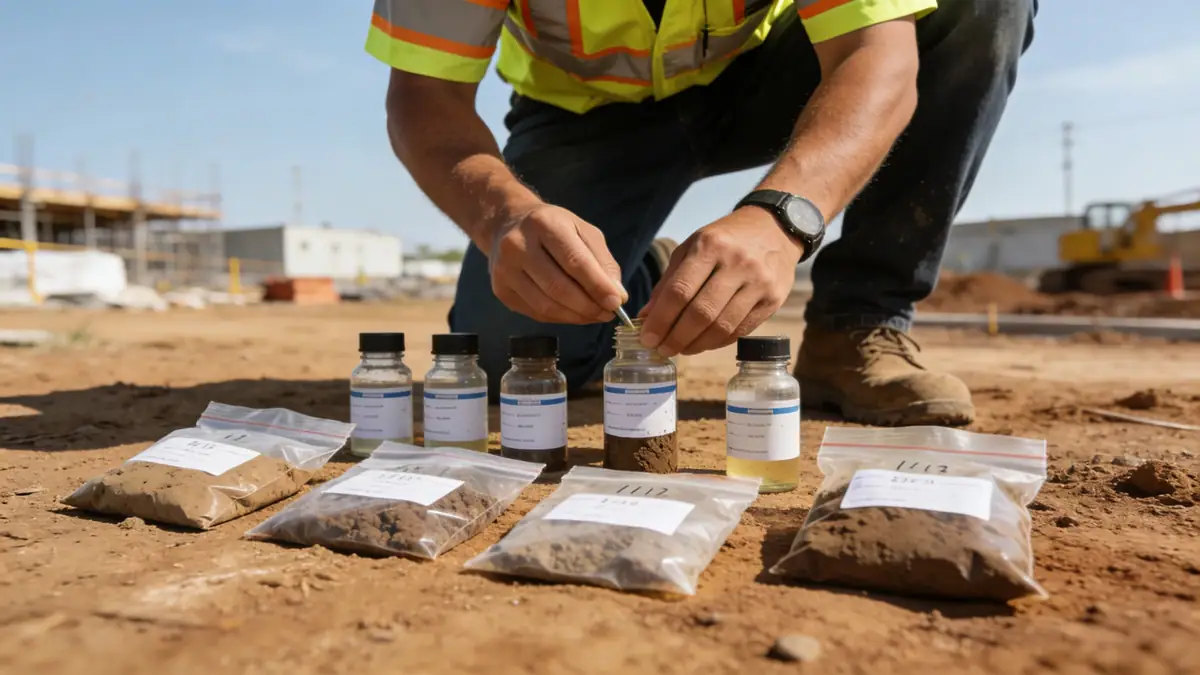
Methodology
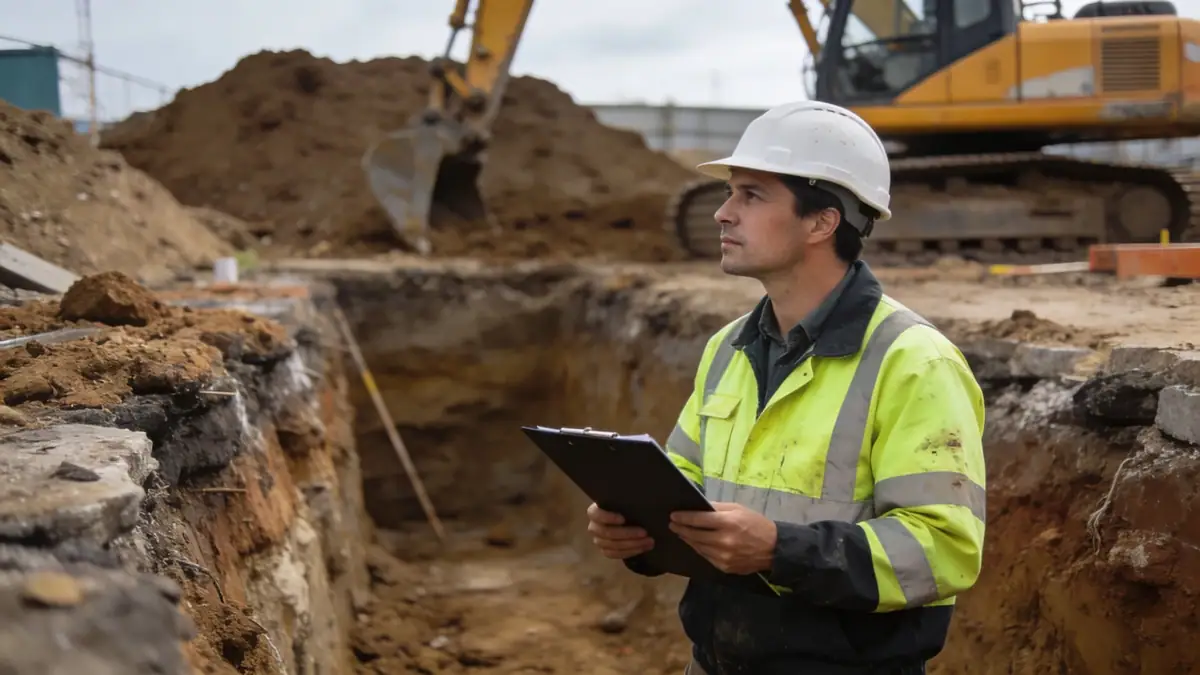
Our methodology for soil mechanics laboratory work in Corona California follows a phased approach tailored to each site’s geology and project type. Field investigations typically include standard penetration testing (SPT) per ASTM D1586, with sampling intervals every 1.0 to 1.5 meters to capture stratigraphic changes. For projects requiring continuous profiles, we deploy cone penetration testing (CPT) with readings at 2 cm intervals. All samples are transported to our laboratory for classification tests, including grain size analysis and Atterberg limits. Our team integrates these results with local seismic hazard data to evaluate liquefaction potential and bearing capacity. This systematic process ensures that our soil mechanics laboratory reports provide actionable recommendations for Corona California projects.
Reference Technical Parameters
| Parameter | Reference Value |
|---|---|
| Predominant soil type | Alluvial sands, silts, and clays; colluvium on hillsides |
| Maximum seismic acceleration (PGA) | 0.4g to 0.6g (ASCE 7 seismic design category D–E) |
| Typical groundwater level | 3 to 10 m below grade in valley; >15 m in hills |
| Bedrock depth | 5 to 20 m in hills; >30 m in alluvial plains |
| Typical N60 range (SPT) | 10–30 blows/ft in alluvium; >50 in weathered bedrock |
Local Considerations — Corona California
Corona California lies within the Peninsular Ranges geomorphic province, characterized by Mesozoic granitic and metamorphic bedrock overlain by Quaternary alluvial deposits. The eastern hillsides present shallow bedrock and colluvial soils prone to landslides, requiring careful slope stability analysis. In contrast, the western valley has deep alluvial sequences with high groundwater, increasing liquefaction potential during seismic events. Our team has addressed these conditions on numerous projects, from hillside residential developments to valley-floor commercial centers. For regional context, our soil mechanics laboratory en Los Angeles team applies similar methodologies to adjacent markets. Local geotechnical reports must comply with the Corona Municipal Code and California Geological Survey guidelines.
Request a Quote
Our team reviews your project and issues an initial report at no cost.
Or write us directly at [email protected]
Services in Corona California
Applicable Standards
- ASTM D1586 (Standard Penetration Test)
- ASCE 7 (Minimum Design Loads for Buildings and Other Structures)
- California Building Code (CBC) Chapter 18 (Soils and Foundations)
- ASTM D2487 (Unified Soil Classification System)
- ASTM D422 (Grain Size Analysis)
Frequently Asked Questions
What are the typical soil types encountered in Corona California?
The predominant soils in Corona California are alluvial sands, silts, and clays in the valley, with colluvial and residual soils over granitic bedrock on the hillsides. Expansive clays are also present locally, requiring careful evaluation for foundation design.
Is soil testing mandatory for construction in Corona California?
Yes, the California Building Code requires a geotechnical investigation for most new structures, especially in seismic zones. Local enforcement agencies typically mandate soil reports for permits, including liquefaction and slope stability assessments.
How does seismic activity affect soil mechanics in Corona California?
Corona California is in a high seismic region (PGA up to 0.6g). Soils are susceptible to liquefaction in saturated alluvial deposits and to strength loss during shaking. Our laboratory tests evaluate cyclic resistance and settlement potential under design earthquakes.