Methodology
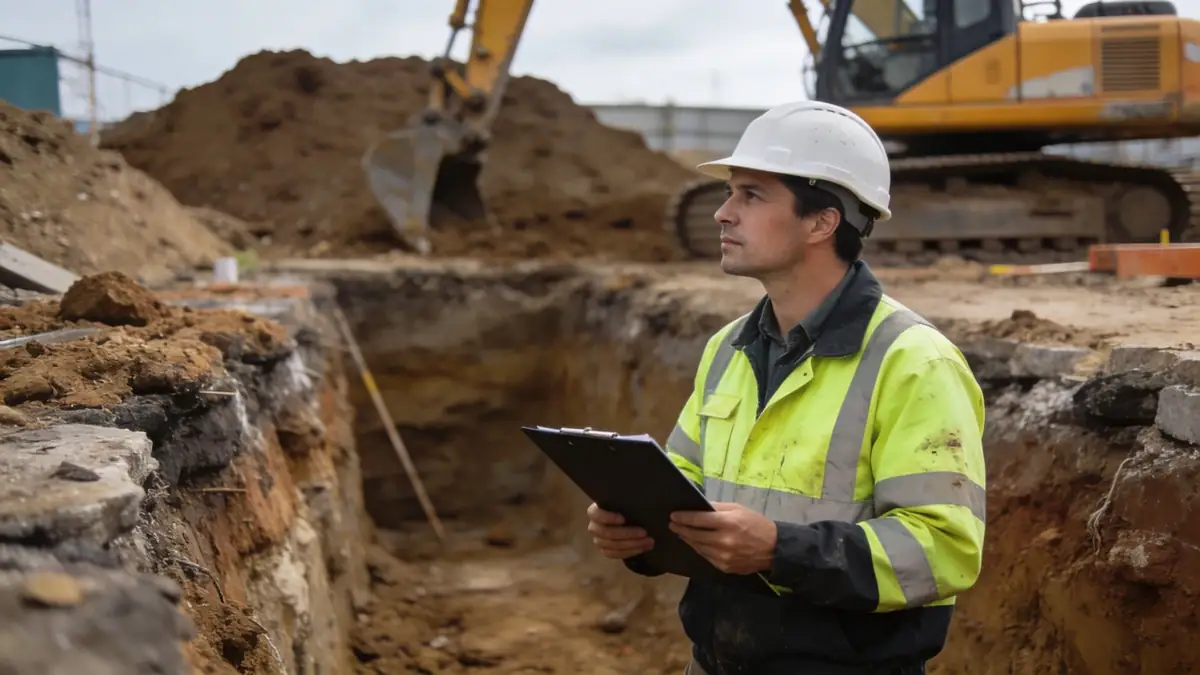
Our methodology in Columbia South Carolina begins with a thorough review of existing geological maps and records to identify potential subsurface hazards. We then conduct field investigations using standard penetration testing (SPT) per ASTM D1586, with sampling intervals typically every 1.5 meters to capture stratigraphic changes. For cohesive soils, we employ thin-walled tube sampling to obtain undisturbed specimens for laboratory testing. Our soil mechanics laboratory services include classification, strength, and consolidation tests tailored to the local Piedmont and Coastal Plain deposits. All procedures follow ASTM and AASHTO standards, ensuring data reliability for foundation design and earthwork construction in the region.
Reference Technical Parameters
| Parameter | Reference Value |
|---|---|
| Predominant soil type | Sandy loam and clayey sand over weathered gneiss |
| Maximum seismic acceleration (PGA) | 0.15g (ASCE 7-16, Site Class C) |
| Typical groundwater level | 2 to 6 meters below ground surface |
| Bedrock depth | 5 to 15 meters (weathered rock zone) |
| Typical N60 range (SPT) | 10 to 35 blows per 0.3m |
Local Considerations — Columbia South Carolina
Columbia South Carolina lies at the fall line between the Piedmont and Coastal Plain provinces, resulting in highly variable soil profiles. The Piedmont region features residual soils derived from crystalline rock, often with high plasticity and shrink-swell potential, while the Coastal Plain contains unconsolidated sands and clays. Seismic design per ASCE 7 requires site-specific response spectra due to moderate seismicity. Groundwater levels fluctuate seasonally, impacting excavation stability. Our team integrates these local factors into every investigation, referencing the South Carolina Geological Survey data. For broader regional context, our soil mechanics laboratory en Atlanta offers parallel expertise in similar geological settings.
Request a Quote
Our team reviews your project and issues an initial report at no cost.
Or write us directly at [email protected]
Services in Columbia South Carolina
Applicable Standards
- ASTM D1586 (Standard Penetration Test)
- ASCE 7-16 (Minimum Design Loads for Buildings)
- ASTM D2487 (Unified Soil Classification System)
- ASTM D2435 (One-Dimensional Consolidation)
- South Carolina Building Code (IBC 2018)
Frequently Asked Questions
What are the typical soil types encountered in Columbia South Carolina?
Columbia South Carolina has two main soil provinces: Piedmont residual soils (silty sands, clays over weathered bedrock) and Coastal Plain deposits (sands, silts, and clays). The fall line transition zone can exhibit a mix of both, requiring careful subsurface investigation for each site.
Is seismic design required for projects in Columbia South Carolina?
Yes, Columbia South Carolina is in a moderate seismic zone per ASCE 7-16. Site-specific ground motion analysis is often needed, especially for critical facilities. Our team performs seismic site classification and response spectrum analysis to comply with local building codes.
Are soil mechanics laboratory studies mandatory for construction in Columbia?
While not always legally required for all projects, most lenders, insurers, and engineers mandate geotechnical investigations for commercial and residential developments. Local practice strongly recommends soil testing to mitigate risks of settlement, slope instability, and foundation failure.