Methodology
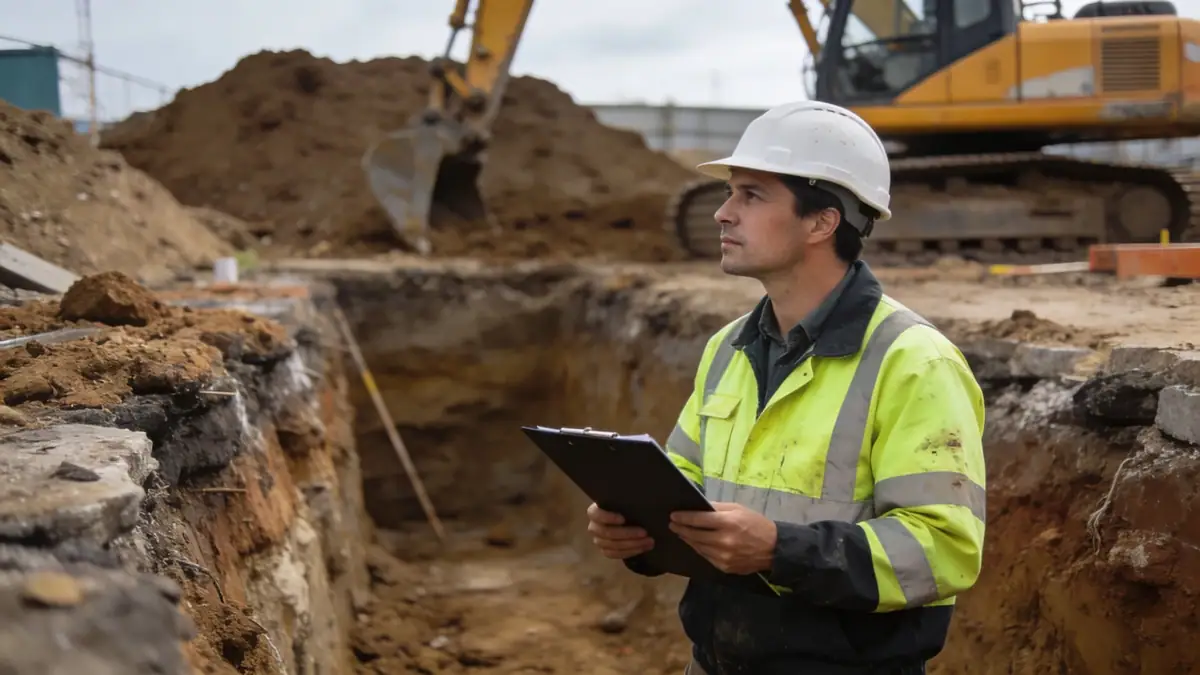
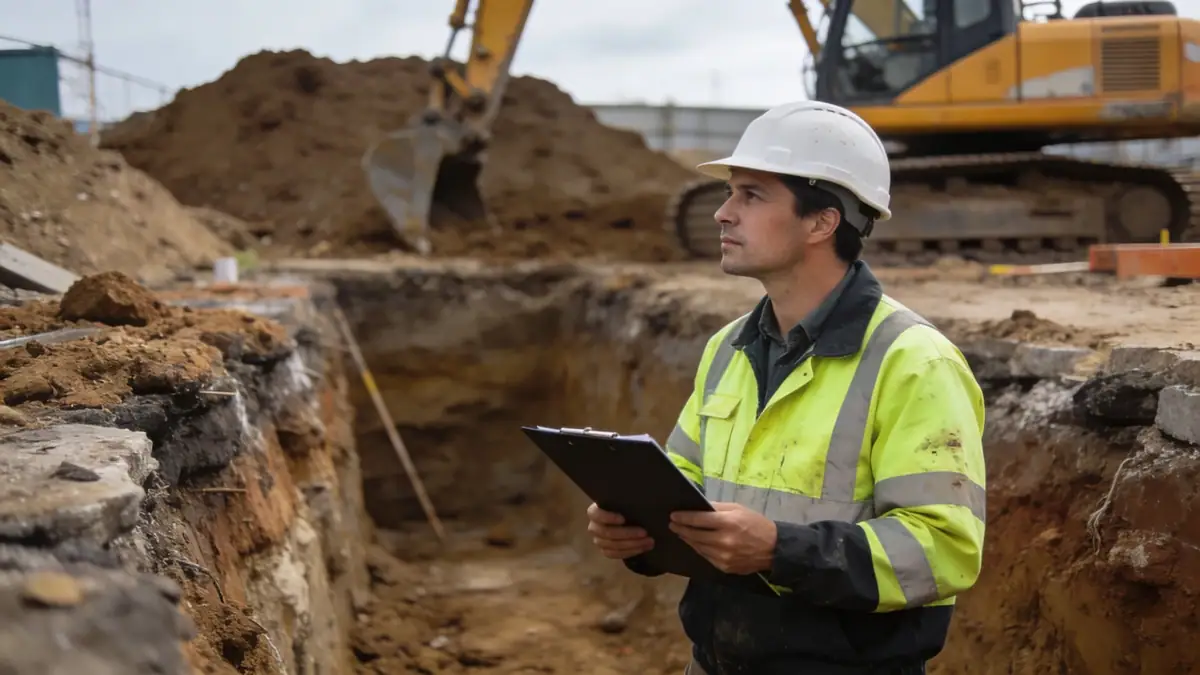
Our methodology for soil mechanics laboratory work in Chesapeake follows established ASTM and USACE standards. We conduct site investigations using soil mechanics laboratory techniques, including SPT borings per ASTM D1586 at 1.5 m intervals to depths of 15 m, continuous CPT soundings, and test pits to 3 m. Laboratory testing includes grain size analysis, Atterberg limits, Proctor compaction, CBR, triaxial shear, and consolidation. Field and lab data are integrated to develop site-specific geotechnical parameters for foundation design, slope stability, and pavement analysis. Our systematic approach ensures reliable results for Chesapeake's variable subsurface conditions.
Reference Technical Parameters
| Parameter | Reference Value |
|---|---|
| Predominant soil type | Sandy loam and clayey silt with organic deposits |
| Maximum seismic acceleration (PGA) | 0.15g (ASCE 7-22, Site Class D) |
| Typical groundwater level | 1.5 to 3.0 m below ground surface |
| Bedrock depth | >30 m (coastal plain sediments) |
| Typical N60 range | 4–15 blows/ft (loose to medium dense sands) |
Local Considerations — Chesapeake
Chesapeake's geology is dominated by Quaternary sediments of the Chesapeake Bay estuary, with sand, silt, clay, and organic peat layers. High groundwater levels (1.5–3 m) require dewatering and uplift considerations. Seismic site classification per ASCE 7-22 typically falls into Site Class D or E due to soft soils. The city's contrast between older urban areas (e.g., Deep Creek) and newer developments (e.g., Western Branch) presents variable fill and native soil conditions. Common challenges include settlement on organic soils and liquefaction potential in loose sands. Our team also supports projects via our granulometry & atterberg services to characterize fine-grained soils accurately.
Request a Quote
Our team reviews your project and issues an initial report at no cost.
Or write us directly at [email protected]
Services in Chesapeake
Applicable Standards
- ASTM D1586
- ASCE 7-22
- ASTM D2487
- ASTM D698
- ASTM D1557
Frequently Asked Questions
What are the typical soil types found in Chesapeake?
Chesapeake's soils consist mainly of sandy loam, clayey silt, and organic deposits from the coastal plain. These layers vary in thickness and can include peat, requiring careful geotechnical evaluation for foundation design.
Is seismic analysis required for projects in Chesapeake?
Yes, per ASCE 7-22, Chesapeake falls into moderate seismic hazard zones. Site-specific seismic analysis is necessary for most structures, especially on soft soils (Site Class D or E) that amplify ground motions.
Are geotechnical studies mandatory for construction in Chesapeake?
While not always legally required for single-family homes, most commercial and multi-family projects mandate a geotechnical report. Local building officials often request it for permit approval, especially in areas with high water tables or soft soils.