Methodology
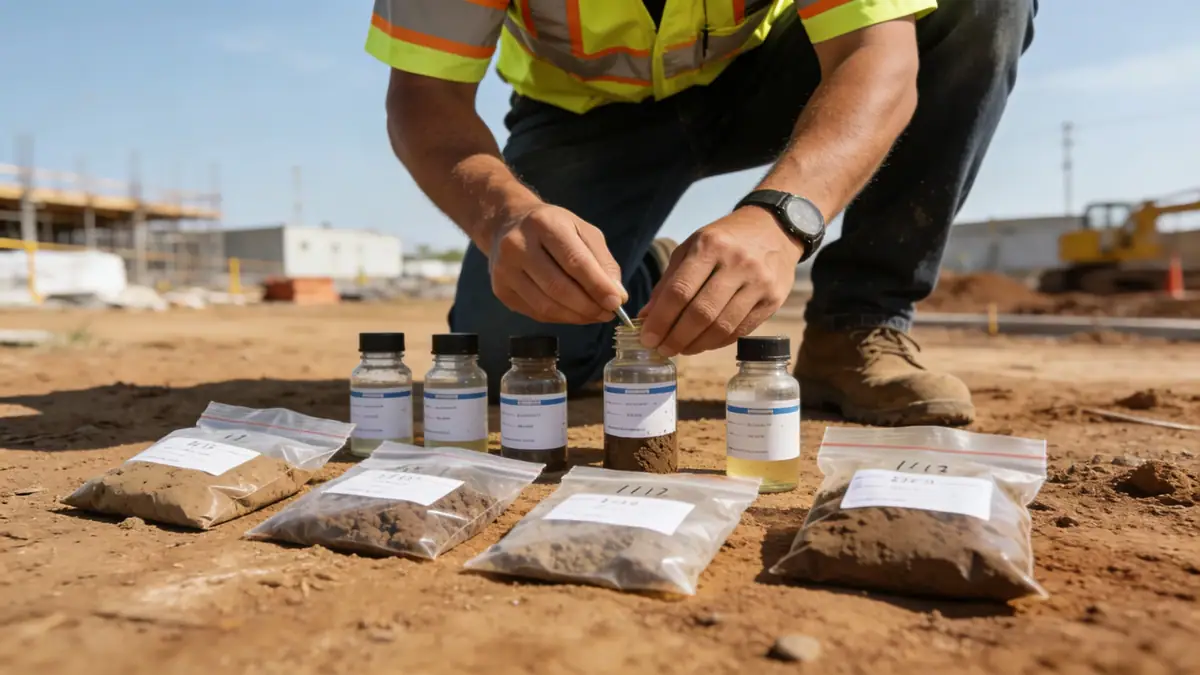
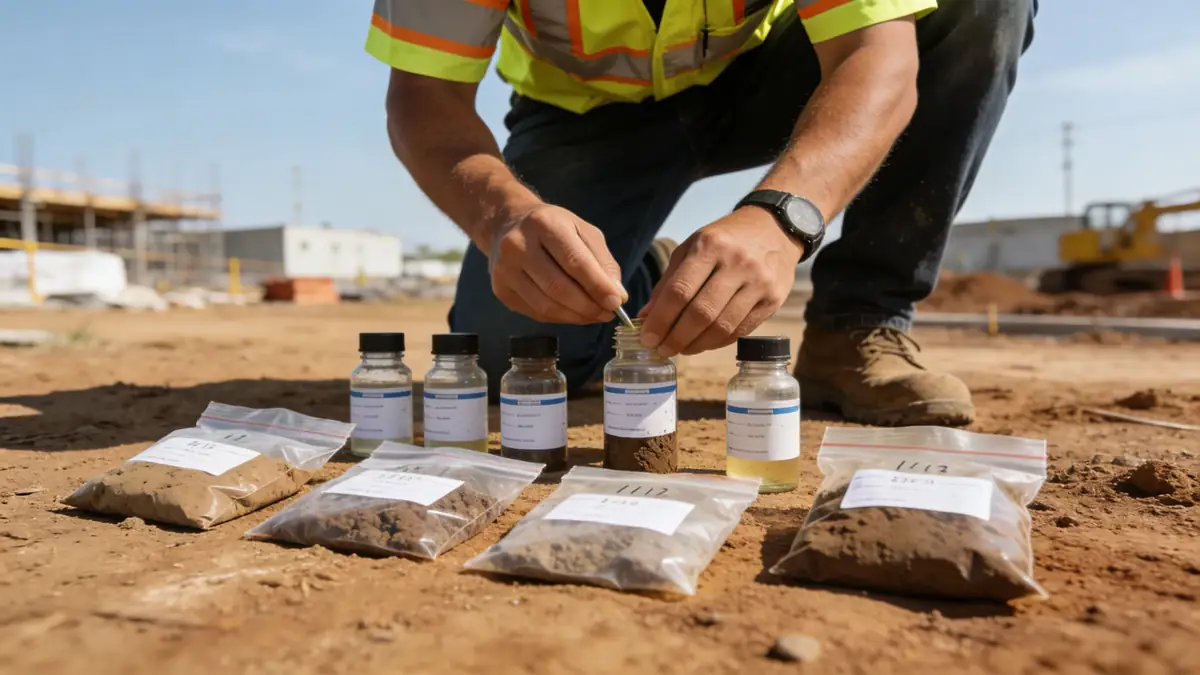
Our methodology for soil mechanics laboratory in Chattanooga follows a systematic approach aligned with ASTM and local standards. We begin with a detailed site reconnaissance to assess geological context and identify potential hazards. Field investigations, including standard penetration testing per ASTM D1586, are conducted at intervals of 1.0 to 1.5 meters, reaching depths of 8 to 15 meters for typical residential projects. Samples are transported to our laboratory, where granulometry & atterberg testing is performed to classify soils and determine plasticity characteristics. Additional proctor & cbr testing evaluates compaction and bearing capacity. All procedures are documented to ensure traceability and compliance with project specifications.
Reference Technical Parameters
| Parameter | Reference Value |
|---|---|
| Predominant soil type | Alluvial silts and clays; residual sandy clays |
| Maximum seismic acceleration (PGA) | 0.15 g (ASCE 7-16 site class D) |
| Typical groundwater level | 2 to 5 meters below ground surface |
| Bedrock depth | 10 to 30 meters (variable) |
| Typical N60 range | 4 to 25 blows per 300 mm |
Local Considerations — Chattanooga
Chattanooga's geology is shaped by the Tennessee River valley and the surrounding Appalachian foothills. The predominant soils are alluvial silts and clays near the river, and residual sandy clays overlying limestone bedrock on higher terrains. Groundwater levels are typically shallow (2–5 m), requiring careful dewatering considerations. Seismic hazard is moderate, with a maximum PGA of 0.15 g per ASCE 7-16. Older downtown areas may have undocumented fill, while newer developments in East Brainerd and North Chattanooga often encounter weathered limestone. Our firm has extensive experience in these conditions. For projects requiring broader regional support, we also coordinate with our soil mechanics laboratory en Atlanta.
Request a Quote
Our team reviews your project and issues an initial report at no cost.
Or write us directly at [email protected]
Services in Chattanooga
Applicable Standards
- ASTM D1586 (Standard Penetration Test)
- ASCE 7-16 (Minimum Design Loads for Buildings)
- IBC 2021 (International Building Code)
- Tennessee Department of Transportation Standard Specifications
Frequently Asked Questions
What are the typical soil types encountered in Chattanooga?
Chattanooga soils are primarily alluvial deposits from the Tennessee River (silts, clays) and residual soils from weathered limestone (sandy clays). These materials often exhibit moderate plasticity and variable bearing capacities, requiring site-specific testing for foundation design.
Does Chattanooga have specific seismic design requirements?
Yes, Chattanooga is in a moderate seismic zone per ASCE 7-16, with a maximum PGA of 0.15 g. Site-specific soil amplification factors must be considered, especially for soft alluvial deposits. Our laboratory provides data to assess liquefaction potential and dynamic properties.
Are geotechnical studies mandatory for construction in Chattanooga?
While not always legally required for small residential projects, most local building officials recommend or require a geotechnical report for commercial structures, multi-story buildings, and projects on steep slopes or near waterways. Lenders and insurers may also mandate such studies.