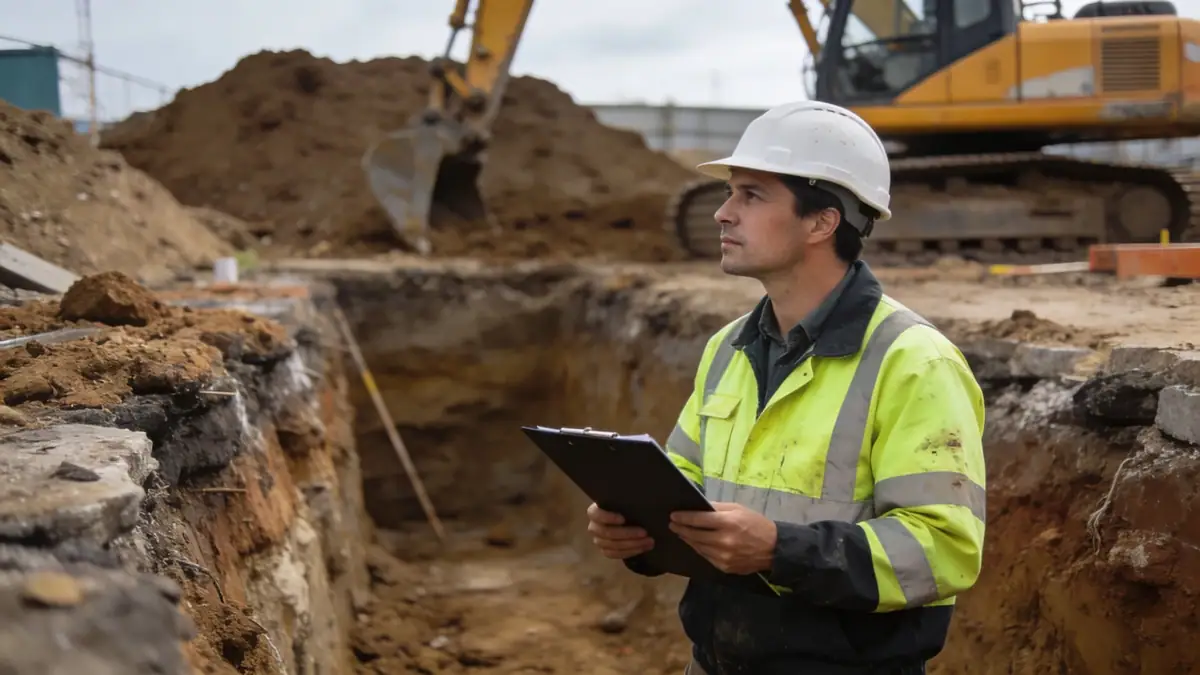
Methodology
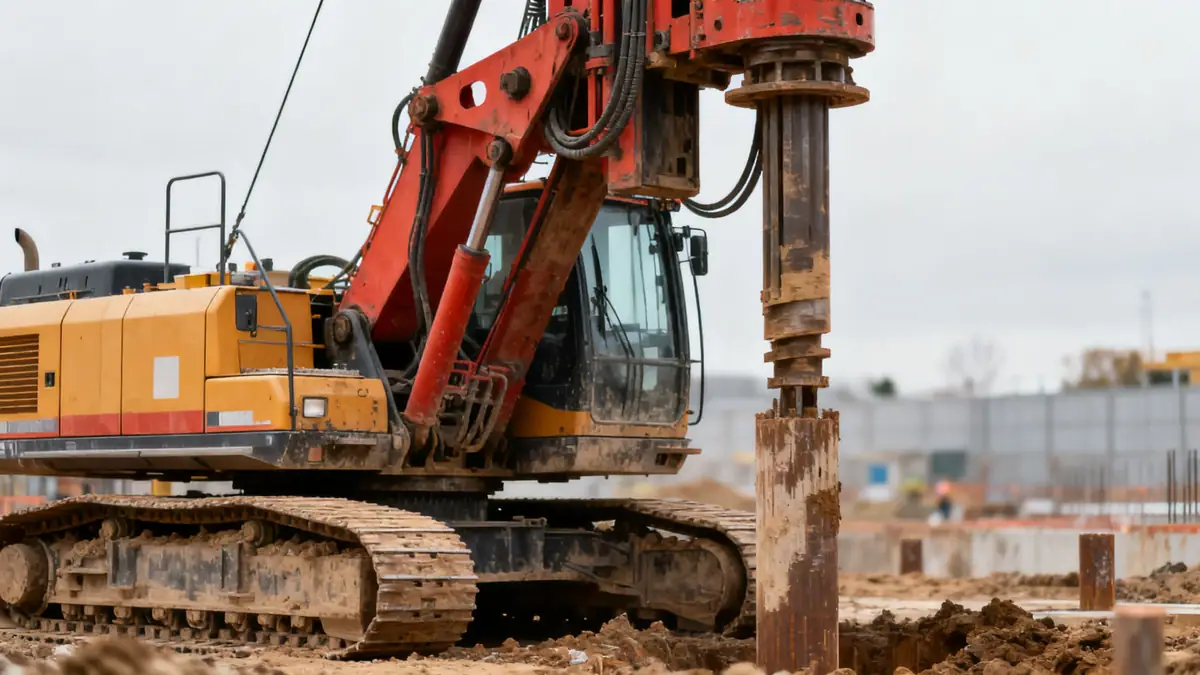
Our approach to soil mechanics laboratory in Charlotte integrates systematic field investigations with advanced laboratory testing. We conduct standard penetration tests (SPT) per ASTM D1586 to assess soil resistance and collect disturbed samples at 1.0–1.5 m intervals. For fine-grained soils, we perform Atterberg limits and hydrometer analysis to classify plasticity and grain size distribution. In cohesive soils, unconfined compression tests provide undrained shear strength estimates. All procedures follow ASTM and AASHTO standards, and our soil mechanics laboratory in Charlotte is equipped with calibrated instrumentation to ensure accuracy and traceability.
Reference Technical Parameters
| Parameter | Reference Value |
|---|---|
| Predominant soil type | Residual silt and clay (saprolite) over weathered granite/gneiss |
| Maximum seismic acceleration (PGA) | 0.15g to 0.20g (ASCE 7-16, Site Class C–D) |
| Typical groundwater level | 2–6 m below ground surface, variable with season |
| Depth to bedrock | 3–10 m in most areas; deeper in valley fills |
| Typical N60 range (SPT) | 10–30 blows/0.3 m in residual soils; >50 in weathered rock |
Local Considerations — Charlotte
Charlotte's geology is dominated by Piedmont residual soils derived from crystalline bedrock. These soils are often heterogeneous, with variable thickness and strength. Shallow groundwater in valley bottoms requires careful dewatering and drainage design. Seismic design per ASCE 7-16 demands site-specific response analysis for critical structures. Our team has extensive experience in these conditions, supporting projects from residential subdivisions to commercial towers. For broader regional expertise, our soil mechanics laboratory en Atlanta provides additional resources for clients operating across the Southeast.
Request a Quote
Our team reviews your project and issues an initial report at no cost.
Or write us directly at [email protected]
Services in Charlotte
Applicable Standards
- ASTM D1586 (Standard Penetration Test)
- ASTM D2487 (Unified Soil Classification System)
- ASTM D4318 (Atterberg Limits)
- ASCE 7-16 (Minimum Design Loads for Buildings)
- IBC 2021 (International Building Code)
Frequently Asked Questions
What soil types are commonly found in Charlotte?
Charlotte's soils are predominantly residual silts and clays (saprolite) overlying weathered granite and gneiss. These soils are often stiff to very stiff but can be highly variable in thickness and strength, requiring careful site-specific investigation.
How does seismic design affect foundations in Charlotte?
Charlotte is in seismic design category C per ASCE 7-16, with peak ground accelerations up to 0.20g. This necessitates site-specific soil response analysis for many structures, especially those with irregular geometry or on soft soils.
Is a geotechnical study mandatory for construction in Charlotte?
While not always legally required for small residential projects, most local building departments recommend or require a geotechnical report for commercial and multi-story buildings. Lenders and insurers often mandate such studies to mitigate risk.