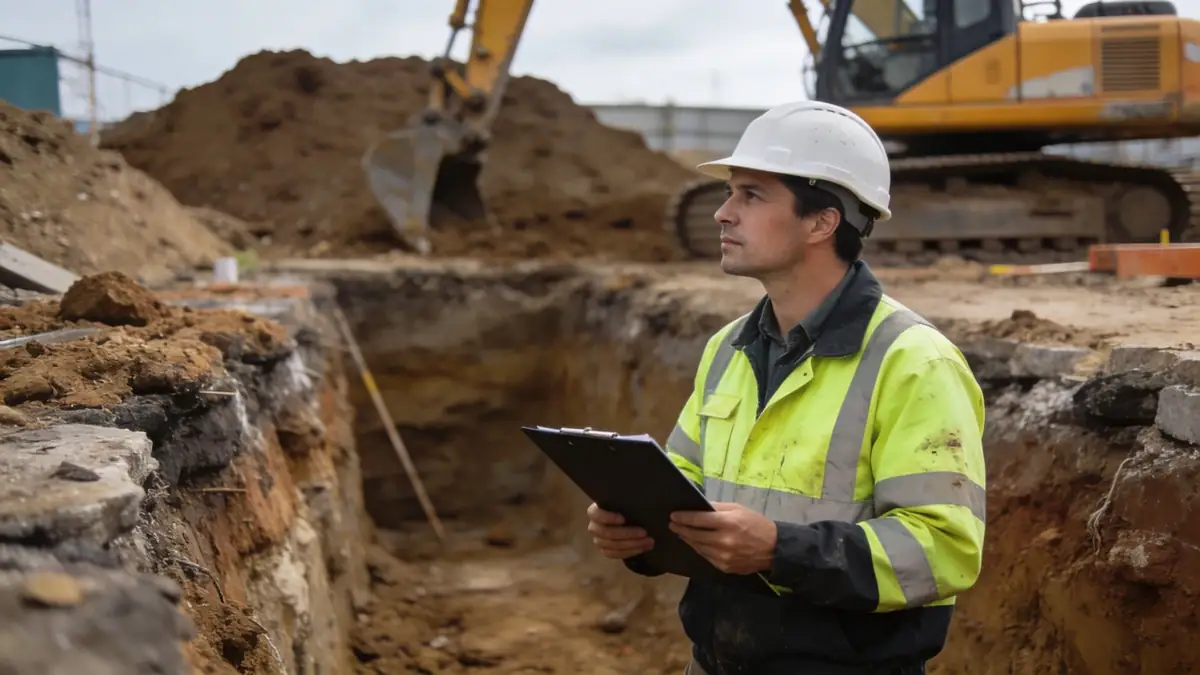
Methodology
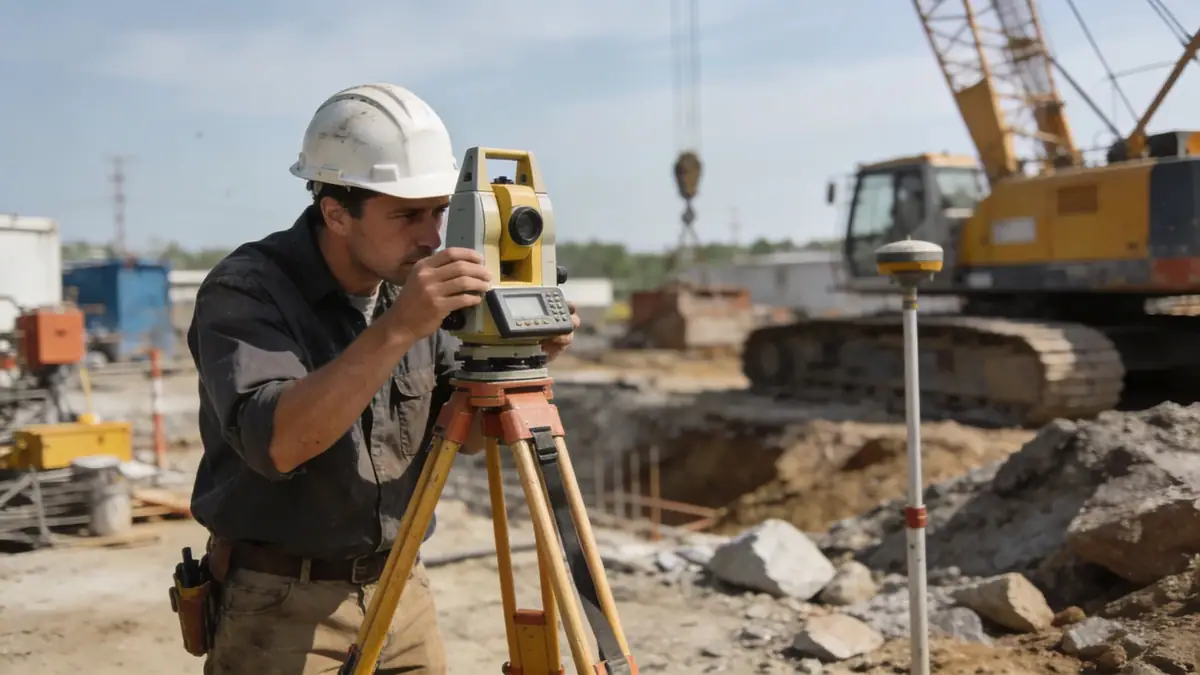
Our methodology for soil mechanics laboratory work in Cary, North Carolina, follows ASTM D1586 for Standard Penetration Tests (SPT) to characterize subsurface conditions. We perform continuous sampling at 1.5 m intervals to depths of 15–20 m for typical projects, with N60 values ranging from 5 to 30 blows per foot in residual soils. Our soil mechanics laboratory procedures include moisture content, unit weight, and Atterberg limits to classify soils per the Unified Soil Classification System. This systematic approach provides reliable data for foundation design and earthwork in Cary's Piedmont terrain.
Reference Technical Parameters
| Parameter | Reference Value |
|---|---|
| Predominant soil type | Residual silty sand (SM) and sandy silt (ML) |
| Maximum seismic acceleration (PGA) | 0.20 g (ASCE 7-16, Site Class C) |
| Typical groundwater level | 5–10 m below grade |
| Bedrock depth | 15–30 m (weathered gneiss/schist) |
| Typical N60 range | 5–30 blows/ft (residual zone) |
Local Considerations — Cary North Carolina
Cary's Piedmont geology presents variable soil profiles, with steep transitions from residual soils to saprolite. Our team accounts for these conditions, often encountering high-plasticity clays in western neighborhoods near Jordan Lake. For developments in the Preston area, we recommend deeper borings due to deeper bedrock. Typical residential projects require 2–3 borings to 10 m depth, while commercial structures may need 4–6 borings to 20 m. Our granulometry & atterberg testing helps classify these soils accurately. We also coordinate with local codes, referencing ASCE 7 for seismic design in this moderate-risk zone. Our proximity to soil mechanics laboratory en Philadelphia allows us to share best practices across regions.
Request a Quote
Our team reviews your project and issues an initial report at no cost.
Or write us directly at [email protected]
Services in Cary North Carolina
Applicable Standards
- ASTM D1586
- ASCE 7-16
- IBC 2021 (adopted by North Carolina)
- North Carolina Building Code
Frequently Asked Questions
What are the typical soil conditions in Cary, North Carolina?
Cary is underlain by Piedmont residual soils, primarily silty sands and sandy silts, with saprolite zones. Groundwater is typically at 5–10 m depth, and bedrock (gneiss/schist) is encountered at 15–30 m. These conditions require careful evaluation for foundation design.
Is seismic analysis required for construction in Cary?
Yes, the North Carolina Building Code adopts ASCE 7, which maps Cary in a moderate seismic zone with PGA around 0.20 g for Site Class C. A site-specific response analysis may be needed for critical structures per code provisions.
Are soil mechanics laboratory studies mandatory for building permits in Cary?
While not always mandatory for small residential projects, most commercial and multi-family developments require a geotechnical report. Local building officials often request soil classification and bearing capacity data to ensure compliance with the North Carolina Building Code.