Methodology
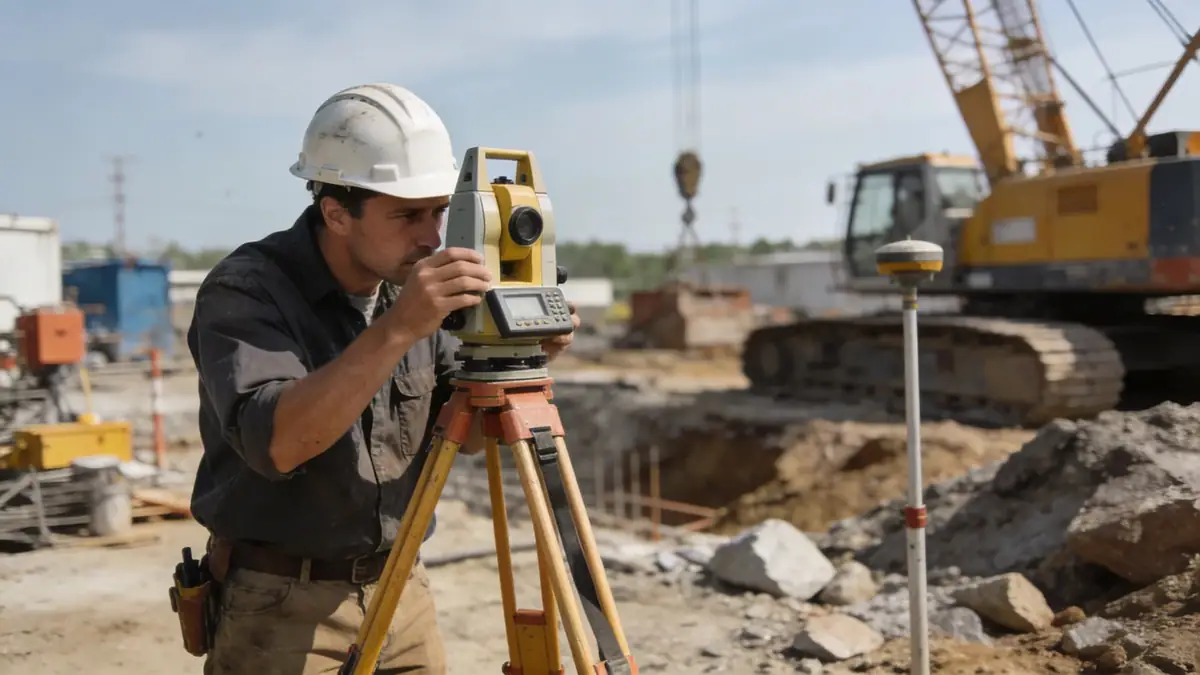
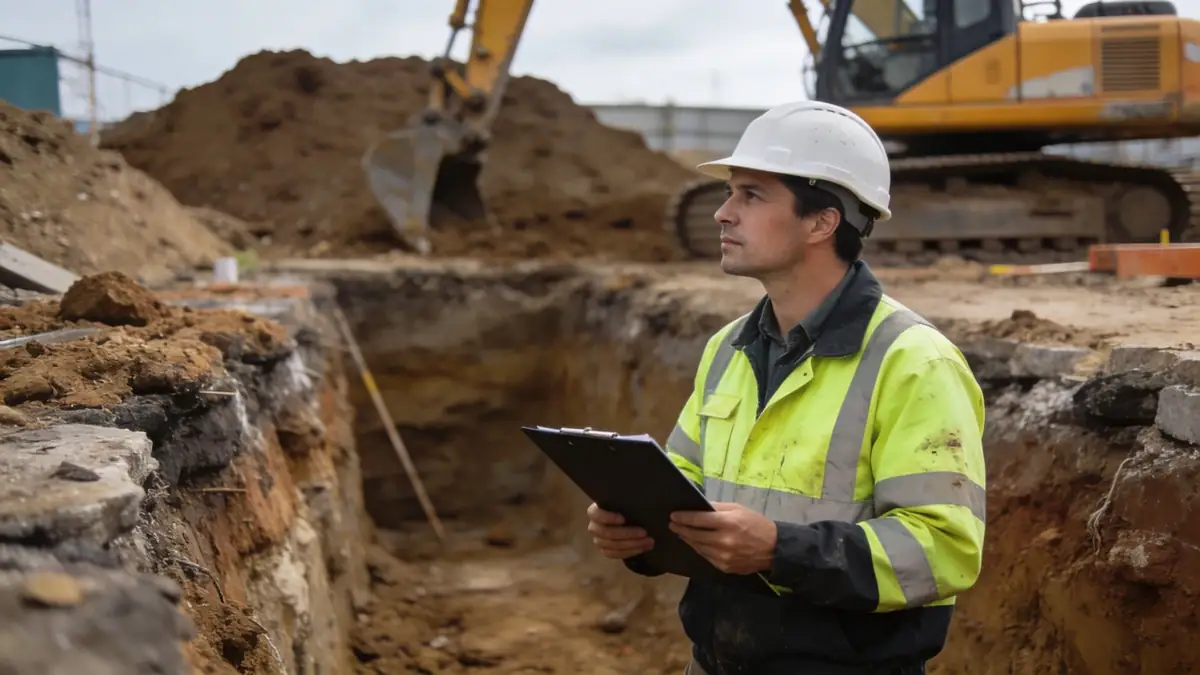
Our approach to soil mechanics laboratory in Cape Coral follows a phased investigation. We begin with a desktop study of local geotechnical reports and USGS data, then deploy field exploration using standard penetration testing (SPT) per ASTM D1586 at 1.5 m intervals to depths of 12–20 m. Undisturbed samples are retrieved for lab testing. Our soil mechanics laboratory procedures include grain size analysis, Atterberg limits, Proctor compaction, and shear strength tests. All results are interpreted in the context of Cape Coral's high water table and loose sands, ensuring design parameters reflect actual site conditions.
Reference Technical Parameters
| Parameter | Reference Value |
|---|---|
| Predominant soil type | Sands and silty sands (SP, SM), with occasional organic layers |
| Maximum seismic acceleration (PGA) | 0.10–0.15 g (ASCE 7 Site Class D) |
| Typical groundwater level | 1.0–2.5 m below ground surface |
| Bedrock depth | > 30 m (limestone formation) |
| Typical N60 range | 5–25 blows/0.3 m |
Local Considerations — Cape Coral
Cape Coral's geology is dominated by Pleistocene sands and shell beds overlying the Hawthorne Formation. The shallow water table—often less than 2 m deep—requires dewatering considerations for excavations. Loose sands can lead to liquefaction potential under seismic loading; our analyses follow ASCE 7-16 criteria. Development along artificial canals often encounters heterogeneous fill, necessitating careful SPT sampling. For large projects, we recommend multiple borings to capture variability. Our team is experienced with local conditions and can coordinate with the city's building department for permitting. For regional context, see our soil mechanics laboratory en Miami page.
Request a Quote
Our team reviews your project and issues an initial report at no cost.
Or write us directly at [email protected]
Services in Cape Coral
Applicable Standards
- ASTM D1586 (Standard Penetration Test)
- ASCE 7-16 (Minimum Design Loads for Buildings)
- Florida Building Code (2020, 7th Edition)
- ASTM D2487 (Unified Soil Classification System)
Frequently Asked Questions
What soil types are typical in Cape Coral?
Cape Coral's soils are predominantly sands and silty sands (SP, SM) from the Pleistocene era, often underlain by limestone. Organic layers and fill are common near canals. These soils have low plasticity and moderate permeability, requiring careful compaction control for fills and foundations.
Is seismic analysis required for Cape Coral projects?
Yes, per the Florida Building Code (ASCE 7-16), Cape Coral falls in Seismic Design Category B, with PGA values of 0.10–0.15 g. Loose, saturated sands may liquefy, so site-specific seismic hazard analysis is recommended for critical structures.
Are geotechnical studies mandatory for construction in Cape Coral?
The Florida Building Code requires a geotechnical investigation for most new buildings, especially those with shallow foundations or in areas with high water tables. Local regulations may also mandate soil bearing capacity and settlement analyses to ensure structural safety.