Methodology
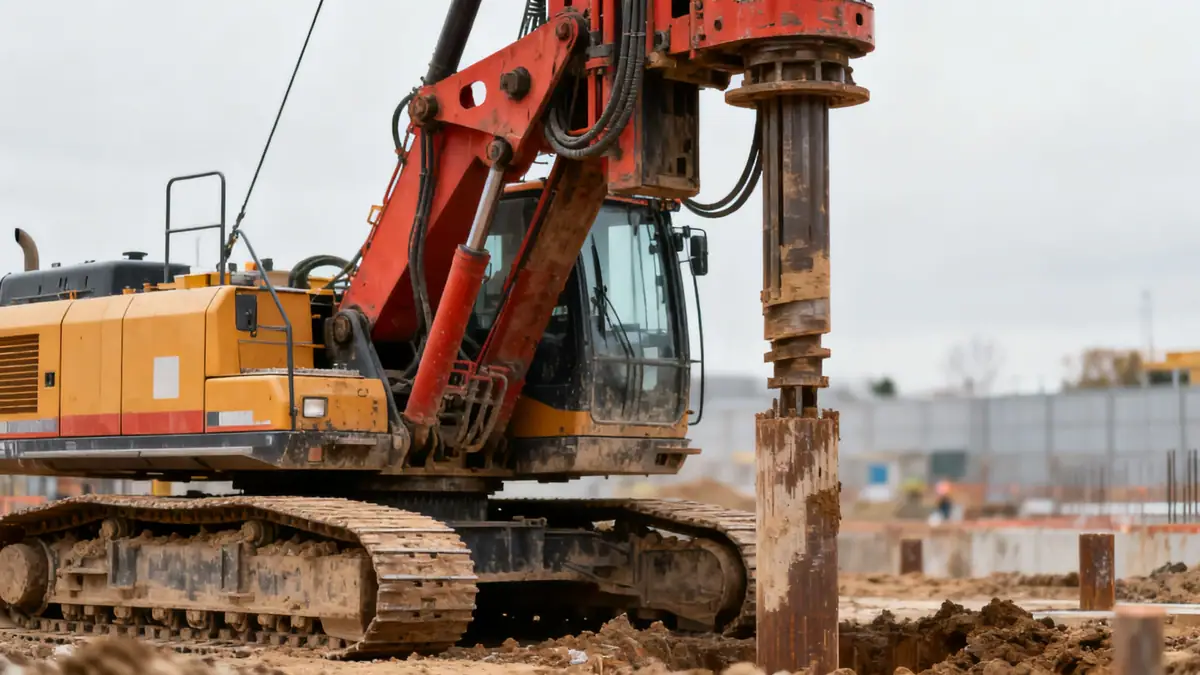
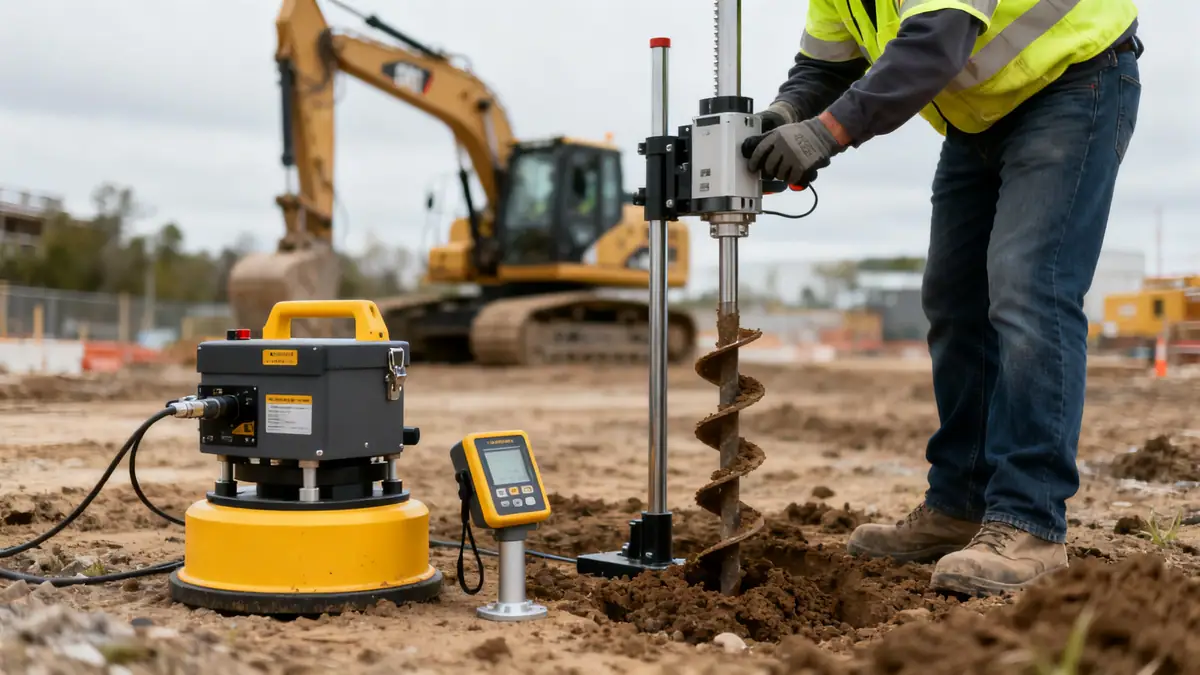
Our methodology for soil mechanics laboratory in Birmingham Alabama integrates field exploration with advanced laboratory testing. Field programs typically include Standard Penetration Tests (SPT) per ASTM D1586 at 1.5 m intervals to depths of 15–30 m, supplemented by undisturbed sampling for critical layers. Laboratory analyses, conducted in our accredited facility, encompass index properties, strength, and consolidation parameters. We emphasize correlation of field and lab data to develop site-specific geotechnical models. For a detailed overview of our approach, visit our soil mechanics laboratory page.
Reference Technical Parameters
| Parameter | Reference Value |
|---|---|
| Predominant soil type | Residual clay/silt over limestone residuum (Paleosol), alluvial sand/clay in valleys |
| Maximum seismic acceleration (PGA) | 0.15–0.20 g (ASCE 7-16, Site Class C–D) |
| Typical groundwater level | 2–6 m below grade in valley fills; >10 m on ridges |
| Bedrock depth | 0–5 m on ridges (limestone); 10–30 m in valleys |
| Typical N60 range (SPT) | 5–15 blows/ft in soft clay; 20–50 in residual clay/silt |
Local Considerations — Birmingham Alabama
Birmingham Alabama's geology is dominated by the Appalachian Plateau, with Paleozoic limestone and dolomite forming ridges and valleys. Residual soils, often expansive, overlay karstic limestone, posing risks of sinkholes and differential settlement. Seismic hazard is moderate (PGA 0.15–0.20 g per ASCE 7-16), requiring site-specific response spectra. Contrasts between downtown's deep alluvial fill and suburban ridge developments necessitate tailored investigation depths. Our team coordinates with local authorities to ensure compliance with Alabama Building Code standards. For complementary services, see our granulometry & atterberg analysis page.
Request a Quote
Our team reviews your project and issues an initial report at no cost.
Or write us directly at [email protected]
Services in Birmingham Alabama
Applicable Standards
- ASTM D1586 (Standard Penetration Test)
- ASCE 7-16 (Minimum Design Loads for Buildings and Other Structures)
- Alabama Building Code (based on IBC 2018)
- ASTM D2487 (Unified Soil Classification System)
Frequently Asked Questions
What soil types are commonly found in Birmingham Alabama?
Birmingham Alabama features residual clays and silts derived from limestone weathering, along with alluvial sands and clays in river valleys. Expansive soils are common, requiring careful evaluation of shrink-swell potential for foundation design.
Is seismic analysis required for projects in Birmingham Alabama?
Yes, per ASCE 7-16 and the Alabama Building Code, seismic analysis is mandatory for most structures. Birmingham Alabama falls in Seismic Design Category B to C, with PGA values of 0.15–0.20 g, necessitating site-specific response spectra.
Are soil mechanics studies mandatory for construction in Birmingham Alabama?
While not always legally required for all projects, most local jurisdictions and lenders mandate geotechnical investigations for new construction, especially in areas with expansive soils or karst topography, to mitigate foundation risks.