Methodology
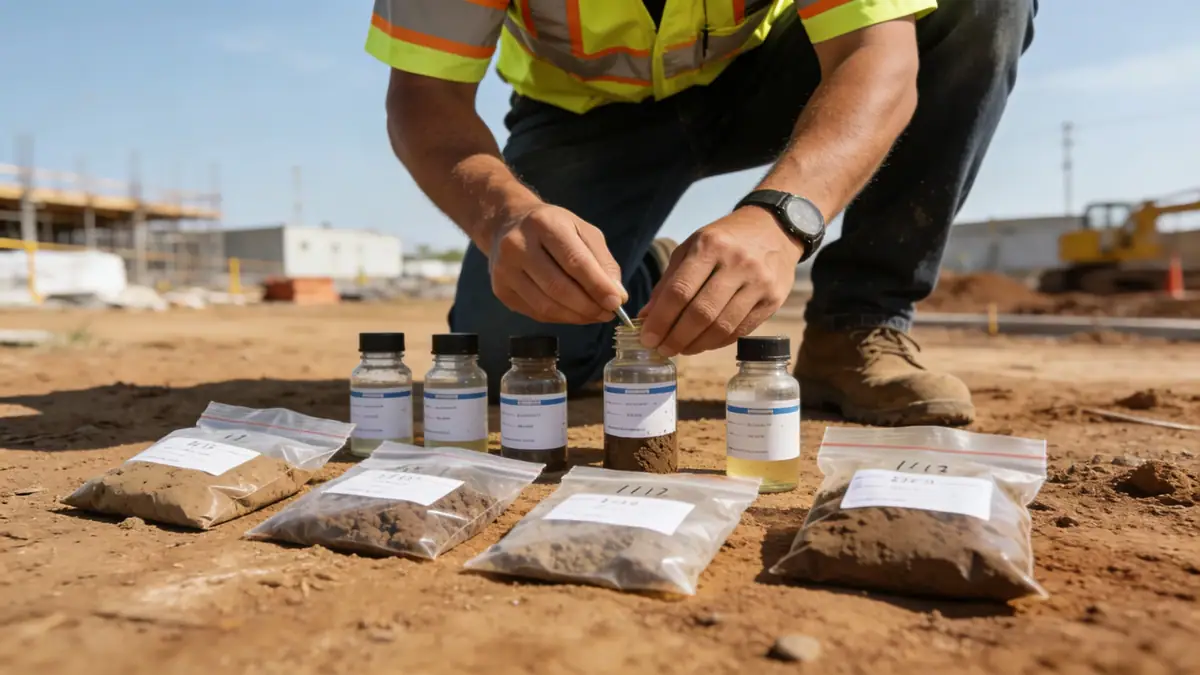
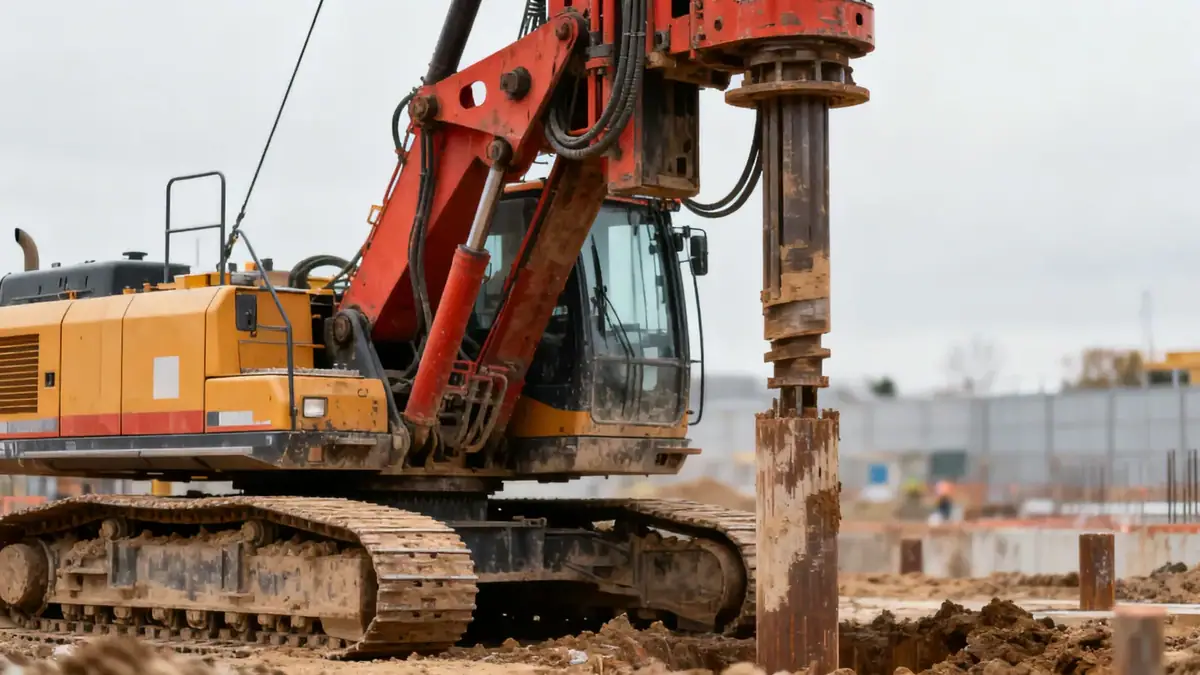
Our approach to soil mechanics laboratory testing in Baltimore follows standardized procedures to ensure reliability and repeatability. For each project, we collect undisturbed and disturbed samples according to ASTM D1586 for Standard Penetration Testing. Our soil mechanics laboratory handles sample preparation, moisture content determination, and classification. We then perform appropriate tests based on soil type and project needs, including grain size analysis, Atterberg limits, and compaction testing. All results are reviewed by our engineering team and reported with clear interpretation for foundation design.
Reference Technical Parameters
| Parameter | Reference Value |
|---|---|
| Predominant soil type | Silty sand (SM) and sandy silt (ML) over residual saprolite |
| Maximum seismic acceleration (PGA) | 0.18g (ASCE 7-16, Site Class C) |
| Typical groundwater level | 3–8 m below ground surface (variable with season) |
| Bedrock depth | 15–30 m in downtown; shallower (<10 m) in northern areas |
| Typical N60 range (SPT) | 5–15 blows/ft in fill; 20–40 blows/ft in residual soils |
Local Considerations — Baltimore
Baltimore's geology is shaped by the Fall Line, where Coastal Plain sediments meet Piedmont crystalline rocks. Downtown and harbor areas often feature deep fill (up to 6 m) over soft estuarine clays and silts, requiring careful bearing capacity evaluation. In northern and western neighborhoods, residual soils from weathered schist and gneiss dominate, with shallow bedrock. Seismic site classification per ASCE 7 typically ranges from Site Class C to D. Our team regularly performs granulometry & atterberg testing to classify these variable soils. For projects near the Inner Harbor, groundwater control and settlement analysis are critical. We also collaborate with soil mechanics laboratory en Philadelphia for regional consistency.
Request a Quote
Our team reviews your project and issues an initial report at no cost.
Or write us directly at [email protected]
Services in Baltimore
Applicable Standards
- ASTM D1586
- ASCE 7-16
- ASTM D2487
- ASTM D698
- Baltimore City Building Code (IBC 2018 based)
Frequently Asked Questions
What types of soil are commonly found in Baltimore?
Baltimore's soils vary widely: urban fill and estuarine deposits near the harbor, and residual silty sands and clays from weathered Piedmont rocks inland. Ground conditions can change significantly within a few blocks.
Are seismic considerations important for soil testing in Baltimore?
Yes. Baltimore is in Seismic Design Category B per ASCE 7-16, with a PGA of 0.18g. Site-specific soil amplification must be evaluated for critical structures, especially on soft soils near the harbor.
Is geotechnical laboratory testing required for all construction in Baltimore?
The Baltimore City Building Code requires a geotechnical report for most new buildings and major renovations. Laboratory testing of soil samples is a key component to determine bearing capacity, settlement, and compaction requirements.